


Behringer C2 Mic Buying guide
Behringer C2 Mic: A Complete Buyer's Guide
Selecting the right small diaphragm condenser requires understanding specifications and applications. This guide helps you evaluate the Behringer C2 mic to determine if it fits your recording needs and budget.
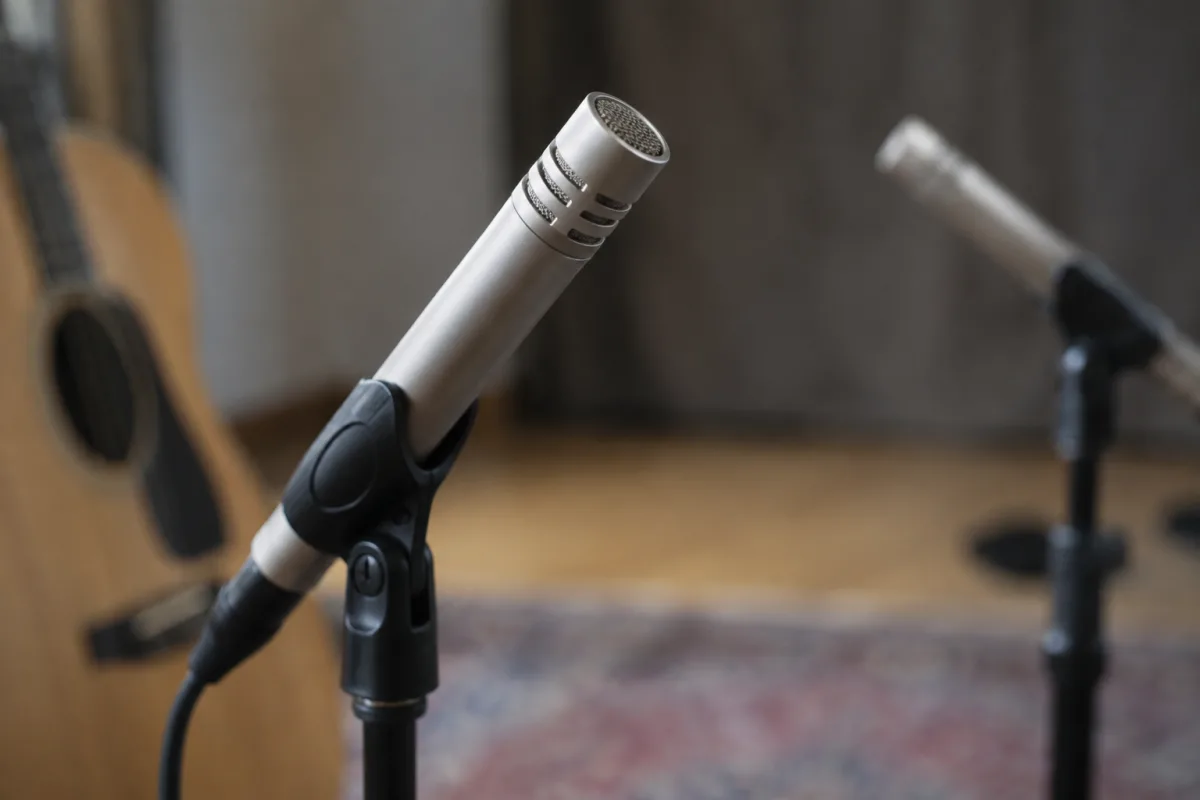
The Behringer C2 mic represents exceptional value in small diaphragm condenser microphones, making it a popular choice for studio owners watching their budget. Whether you're recording acoustic instruments, drum overheads, or room ambience, understanding what to evaluate before buying ensures you get the right tool for your setup. This guide cuts through marketing claims to show you what actually matters when purchasing a Behringer C2 mic.
Why the Behringer C2 Mic Matters in Home Studios
Small diaphragm condensers like the Behringer C2 mic excel at capturing detail and articulation that larger diaphragm mics miss. They're workhorse microphones in professional studios, used on hi-hats, cymbals, acoustic guitar, piano, and overhead positions. Unlike large diaphragm dynamics, a Behringer C2 mic needs no batteries or phantom power complications—it's straightforward and reliable. Before committing to purchase, ask whether you actually need a small diaphragm condenser or whether a large diaphragm dynamic would better suit your immediate recording needs.
Key Specifications When Evaluating a Behringer C2 Mic
Understanding the technical details helps you assess whether a Behringer C2 mic fits your work. Focus on these specifications during evaluation:
Frequency Response and Polar Pattern
The Behringer C2 mic features a cardioid polar pattern, rejecting sound from the rear and sides. This matters because cardioid pickups work well for isolation but miss ambient room colour. Check the specified frequency response—the C2 typically ranges 20Hz to 20kHz, though the presence peak around 4-5kHz colours the tone slightly towards brightness. This brightness suits cymbals and acoustic guitar; some find it less flattering for vocals or soft instruments.
Sensitivity and Maximum SPL
Sensitivity tells you how loud the output gets for a given input level. The Behringer C2 mic's sensitivity affects how much preamp gain you need. Higher sensitivity means quieter preamps can still achieve healthy signal levels. Maximum SPL (sound pressure level) matters if you're recording loud sources like drums or amplifiers. The C2 typically handles 130dB SPL, adequate for most studio applications. If you're recording extremely loud sources, check this spec closely.
Impedance and Connectivity
All condensers require phantom power (typically 48V) supplied through your mixer or audio interface. Make absolutely certain your recording setup provides phantom power before purchasing—without it, a Behringer C2 mic won't work at all. The mic connects via standard XLR connectors. Check your cables and interface compatibility before buying.
Build Quality and Durability
The Behringer C2 mic uses a metal body with die-cast construction, not fragile plastic. Inspect physical condition carefully if buying used—dented casings rarely affect sound, but internal damage does. Check that the capsule isn't damaged and the diaphragm moves freely when you gently tap the microphone. Used Behringer C2 mics often sell at significant discount, but ensure the seller hasn't damaged the internal components.
Specifications Comparison Table
| Specification | Detail | What It Means for Your Purchase |
|---|---|---|
| Polar Pattern | Cardioid (tight rejection pattern) | Good isolation from unwanted room sound; less ambient capture than omnidirectional mics. |
| Frequency Response | 20Hz–20kHz with 4-5kHz presence peak | Bright, detailed sound. Excellent for cymbals, acoustic guitar, bright instruments. May emphasise harshness on some sources. |
| Sensitivity | Approximately -38dBV/Pa | Mid-range sensitivity. Requires decent preamp to achieve clean signal. Standard for condensers at this price point. |
| Maximum SPL | 130dB (1% THD) | Handles loud acoustic instruments and amplifier cabinets without distortion. Adequate for most studio work. |
| Impedance | 200 Ohms (nominal) | Standard low impedance. Compatible with all professional audio interfaces and mixers. |
Common Pitfalls When Buying a Behringer C2 Mic
Avoid these mistakes when purchasing:
- Forgetting phantom power requirements: Many beginners buy condensers without checking whether their interface provides 48V phantom power. Confirm this before purchasing a Behringer C2 mic.
- Assuming one mic does everything: The Behringer C2 mic excels on particular sources (cymbals, acoustic guitar, overhead positions). It's not ideal for close-miking vocals or drum kick. Clarify your recording goals before buying.
- Overlooking cable quality: Cheap XLR cables introduce noise and interference. Budget £10-20 for quality cables when purchasing your Behringer C2 mic.
- Buying without preamp considerations: The Behringer C2 mic needs a decent preamp with enough gain. Low-end audio interfaces sometimes struggle. Test compatibility if possible before committing.
- Assuming lower cost means lower quality: Behringer's pricing is competitive but the C2 performs comparably to mics costing three times more. Don't discount it based on brand alone.
Price Tiers and Value Assessment
A new Behringer C2 mic typically costs £30-50. Used examples sell for £15-35 depending on condition. For comparison, other small diaphragm condensers from established brands cost £100-300. The Behringer C2 mic's value lies in its reasonable cost while maintaining solid performance. Budget additional funds for cables (£10-20) and potentially a shock mount (£15-30) to reduce handling noise. Total investment for a complete Behringer C2 mic setup runs £55-100.
Deciding Between New and Used
Used Behringer C2 mics often perform identically to new units since condensers don't experience the mechanical wear that affects dynamic microphones. Inspect used units carefully—look for dents, corrosion, or visible internal damage. Test the microphone if possible by listening for crackling, noise, or distortion. Warranty implications differ: new units from retailers typically include 1-2 year warranty; used purchases have no warranty. The risk reward often favours buying used if you find a well-maintained example at significant discount.
Practical Testing Considerations
Before purchasing, think about your specific applications. Will the Behringer C2 mic's presence peak enhance or detract from your primary recording source? Would you benefit from multiple units for stereo overhead recording? Do you have adequate preamp gain and phantom power? Consider purchasing one unit initially to test in your setup before buying additional mics. This approach costs slightly more in the short term but prevents buyer's remorse when you discover the mic doesn't suit your work.
For more foundational understanding of the Behringer C2 mic and its characteristics, see our complete guide to the Behringer C2 mic. That resource covers the microphone's history, technical background, and applications in greater depth.
Making Your Purchase Decision
The Behringer C2 mic represents genuine value for small diaphragm condenser recording. Confirm you have phantom power, cables, and a decent preamp before purchasing. Start with one unit to test in your setup, then expand if the results justify it. Watch online demos showing the Behringer C2 mic on various sources—cymbals, acoustic guitar, overhead ambience—to hear whether its tonal character appeals to you. Make your purchase from reputable retailers offering return periods so you can evaluate the microphone in your own studio setup before committing permanently.


Comments