


Amplifier Behringer article
Amplifier Behringer for Beginners: A Complete Guide
Behringer amplifiers are the budget-friendly choice for beginners learning keyboard or piano. This guide shows why they work, how to set one up, and what to expect from your first amplifier.
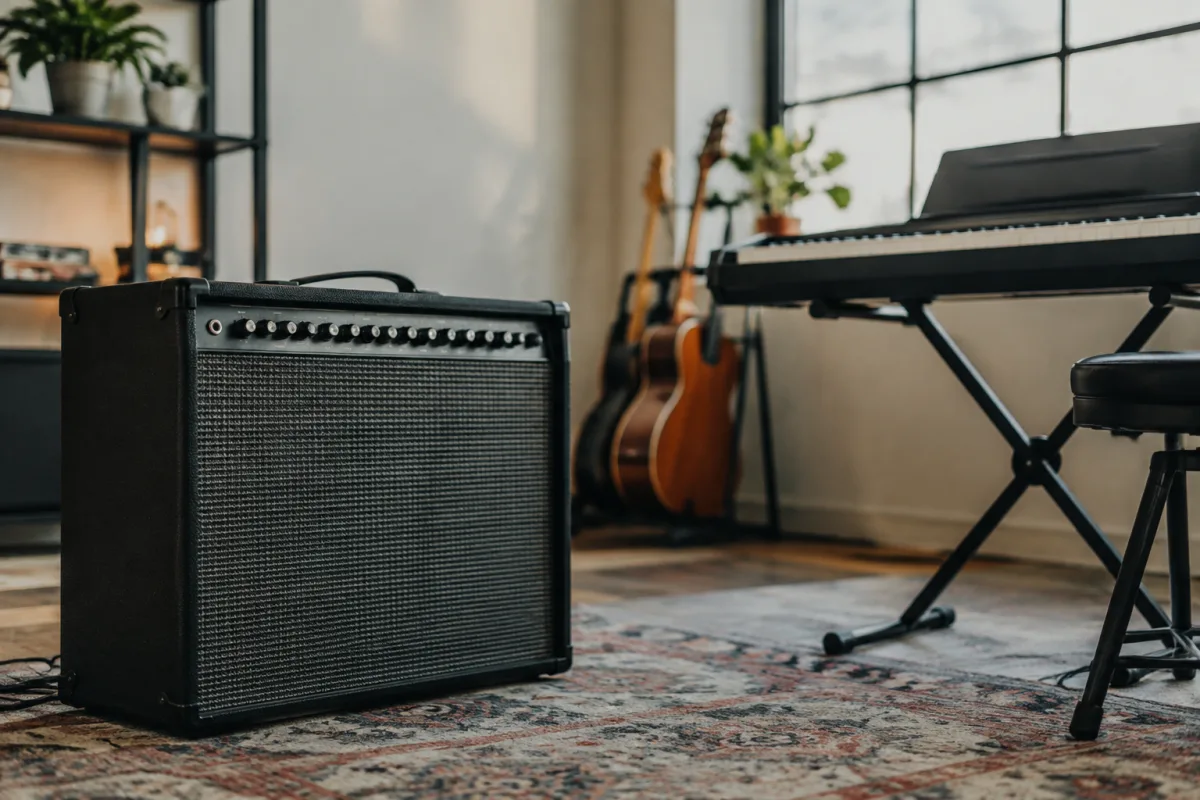
If you're a beginner looking to amplify your keyboard or piano but don't want to spend a fortune, a Behringer amplifier might be exactly what you need. Behringer has built a reputation for delivering solid performance at budget-friendly prices, making it the sensible choice for musicians just starting out. This guide explains why Behringer amplifiers work so well for beginners, how to choose the right one, and how to get the most from it without any fuss.
Why Behringer Makes Sense for Beginners
When you're learning to play and starting to perform, investing in expensive professional gear feels risky. What if you decide the keyboard isn't for you? What if you need something different later? Behringer solves this perfectly. Their amplifiers cost a fraction of what you'd pay for a premium brand, but they don't compromise on the essentials: solid sound, reliability, and straightforward setup.
Behringer's track record speaks for itself. Musicians worldwide rely on their gear for rehearsals, small venues, and home use. You're not experimenting with an unknown brand—you're choosing something proven and trusted by thousands of working musicians.
Choosing Your First Behringer Amplifier
Behringer offers several amplifier models, but the choice comes down to one simple question: how loud do you need to be?
- 20-30W models—Perfect for bedroom practice or small rehearsals. Loud enough to hear yourself clearly, but not overwhelming in a small space.
- 40-60W models—Good for medium-sized venues, band rehearsals, or confident home players. Handles most gigging situations with ease.
- 100W+ models—Overkill for most beginners. Reserved for large venues or professional touring musicians.
Start conservatively. A 30W Behringer amplifier is genuinely adequate for almost everything a beginner encounters. You can always upgrade later if you find yourself needing more power in a year or two.
What You'll Love About Behringer Amplifiers
Behringer amplifiers are designed for straightforward use. No hidden menus or confusing features get in your way. Here's what makes them beginner-friendly:
- Clear, simple controls. Volume, tone, maybe an input level control—nothing more complicated than that. You'll understand what every knob does within seconds.
- Multiple inputs. Most Behringer keyboard amplifiers have both 1/4-inch and RCA inputs, so they work with keyboards, mixers, and portable devices alike.
- Built-in speakers. No need to buy separate speakers or cabinets. You're ready to play the moment you plug in.
- Lightweight and portable. Behringer amps typically weigh between 10 and 20 kilograms—easily moved by one person. That matters when you're gigging at different venues.
- Solid reliability. Behringer equipment consistently outlasts expectations. Hundreds of reviews from working musicians confirm this.
Setting Up Your Behringer Amplifier (It's Simple)
Here's everything you need to know to get sound out of your Behringer amplifier:
- Plug the mains cable into the back of the amp and into a power outlet.
- Connect your keyboard to one of the audio inputs using the appropriate cable (1/4-inch or RCA).
- Switch on the amplifier.
- Turn the volume up slowly until you hear sound from the speakers.
- Adjust the tone controls if you want—brighter or warmer—but honestly, the default settings sound good.
- Play.
That's it. No software installation, no configuration menu, no mystery. Your Behringer amplifier works immediately.
Common Beginner Worries About Behringer Amplifiers
Here's what nervous beginners often fret about, and why it's not actually a problem:
- "It's cheap, so it must be poor quality." Behringer's budget pricing comes from efficient manufacturing and distribution, not corner-cutting. Professional musicians rely on Behringer gear. Budget does not mean inferior.
- "The sound won't be professional enough." A well-adjusted Behringer amplifier sounds genuinely professional for a keyboard. Whether you're playing jazz, pop or classical, it captures your instrument faithfully.
- "It'll distort or crackle." No. Behringer amplifiers are engineered for clean amplification across their volume range. You have to really push them to break up, and even then it's a controlled overdrive, not a broken amp.
- "I'll outgrow it too quickly." Beginners vastly overestimate how much power they need. A 30W Behringer will still be useful in five years—perhaps as a backup, or in your bedroom, or for a smaller venue. You won't waste money.
- "It needs special maintenance or tuning." No maintenance required. It works out of the box and continues working. Honestly, that's one of the great appeals of Behringer gear.
Getting the Most From Your Behringer Amplifier
Once you've got one, here are a few tips to keep things sounding great:
- Use decent audio cables (not super expensive, but not the cheapest either)—they reduce noise and signal loss.
- Avoid turning the volume all the way up constantly; it wears out the amp unnecessarily. Leave headroom.
- If you're performing in a large venue, a Behringer amplifier works beautifully as a stage monitor (so you can hear yourself), with the main PA system handling the room sound.
- Experiment with the tone controls once you're comfortable, but there's no need to fiddle constantly. Settle on a sound you like and leave it.
Moving Forward With Confidence
A Behringer amplifier isn't a permanent choice—it's a smart beginning. You'll learn what you actually want from amplification by using one for a year or two. If you discover you need something different, you'll sell it easily and move on. But honestly? Many beginners stick with their Behringer amplifier well into their gigging careers because it does the job reliably and inexpensively.
The Bottom Line
Choosing a Behringer amplifier as a beginner is choosing practicality over fashion, reliability over trend chasing, and affordability over prestige. It's genuinely the right call. Plug it in, play music, and let your keyboard be heard. That's all you need to do.
FAQ
This FAQ section will be generated and appended by the publishing system.


Comments