


Amplifier Behringer Buying guide
Amplifier Behringer: A Complete Buyer's Guide
Choosing a Behringer amplifier doesn't have to be complicated. This buying guide covers wattage, speaker size, effects and price tiers so you can pick the perfect amp for your venue and budget.
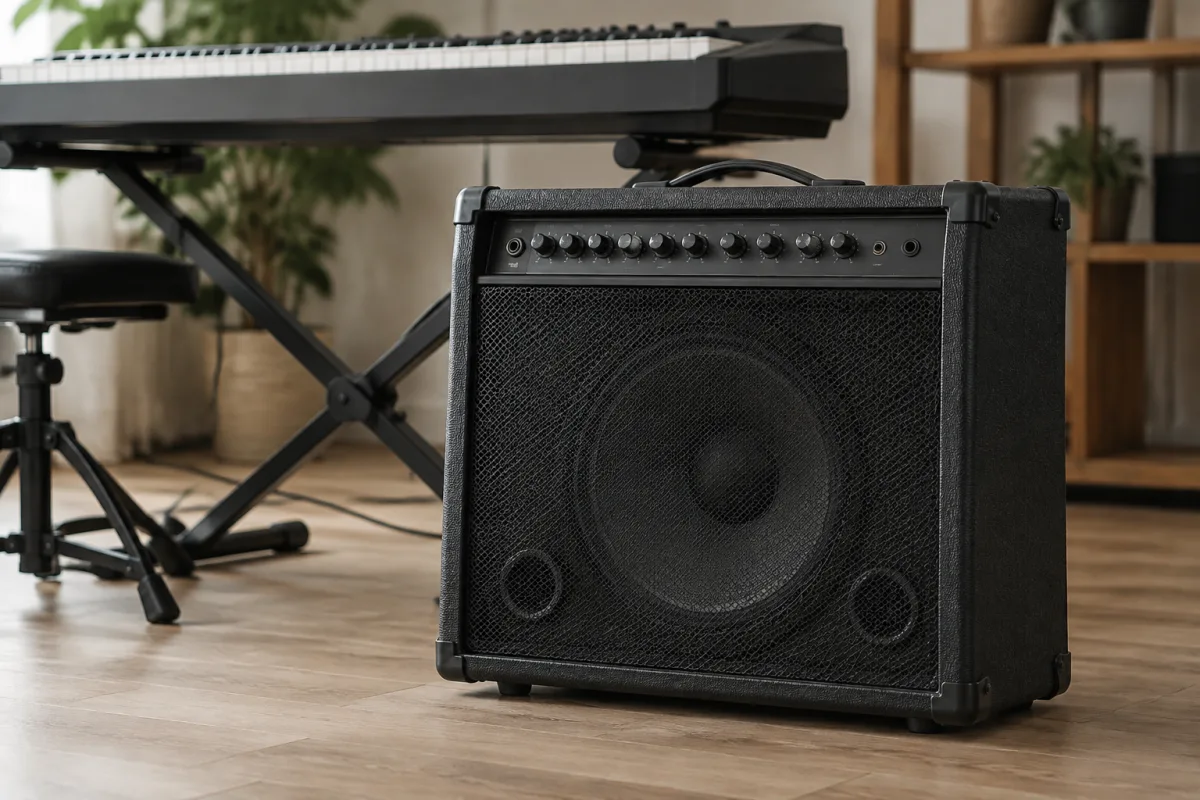
Buying a Behringer amplifier for keyboard or piano can feel like walking into a minefield of specifications and jargon. Behringer's range is broad, their prices are excellent, but their model names can be confusing if you don't know what to look for. This guide cuts through that noise and tells you exactly which specs matter when choosing a Behringer amplifier, what to avoid, and which price tier makes sense for your needs and venue size.
The First Question: Wattage and Venue Size
More watts doesn't always mean "better"—it means "louder." Here's what matters:
- Bedroom or small practice room (20–30 watts): A Behringer K450FX or similar entry-level amp is plenty. Lightweight, affordable (£80–150), and neighbours will appreciate it.
- Rehearsal studio or small gig (60–120 watts): Step up to a mid-range Behringer like the Ultrabass BXD3000 or keyboard models like the K900FX. These fill a rehearsal room without deafening you.
- Small venue or larger band gig (200+ watts): Go for Behringer's professional-grade amplifiers. They cost more but deliver stage volume reliably.
A useful rule: start conservatively. A 30-watt amp at full volume can sound surprisingly loud in a room. You'd rather have too little power than too much and spend the money on speakers or effects instead.
The Specs That Actually Matter When Buying
Don't get lost in the marketing blurb. Focus on these five things:
- Speaker size (measured in inches): Larger speakers (12–15 inches) move more air and sound fuller. Smaller speakers (8–10 inches) are lighter and work fine for practice. Behringer's mid-range amps usually have 12-inch speakers—a sweet spot for versatility.
- Built-in effects: Most Behringer amplifiers include reverb, chorus and sometimes delay. These genuinely improve your tone without buying pedals. Make sure the amp has effects you'll actually use (reverb is almost always worth it).
- Connectivity: Look for XLR inputs (for microphones), quarter-inch inputs (for keyboards and instruments), and USB or Bluetooth if you play backing tracks or stream. Behringer's mid-range models usually have these.
- Portability: Does it have handles? Can you lift it alone? If you're hauling it to rehearsals, weight and size matter more than if it stays in one room. Behringer's lightweight designs are genuinely practical.
- Amp type (transistor vs. valve): Behringer's budget range is mostly solid-state transistor amps, which is fine—they're reliable and sound clean. Don't pay extra for "valve warmth" unless you've tried both and prefer it.
Common Buying Mistakes With Behringer Amplifiers
Learn from others' stumbles before you commit:
- Buying too much wattage: A 300-watt Behringer amp sounds impressive in the shop but sits at home impossible to use. A 60–120-watt model covers 90% of scenarios and gives you money to spend on a better keyboard or effects.
- Ignoring speaker quality: Behringer's entry-level amps sometimes skimp on speaker quality to hit a price point. Listen to a demo or read reviews; if the speaker sounds thin or muddy, step up one tier. A few quid more for a better speaker is worth it.
- Assuming built-in effects are "good enough": They're not. Behringer's built-in reverb and chorus are functional and useful, but they're not a substitute for quality pedals if you care about tone. Treat them as convenient additions, not premium features.
- Not checking your venue's power supply: Some Behringer professional amps need a dedicated mains supply. If you're playing gigs, confirm the venue has the right outlet and power capacity. It's rare but worth checking.
- Buying without trying it first: Behringer's voicing (how the amp shapes your tone) is different from other brands. Some people love it; others find it thin or boxy. Try one before buying if possible, or buy from a shop with a return policy.
Price Tiers and What You Get at Each Level
Behringer's pricing is transparent, but here's where your money goes:
- £50–100 (entry-level, 20–30 watts): Basic solid-state amp, small speaker, essential effects. Perfect for learning or practising alone. Don't expect stage volume or studio-quality tone.
- £100–250 (mid-range, 60–120 watts): Better speaker quality, more effects, solid build, handles rehearsals and small gigs. Best value for most players.
- £250–600 (professional-grade, 200+ watts): Stage-ready power, professional effects suite, robust construction, professional connectivity. For serious gigging musicians.
The mid-range (£100–250) is Behringer's sweet spot. You're not overpaying for features you don't need, and you're not compromising on quality.
Behringer Amplifiers vs. Other Budget Brands
Behringer isn't the only affordable option, but here's why they're worth considering:
- Behringer: Wide range, good effects, reliable solid-state amps, excellent warranty support. Sometimes voicing feels thin to experienced players.
- Roland Cube: Slightly more expensive but highly respected. More "character" in the tone. If budget allows, Roland is worth comparing.
- Fender Rumour: Premium pricing but excellent sound. Best if you want tone to match a higher-end instrument.
For value, Behringer wins. For tone, it depends on your preference and budget. Listen to demos online and decide.
Your Buying Checklist
Before you buy a Behringer amplifier, confirm all of these:
- Can you afford the wattage you need without overpaying?
- Is the speaker size right for your venue (8 inches for small rooms, 12+ inches for larger spaces)?
- Does it have the effects and connectivity you'll actually use?
- Can you test it first, or does the shop have a return policy?
- Is the warranty adequate (Behringer typically offers 3 years)?
- Have you checked user reviews on Reddit or YouTube for that specific model?
If you tick all six boxes, you're ready to buy with confidence.
Next Steps: Making the Most of Your Purchase
Once you've chosen your Behringer amplifier, consider adding a quality effects pedal or two, a better instrument cable, and a keyboard stand if you're serious about playing. For a comprehensive look at Behringer amplifiers, their full range of models and advanced setup techniques, see the complete guide to Behringer amplifiers.
A Behringer amplifier is a solid investment for any keyboardist or pianist on a budget. Trust the research, trust your ears, and you'll find exactly what you need.


Comments