


Beginner Keyboard article
Common Beginner Keyboard Mistakes to Avoid
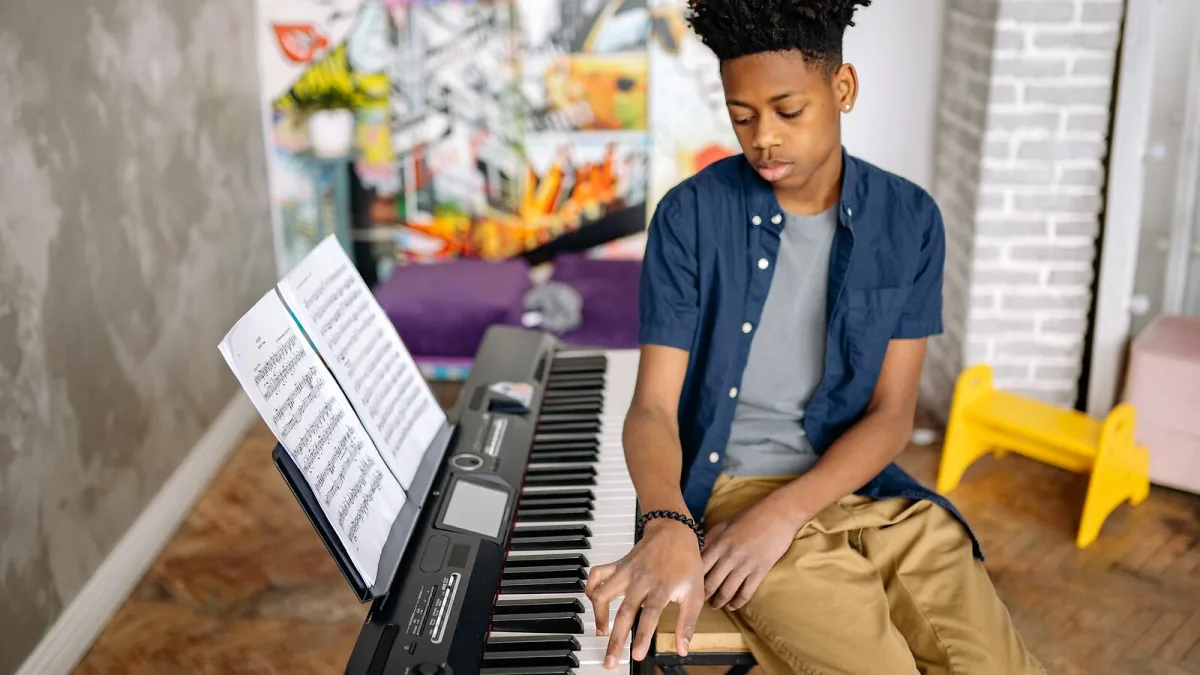
Common Beginner Keyboard Mistakes to Avoid
I've watched hundreds of people sit down at a beginner keyboard for the first time. Most of them make the same few mistakes. Not big mistakes—nothing that will ruin their musical journey. Just small inefficiencies that slow progress or make learning feel more frustrating than it needs to be. If you know what these traps are before you fall into them, you'll learn faster, stay motivated longer, and actually enjoy your time at the keyboard instead of battling confusion. Here are the mistakes I see most often, and more importantly, how to avoid them.
Mistake One: Starting Too Fast
The most common mistake beginners make is trying to learn too much at once. You buy a keyboard, you're excited, and suddenly you're trying to learn three pieces simultaneously, you're jumping between different exercises, and you're watching videos about advanced techniques. A week later you're confused and frustrated because nothing feels secure.
Here's what actually works: pick one simple piece. Learn it properly. Spend a week on just that piece. Play it slowly. Make sure every note is clear. Once you can play it confidently without thinking, you move to the next piece. This methodical approach builds real skills and feels like progress. Fast jumping around creates the illusion of learning without the substance.
Slow practise is where learning actually happens. Playing a piece at half the intended tempo might feel pointless, but that's where muscle memory forms, where your brain processes the pattern, and where mistakes get fixed. Speed comes later, automatically, as you repeat the slow practise.
Mistake Two: Neglecting Hand Position
Watch someone who's never played keyboard pick one up. Usually their hands are either cramped and tense or floppy and loose. Neither works. Proper hand position is gently curved—imagine you're holding a small apple in your palm. Your fingers should be relaxed but ready, wrist straight, shoulders relaxed. This position lets your fingers move independently and prevents repetitive strain.
Spending five minutes establishing proper hand position before you start practising saves you months of fighting bad habits later. It's genuinely worth doing right from the start. Watch good pianists play and you'll notice their hands are always in this relaxed, curved position. That's not accidental—that's trained habit developed from day one.
Mistake Three: Practising Without a Clear Goal
Sitting at a keyboard and noodling around is lovely, but it's not practise. Real practise has a goal. Maybe the goal is "learn this section of a piece." Maybe it's "be able to play this scale smoothly." Maybe it's "find all the C notes on the keyboard with your eyes closed." Whatever the goal, you're working toward something specific.
Without a goal, you'll repeat the same mistakes without noticing. With a goal, every attempt teaches you something. You notice when you play something correctly. You identify what's holding you back. You make adjustments. That's how learning happens. Set a five-minute timer, decide what you're working on, and focus entirely on that one thing.
Mistake Four: Ignoring Your Posture
Slouching at a keyboard feels comfortable in the moment. Your back hunches, your shoulders creep up toward your ears, your wrists bend at odd angles. Over weeks and months, this creates tension and eventually pain. Good posture feels slightly strange at first because you're used to slouching. But good posture is where efficient, pain-free playing lives.
Sit with your back straight, shoulders relaxed and back, feet flat on the floor (or footrest if you're short), and your keyboard at a height where your elbows bend at roughly 90 degrees. This posture feels a bit upright at first. Stick with it for a week and it becomes normal. Ignore posture and you'll develop habits that take years to fix.
Mistake Five: Trying to Read Music Before You Know the Keyboard
Some beginners look at sheet music and feel like they have to understand it instantly. They try to read notes from sheet music whilst simultaneously trying to find where those notes are on the keyboard. It's like learning to drive whilst simultaneously learning to read a map in a foreign language. It's too much.
Learn the keyboard layout first. Play simple melodies by ear. Once you know where the notes are physically, introducing sheet music becomes much easier. You already know the music—now you're just reading it. That's genuinely different from trying to decode sheet music and keyboard geography simultaneously.
Mistake Six: Irregular Practise
Thirty minutes once a week doesn't work. Fifteen minutes every single day does. Your brain and fingers learn through repetition. Irregular practise means you spend half your time remembering what you learned last week. Consistent practise means you build on what you did yesterday. Every day matters far more than hours spent once a week.
Also, cramming two hours of practise before a lesson doesn't create learning—it creates burnout. Regular, daily practise, even if it's short, creates actual progress. Aim for every day. If you miss a day, don't try to make it up with a marathon session. Just practise tomorrow.
Mistake Seven: Using Only Recorded Music as Your Guide
Listening to a recording of a piece you want to learn is helpful. But learning to play entirely by ear without understanding music structure or rhythm is inefficient. You're training your ear but not your understanding of how music works. Use sheet music alongside listening. Understand the structure. Know why notes are where they are.
The combination of listening, understanding rhythm, and reading music creates the most complete learning. Don't skip any one of these elements.
Mistake Eight: Buying Too Much Too Soon
A beginner doesn't need a £1000 keyboard. They don't need 200 sounds. They don't need every possible feature. A solid beginner keyboard with good build quality, decent sounds, and basic learning features is all you need. Buying excessive gear doesn't speed up learning—it just creates clutter and expense.
As you progress and know exactly what you want from a keyboard, then you can invest in better gear. But starting with a solid beginner model is genuinely the right choice. All the world's greatest musicians started on basic instruments. The instrument isn't the limitation—your practice is.
Learning Without These Mistakes
Avoid these eight mistakes and your beginner keyboard journey becomes genuinely smooth. Learn slowly and thoroughly. Establish good habits from the start. Practise regularly and with purpose. Understand music structure alongside reading music. Support yourself with proper posture and hand position. That's everything you need. The keyboard is ready. You just need to show up regularly and play.






Comments