


Beginner Keyboard article
Beginner Keyboard Explained: Features, Types and Tips
Beginner Keyboard Explained: Features, Types and Tips
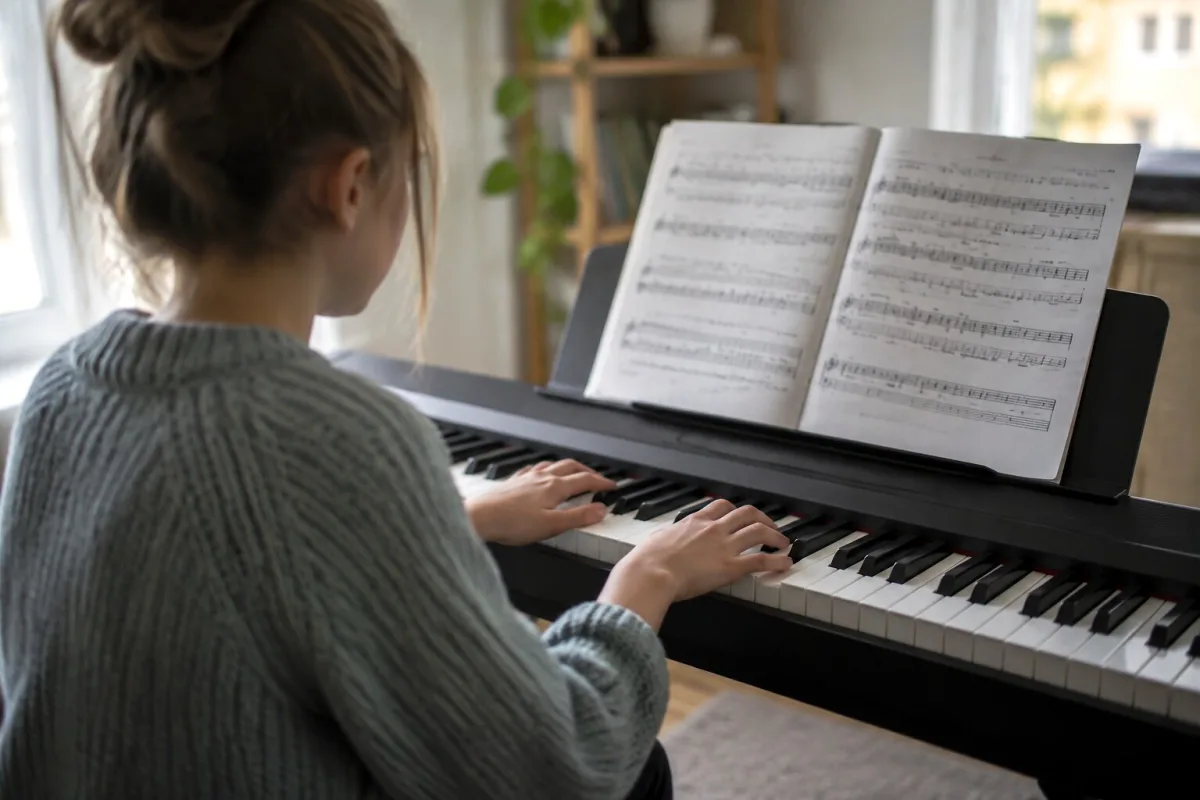
When your child asks to learn piano or when you've always wanted to play music but never found the moment until now, a beginner keyboard sits right at the intersection of curiosity and practicality. It's not a toy—keyboards can be serious instruments in the hands of someone learning—but it's also not so complicated that you'll feel defeated before you've started. A beginner keyboard is simply an electronic instrument with keys that you press to make sounds. It listens to what you play, responds immediately, and opens up the world of melody and music-making to anyone willing to have a go.
What Makes a Beginner Keyboard Beginner-Friendly
A beginner keyboard is designed with learners in mind, and that design philosophy shows throughout the instrument. The keys are full-sized (88 keys is standard, though some beginner models have 61 keys), which means you're learning on the real key size you'd find on an acoustic piano. Your hands and fingers develop muscle memory that transfers directly to a real piano if you progress. That's a genuine advantage compared to learning on something with smaller, scrunched-up keys.
The sound quality on a beginner keyboard is honest. These aren't instruments trying to fool you with fake samples or overwhelming you with unnecessary complexity. A beginner keyboard gives you a piano sound that actually sounds like a piano, a strings sound that's warm and pleasant, and perhaps a few other sounds to keep things interesting. Nothing is trying to impress; everything is trying to be useful.
Build quality matters too. A beginner keyboard is built to withstand learning—the inevitable drops, spills, and rough handling that come with a child or nervous adult learning to play. The keys respond consistently, the power supply is reliable, and the whole device feels sturdy enough that you trust it in your home, not worried it'll break if someone actually uses it properly.
Understanding Keyboard Types for Beginners
When you're looking at beginner keyboards, you're really choosing between a few straightforward options. A 61-key beginner keyboard is portable and affordable, making it brilliant for someone who's genuinely unsure whether they'll stick with music learning. A 88-key beginner keyboard gives you the full range of a piano and means your learning environment is more similar to a real piano. Most teachers recommend 88 keys because you're not retraining muscle memory later.
Weighted keys versus unweighted is another choice. Weighted keys simulate the feeling of an acoustic piano—they have resistance as you press them, which feels natural if you know piano playing. Unweighted keys are lighter and faster to respond, which some beginners find more encouraging. For someone learning piano specifically, weighted keys are worth the extra cost. For general musical exploration, unweighted is fine.
Touch sensitivity is a feature that matters more than you'd think. A sensitive beginner keyboard responds to how hard or soft you press the keys. Press gently and the sound is quiet. Press harder and it gets louder. This responsiveness means your playing is more expressive and musical, which makes learning more satisfying.
Sounds and Features That Actually Matter
A beginner keyboard includes several built-in sounds—usually around 20 to 50 different instruments you can choose from. Piano is the essential one. Strings, organ, and bell sounds cover most of what you'd want while learning. The extras (like trumpet or saxophone) are fun but not crucial. Don't get caught up choosing a keyboard based on having 200 sounds. A beginner keyboard with 30 good sounds beats one with 200 mediocre ones.
Built-in learning features are genuinely helpful for beginners. Many beginner keyboards include a piano lesson mode where the keyboard shows you which keys to press, lights them up as you play, and gives you feedback on timing and accuracy. This guided learning can build confidence and teach the basics without frustration. If you're learning without a teacher, this feature is worth having.
A drum accompaniment feature is delightful for beginners. Select a drum style and tempo, and the keyboard plays drums and bass in the background whilst you play the melody. Suddenly you're not practising scales alone; you're playing along with a band. This makes practise infinitely more rewarding and helps you understand rhythm and timing in a musical context.
Setup, Sound and Practice Space
A beginner keyboard needs almost no setup. Plug it in, turn it on, and start playing. There's no software to install, no drivers to update, no complications. You sit down and play. For someone taking their first steps in music, this simplicity is genuinely valuable. You're focusing on learning to play, not troubleshooting equipment.
Sound quality from the speakers built into most beginner keyboards is adequate for practise but not exceptional. If you're practising in a small bedroom or living room, it's fine. If you want to perform or record, or if you simply want better sound quality, adding external speakers or headphones makes a dramatic difference. A beginner keyboard with headphones is perfect—you can practise without disturbing anyone while hearing your playing clearly.
Finding space for a beginner keyboard is straightforward. A keyboard stand fits in a corner or next to a wall. You don't need a dedicated music room. A chair, a keyboard stand, and five minutes of focused practise daily is genuinely enough to build skills and develop as a musician.
Making the Most of Your Beginner Keyboard
Consistency matters more than duration. Fifteen minutes of daily practise beats three hours on Saturday. Your hands and brain need regular contact with the keys to build muscle memory and understanding. Short practise sessions keep you motivated, help you progress steadily, and make music-making feel like a normal part of your day rather than a chore.
Starting with simple pieces builds confidence. Learning "Twinkle Twinkle Little Star" or basic scales might feel less impressive than playing Chopin, but it builds the foundation that makes Chopin possible later. Every accomplished musician started with the simplest pieces. There's no shame in that—it's the right path.
A beginner keyboard is genuinely all you need to start your musical journey. It won't limit you unless you want it to. Thousands of people have learned piano well enough to enjoy it for life starting on keyboards just like this. The only limit is time and willingness to practise. Everything else—the capability, the inspiration, the pleasure—is already there.





Comments