


Arturia Vintage Collection Buying guide
Arturia Vintage Collection: A Complete Buyer's Guide
Whether upgrading your production setup or building your first DAW library, understanding what Arturia Vintage Collection offers and whether it's right for you requires careful consideration.
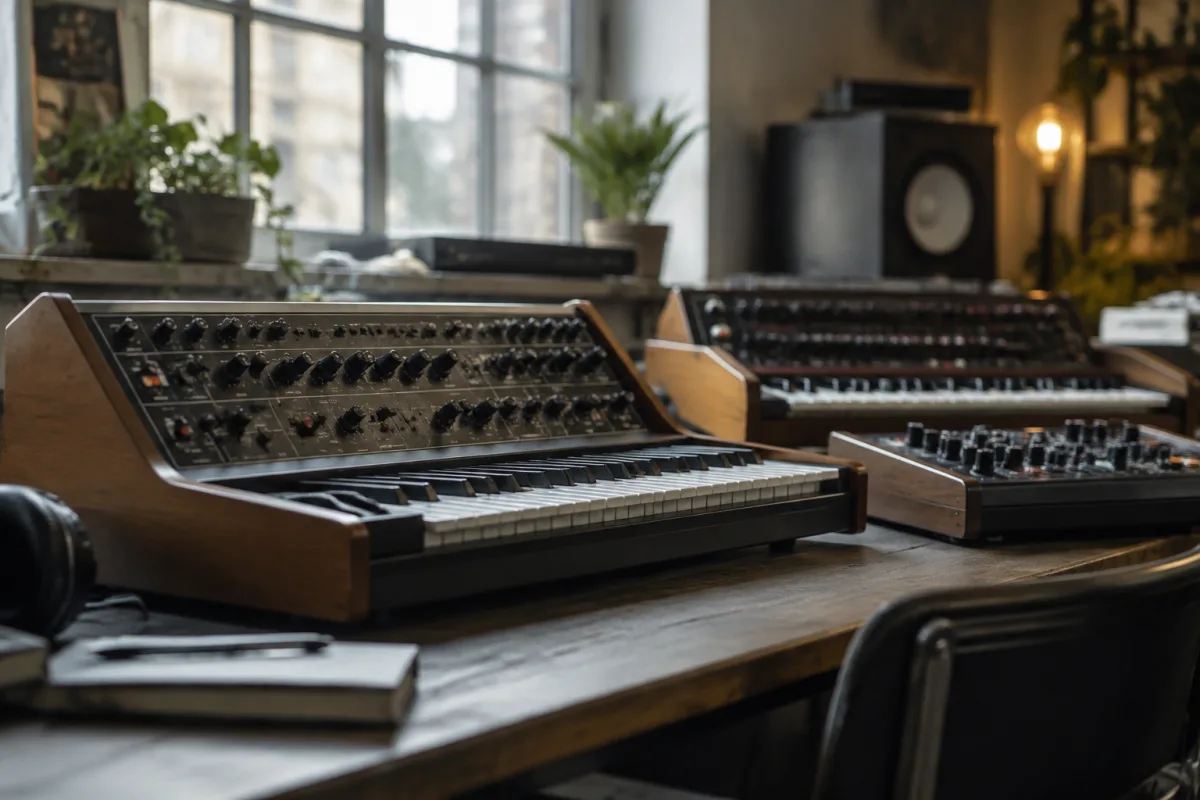
The Arturia Vintage Collection represents one of the most comprehensive emulations of classic synthesizers, keyboards, and studio equipment ever created. Whether you're upgrading your music production setup or building your first DAW instrument library, understanding what the Arturia Vintage Collection offers, what it costs, and whether it's right for your needs requires careful consideration. This buying guide walks you through every decision point.
What's Included in the Arturia Vintage Collection
The Arturia Vintage Collection bundles multiple synthesizers and keyboards into one purchase. The collection typically includes classics like the CS-80, Prophet-5, Prophet VS, ARP 2600, Minimoog, Juno-106, and Moog Modular emulations. Each instrument within the Arturia Vintage Collection represents meticulous reproduction of original hardware's circuitry and sound characteristics. This breadth makes the Arturia Vintage Collection particularly valuable for producers exploring multiple sonic territories.
Beyond individual instruments, the Arturia Vintage Collection includes comprehensive presets created by professional sound designers. These presets serve dual purposes: immediate inspiration for music-making and learning resources showing how the Arturia Vintage Collection instruments respond to different parameter settings.
Comparing Arturia Vintage Collection Purchase Options
The Arturia Vintage Collection comes in several purchase formats. Outright purchase provides permanent ownership with a single upfront cost. Arturia's subscription plan allows access to the entire Arturia Vintage Collection through a monthly fee—useful for testing before committing or for occasional users. Software licensing can also be purchased per instrument if you only want specific components from the Arturia Vintage Collection.
Analyse your usage pattern when choosing. Heavy daily users benefit most from outright Arturia Vintage Collection purchase. Trial users and hobbyists might prefer subscription access to the Arturia Vintage Collection. Building custom selections requires purchasing individual instruments from the Arturia Vintage Collection separately, which costs more overall.
Price Tiers and Value Propositions
The Arturia Vintage Collection pricing structure reflects its comprehensive nature:
- Individual instruments: Single Arturia Vintage Collection synths cost £70-90 each. Choose this option only if you want one or two specific items from the collection.
- Complete Arturia Vintage Collection bundle: The full Arturia Vintage Collection costs approximately £500-700 depending on current sales and bundles. This represents the best value per instrument.
- Subscription (Arturia Classic Sounds or Arturia Plus): Monthly access to the Arturia Vintage Collection runs £10-20 monthly. Useful for short-term exploration.
Calculate total cost-of-ownership carefully. Buying the complete Arturia Vintage Collection upfront often costs less than subscribing for several years if you'll use it regularly.
Compatibility and System Requirements
Before committing to the Arturia Vintage Collection, verify your computer meets requirements. The Arturia Vintage Collection runs on Mac and Windows, but processor power and RAM influence performance. Older computers might struggle with multiple instances of Arturia Vintage Collection instruments running simultaneously.
Check that your DAW (Digital Audio Workstation) supports the plugin format your Arturia Vintage Collection uses—VST3, AU, or AAX depending on your platform. Not all older DAWs support current Arturia Vintage Collection plugin formats, so verify compatibility before purchasing.
Sound Quality Assessment
The Arturia Vintage Collection reproduces original synthesizers with remarkable accuracy through circuit-level modelling. However, emulation is never identical to hardware. The Arturia Vintage Collection captures the character and functionality extremely well, satisfying most production needs. If you demand bit-perfect hardware recreation, use the trial version first.
Demo the specific Arturia Vintage Collection instruments you're considering. Search YouTube for comparisons between hardware originals and Arturia Vintage Collection emulations. Professional producers working with recognizable Arturia Vintage Collection sounds prove the quality is genuinely professional-grade.
Features That Matter When Buying Arturia Vintage Collection
Several features distinguish the Arturia Vintage Collection from competing emulations:
- Morphing: The Arturia Vintage Collection allows morphing between presets, creating smooth transitions unavailable on original hardware. Powerful creative tool for sound design.
- Built-in reverb and effects: Each Arturia Vintage Collection instrument includes integrated effects, reducing the need for additional processing plugins.
- MIDI and modulation support: The Arturia Vintage Collection responds fully to MIDI controllers and supports extensive modulation capabilities.
- Comprehensive preset library: The Arturia Vintage Collection ships with thousands of professionally designed sounds ready to use or customize.
- Regular updates: Arturia continuously updates the Arturia Vintage Collection, adding features and optimising performance without additional cost.
Common Buying Mistakes to Avoid
When purchasing the Arturia Vintage Collection, avoid these pitfalls:
- Buying individual instruments when bundled purchase is cheaper: Calculate total costs. The complete Arturia Vintage Collection usually offers superior value.
- Ignoring system requirements: Ensure your computer handles the Arturia Vintage Collection before purchasing. Installation and testing before committing helps prevent wasted money.
- Assuming emulation replaces hardware: The Arturia Vintage Collection is excellent, but some musicians prefer actual hardware. Decide your priorities before investing.
- Overlooking the learning curve: The Arturia Vintage Collection instruments have deep parameters. Budget time for learning, or you'll underutilise your purchase.
- Purchasing without testing: Arturia provides demo versions of Arturia Vintage Collection instruments. Always test before buying to ensure you love the sounds.
Where to Purchase the Arturia Vintage Collection
Buy the Arturia Vintage Collection directly from Arturia's official website for guaranteed legitimacy and best support. Authorised music software retailers sometimes offer discounts on the Arturia Vintage Collection, particularly during sales events. Never purchase grey-market or discounted keys from unauthorised sellers—the Arturia Vintage Collection licences may not transfer.
The Investment Case for Arturia Vintage Collection
The Arturia Vintage Collection represents a significant music production investment. However, compared to acquiring equivalent hardware synthesizers, the Arturia Vintage Collection costs a fraction whilst delivering more features. Professional producers worldwide rely on Arturia Vintage Collection instruments in released music.
For more detailed information on individual instruments and features within the Arturia Vintage Collection, see our complete guide to the Arturia Vintage Collection.
Making Your Arturia Vintage Collection Decision
The Arturia Vintage Collection suits music producers wanting classic synth sounds without hardware costs and maintenance burdens. Verify compatibility with your system and DAW, compare pricing options, and demo before committing. Your investment in the Arturia Vintage Collection will repay itself through inspiring sound design and professional results for years to come.


Comments