


E Bow Guitar article
The Complete Guide to E Bow Guitar
Discover the EBow: an electronic device creating infinite sustain and bowed string tones on electric guitar. Learn technique, effects, and creative applications.
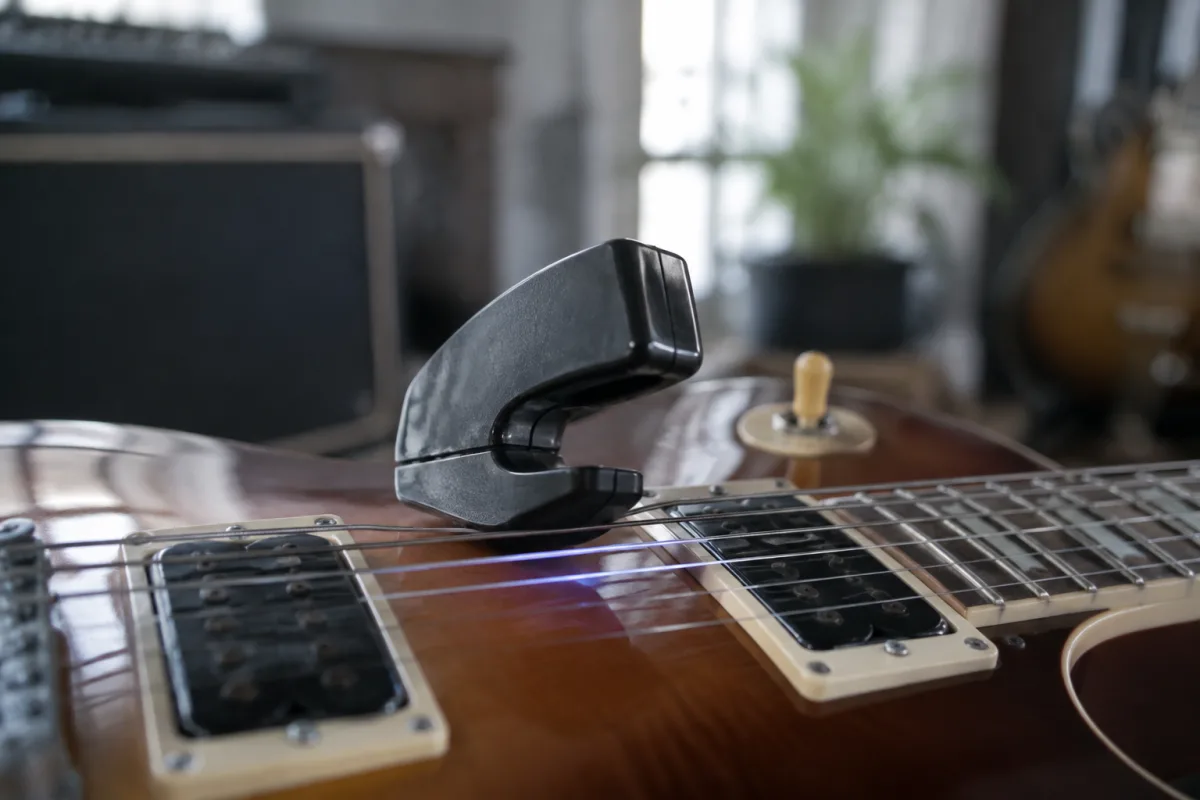
The EBow is a hand-held electronic device that allows guitarists to create infinite, bowed sustain on electric guitar—transforming the instrument into something resembling a violin or cello. For composers seeking orchestral textures, ambient musicians layering ethereal soundscapes, or rock and metal performers wanting dramatic sustaining leads, an e bow guitar setup opens sonic possibilities traditional picking cannot achieve. Understanding how to use an e bow guitar effectively expands your expressive vocabulary significantly.
What Is an E Bow?
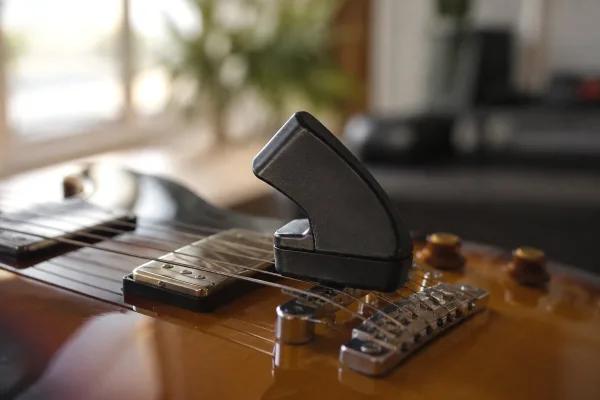
An e bow guitar device uses electromagnetic energy to vibrate a guitar string continuously, mimicking the bowing action of a violin bow. Rather than picking a string and letting it naturally decay, an e bow guitar keeps the string energised indefinitely, producing an endless, singing sustain. The user holds the e bow guitar device lightly against the vibrating string, controlling volume, tone, and intensity through pressure and position.
The e bow guitar technology was invented in the late 1970s and has been perfected over decades. Modern e bow guitar units are lightweight, responsive, and battery-powered, making them practical for both studio work and live performance.
Advantages of E Bow Guitar Playing
Infinite Sustain
The defining feature of an e bow guitar is unlimited sustain without feedback or distortion. Unlike holding a note on a conventionally played electric guitar (which naturally decays), an e bow guitar can sustain a single note for as long as you wish, allowing for dramatic, emotional expression. This is particularly powerful in ballads, ambient pieces, or instrumental passages where extended sustain creates mood.
Orchestral Textures
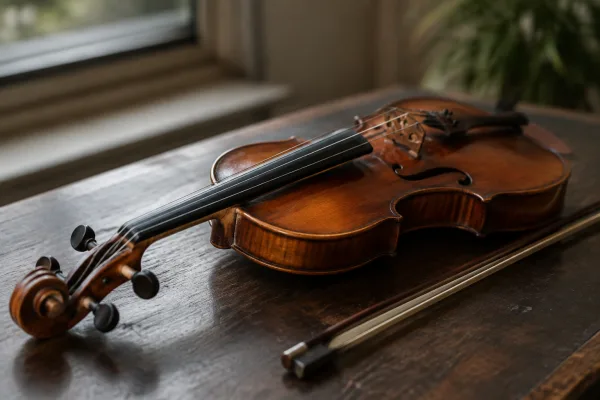
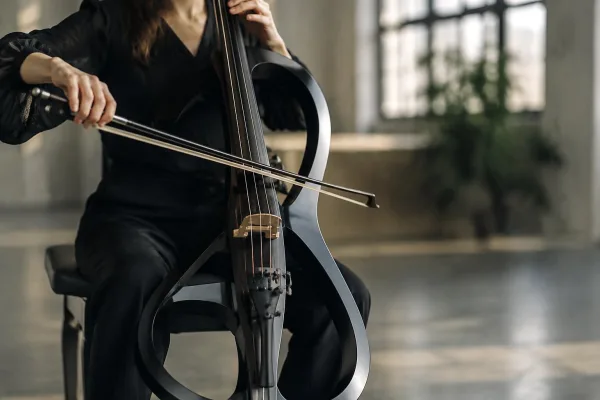
An e bow guitar sounds remarkably like a bowed string instrument. This allows guitarists to layer violin, cello, or viola-like tones, creating lush, orchestral arrangements without additional musicians or samples. Many contemporary composers use e bow guitar specifically to achieve acoustic string textures in entirely guitar-based pieces.
Expressive Control
An e bow guitar operator controls volume by varying pressure—lighter pressure produces quieter, more delicate tones; increased pressure adds intensity and presence. By moving an e bow guitar across different strings and positions, you can create sweeping, emotive melodies that pick-based playing cannot match. This expressive capacity appeals to players seeking more guitar-as-voice capability.
Unique Tonal Possibilities
An e bow guitar interacts with effects in distinctive ways. Reverb and delay sound massively spacious on e bow guitar sustains. Distortion and overdrive take on surprising smoothness when driven by e bow guitar rather than aggressive picking. Creative players use an e bow guitar through effects chains to sculpt entirely novel tones.
Challenges with E Bow Guitar Playing
Steep Learning Curve
Using an e bow guitar effectively takes practice. The technique is counterintuitive—you must hold the device gently against the string with precisely right pressure. Too light and the e bow guitar loses control; too hard and the sustain becomes shrill or unstable. Beginners typically struggle for weeks before achieving smooth, musical control with an e bow guitar.
Limited Pitch Control
An e bow guitar sustains whatever pitch the string is already vibrating at. You cannot "bend" or slide the pitch smoothly the way a violinist can. If you want different pitches, you must physically move to different strings, which breaks the fluidity of an e bow guitar passage. This limitation makes fast, complex melodies difficult or impossible on e bow guitar.
String and Pickup Compatibility
Not all guitars work equally well with an e bow guitar device. Single-coil pickups (Fender Stratocaster-style) generally work best; humbucking pickups sometimes cause the e bow guitar to struggle with sustained, stable vibration. Lighter string gauges work better than heavier ones. Testing an e bow guitar on your specific instrument is essential.
Battery Dependency
An e bow guitar requires a 9V battery and draws power continuously during use. Batteries depleting mid-performance is frustrating. Always carry spares when gigging with an e bow guitar, and check battery status before critical performances.
E Bow Guitar Technique and Playing Style
Positioning
Hold an e bow guitar lightly, with the string passing through the slot in the device. Position it roughly where you'd place a pick—over the pickup for a brighter tone, over the sound hole for a warmer sound. Experiment with e bow guitar positioning to find tones that suit your piece.
Pressure Control
Gentle, consistent pressure is key to smooth e bow guitar tone. Start with very light contact—just enough for the electromagnet to sense the string. As you build confidence with an e bow guitar, gradually increase pressure to swell the volume. Never force an e bow guitar; let it work at its own pace.
String Selection
High-E and B strings are easiest for e bow guitar beginners. Lower strings (D, G, A) work but require slightly more pressure for consistent vibration. Avoid using an e bow guitar simultaneously on multiple strings (the device sustains one string at a time).
Vibratos and Articulation
To articulate changes in an e bow guitar sustain, subtly move the device side to side (creating vibrato) or vary pressure. An e bow guitar sustain can sound monotonous if left completely static—adding musical movement makes the tone far more expressive and interesting.
Common E Bow Guitar Applications
Ambient and experimental music heavily features e bow guitar, with artists like Johnny Marr and Kevin Shields creating signature sounds. Post-rock composers use e bow guitar for dramatic, building crescendos. Jazz and fusion players incorporate e bow guitar for unexpected textural breaks. Metal and hard rock musicians employ e bow guitar for atmospheric passages and dramatic solos.
E Bow Guitar and Effects
An e bow guitar sustain pairs beautifully with spacious effects like reverb and delay. Using e bow guitar through a moderately wet reverb creates soaring, cathedral-like tones. Combining e bow guitar with overdrive or distortion (on moderate settings, not extreme) yields smooth, lyrical lead tones quite different from picked distortion. Experiment with your e bow guitar through your existing effects chain—you'll likely discover unexpectedly musical combinations.
Conclusion
An e bow guitar is a specialised tool, not essential for most players. However, for musicians seeking expressive, orchestral textures, unique sustaining tones, or simply wanting to explore radically different sonic territory, an e bow guitar is transformative. The learning curve is real, but the payoff—in emotional expression and tonal uniqueness—is substantial. If you've ever wished your guitar sounded like a violin or wanted infinite sustain for building textural landscapes, an e bow guitar is absolutely worth exploring.



Comments