


Double Bass Bow article
The Ultimate Guide to Double Bass with Bow
A quality double bass bow directly influences tone quality and musical expression. Learn how to select, maintain, and optimise your bow for superior performance.
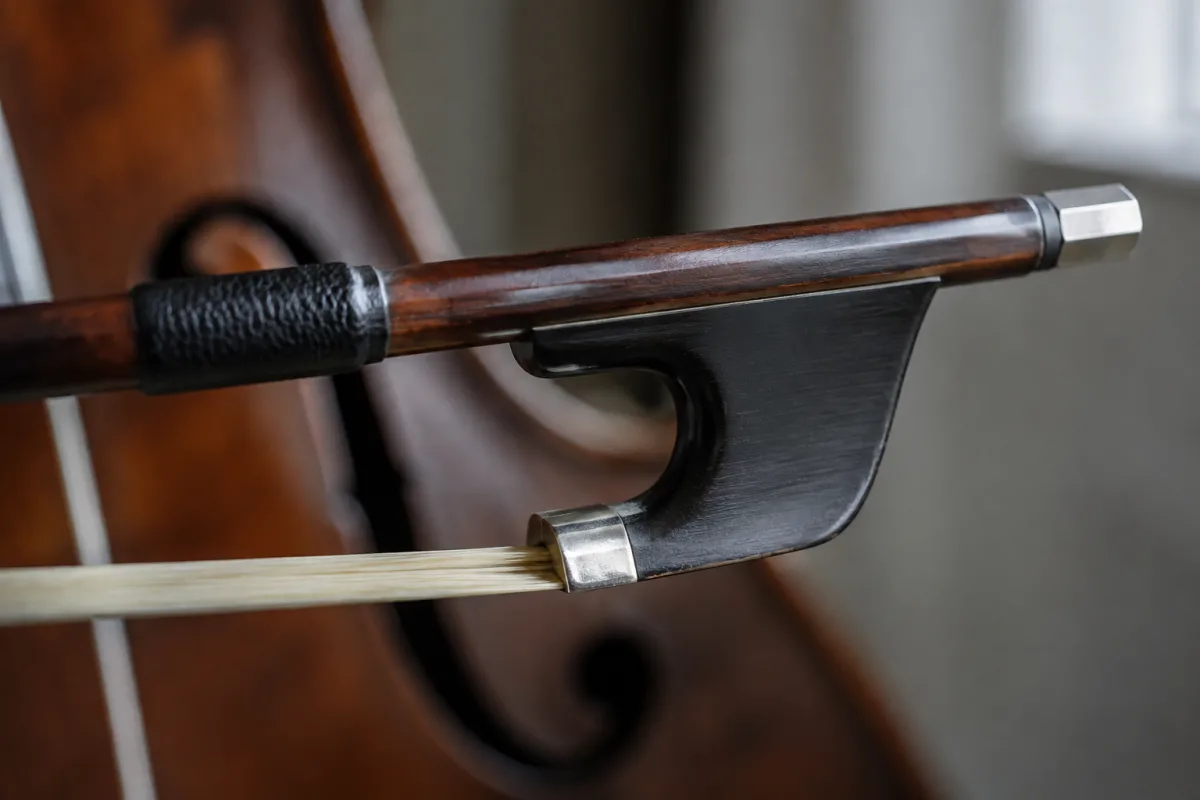
The double bass bow represents one of the most critical tools in an orchestral musician's arsenal—the direct connection between player intention and acoustic voice. Selecting and maintaining a quality double bass bow profoundly influences tone quality, control, and musical expression. Whether you're a conservatory student, amateur chamber player, or professional orchestral musician, understanding double bass bow fundamentals proves essential for developing your craft and achieving your instrument's full potential.
Understanding the Double Bass Bow
A double bass bow transmits the player's energy to the strings in a controlled, musical manner. The bow hair, traditionally horsehair, vibrates the strings at precise speeds and angles, generating the tones that characterise double bass playing. A quality double bass bow feels responsive, enabling subtle dynamic control and expressive articulation impossible with poor-quality instruments.
Every detail of a double bass bow influences performance—the wood species, hair quality, weight distribution, and balance point directly affect playability and tone production. A well-crafted double bass bow becomes nearly transparent, allowing the musician's technique and musical intention to shine through.
Anatomy of a Double Bass Bow
| Component | Material Options | Function | Impact on Performance |
|---|---|---|---|
| Bow hair | Horsehair (preferred), synthetic | Vibrates strings to produce tone | Hair quality directly affects tonal clarity and grip |
| Bow stick | Pernambuco, Brazilwood, composite | Supports bow hair; absorbs and releases energy | Stick wood influences flexibility, response, and durability |
| Frog (bottom) | Ebony, boxwood, composite | Secures hair; accepts bow hair tension mechanism | Frog weight and balance affect overall bow performance |
| Screw mechanism | Metal or wood threads | Adjusts bow hair tension | Smooth mechanism enables fine tension control |
| Tip and button | Ivory, bone, plastic | Secures bow hair at both ends | Material choice influences durability and appearance |
Double Bass Bow Hair Characteristics
Horsehair remains the gold standard for double bass bow hair due to its unique properties. Horsehair grips rosin effectively, creating friction that vibrates strings musically. Genuine horsehair bows offer superior tonal quality, responsive control, and comfortable playability compared to synthetic alternatives. Professional and advanced amateur musicians typically prefer horsehair bows despite their higher cost and maintenance requirements.
Synthetic bow hair has improved considerably in recent years, offering adequate performance for student use and avoiding ethical concerns. Synthetic materials provide durability and require less frequent replacement, though tone quality and responsiveness remain noticeably inferior to quality horsehair options. Hybrid bows combining horsehair and synthetic materials represent compromise options.
Quality Levels and Pricing
Double bass bows range dramatically in cost and quality. Student bows cost £100–300, suitable for learning fundamentals but limiting expressive capability. Intermediate bows run £400–1,000, offering significant tonal improvement and enhanced playability. Professional-grade double bass bows exceed £1,500, with premium examples reaching £5,000 or beyond. Fine vintage bows command collector's prices based on maker reputation and instrument condition.
Quality correlates strongly with pricing but doesn't determine purchasing decisions solely. A young musician benefits more from upgrading their instrument before investing in premium bows. Intermediate musicians typically notice substantial improvements from quality double bass bow upgrades. Professional players often own multiple bows, each suited to different musical contexts.
Selecting Your Double Bass Bow
Choose a double bass bow that balances weight appropriately for your strength and playing style. Bows are classified by weight (typically 75–85 grams for orchestral bows, heavier for solo performance). Test multiple bows before committing, playing repertoire you know well. A quality double bass bow should feel like an extension of your arm—responsive without demanding excessive effort.
Examine the bow stick for straightness and proper camber (the slight curve that prevents bow hair from touching the stick). Look for smooth screw mechanism operation and secure hair tension. The bow should feel balanced—neither tip-heavy nor handle-heavy. Professional luthiers and bow makers can advise on appropriate selections matching your specific instrument and playing needs.
Maintenance and Hair Replacement
Proper double bass bow maintenance extends instrument lifespan significantly. Always loosen bow hair completely after playing, preventing permanent tension on the stick. Clean bow hair occasionally using a soft cloth, removing rosin dust accumulation. Store your double bass bow in a case away from extreme temperature and humidity changes.
Bow hair requires replacement periodically as it wears or becomes damaged. Professional hair rehair involves removing old hair, cleaning the channels, and installing new horsehair. Cost typically ranges £100–300 depending on bow quality and local labour rates. Frequent players typically rehair every 1–2 years; casual players may go longer between services.
Rosin and Double Bass Bow Performance
Quality rosin directly impacts how effectively your double bass bow engages strings. Choose rosin formulated specifically for double bass—cello rosin works adequately, whilst violin rosin often proves too soft. Different rosin manufacturers offer varying stickiness and hardness characteristics; experimentation reveals personal preference. Rosin application requires a light touch—excess application creates rough, scratchy tones.
Developing Proper Bow Technique
A double bass bow is only as effective as the technique wielding it. Proper bow hold, parallel bow movement across strings, and controlled speed modulation enable the tonal control a quality double bass bow provides. Invest in qualified instruction ensuring efficient technique—poor technique undermines even the finest double bass bow performance.
Conclusion
A quality double bass bow proves essential for orchestral and chamber musicians seeking to develop sophisticated tone and expressive control. Whether selecting your first bow or upgrading to professional-grade instruments, understanding bow construction and proper maintenance ensures you maximise your double bass bow's potential. Combined with appropriate technique and regular professional maintenance, a good double bass bow becomes a trusted companion supporting decades of musical growth and expression.



Comments