


Double Bass Bow Buying guide
Double Bass Bow: A Complete Buyer's Guide
The right double bass bow transforms your playing. This guide explains what matters when choosing a bow, from student to professional level.
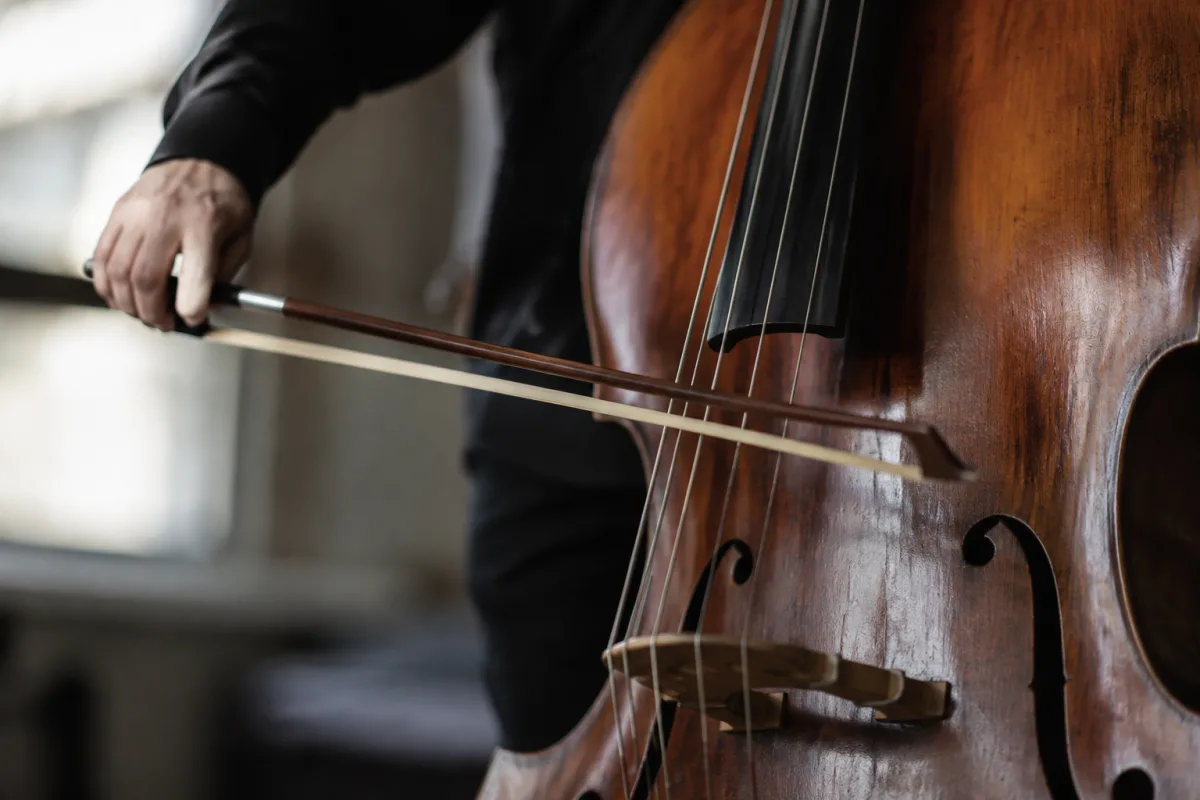
How to Choose a Double Bass Bow: A Buyer's Guide
A double bass bow is one of your most important tools, yet many players settle for whatever came with their bass or buy the cheapest option available. The wrong bow will make your bass sound thin, feel sluggish and frustrate your development. The right bow sings, responds to your touch and grows with you. This guide explains what matters when choosing a bow, from beginner-friendly options to professional-quality instruments.
Understanding Bow Fundamentals
Stick Material
Pernambuco is the gold standard. This dense Brazilian wood holds a curve, resists warping and transfers energy efficiently. Bows made from pernambuco cost more but last decades and sound superior. Carbon fibre is a modern alternative, cheaper and more durable. Some players prefer carbon for practise; others use it for gigging because it is weather-resistant. For learning, pernambuco is worth the investment if your budget allows.
Bow Hair
Traditional bow hair comes from horse tails. White Siberian hair is the standard; black hair (from Argentine horses) is considered slightly finer but is more expensive and rarer. Quality matters hugely here. Cheap bows use low-grade hair that does not grip the strings well. Good hair feels sticky and responsive, making your bass sing even at low volumes.
The quantity of hair matters too. A full bow has 150–200 hairs; thinner bows have 100–130. Fuller bows are more forgiving and richer-sounding; thinner bows are lighter and more agile.
Frog and Button
The frog (the end you hold) can be made from wood or horn. Horn is traditional and feels beautiful, but wood is cheaper and nearly as good. The button (the fine-tuner screw at the frog) should turn smoothly without grinding or slipping. A well-made button is a small luxury that improves your practice experience.
Bow Types and Their Use
French Bow
The most common type. Balanced and versatile, suitable for most styles from classical to jazz. Good control and projection. Most learners start with French bows.
German Bow
Slightly heavier with a different balance point. Some players prefer the weight; others find it tiring. More common in orchestral contexts. Try both before committing.
Intermediate and Hybrid Bows
Designed to blend characteristics of French and German styles. Often cheaper than pure pernambuco, they offer decent playability for learners.
Key Specs to Evaluate Before Buying
Weight and Balance
A bow should feel balanced in your hand. The weight should sit slightly toward the frog (where you hold it), not toward the tip. Pick up the bow and play a few notes. If your arm tires quickly, the bow is too heavy. If you struggle to control dynamics, it might be too light.
Responsiveness
Pluck the hair with your finger. It should feel springy and grippy, not loose or dead. When you draw the bow across the strings, it should produce sound easily at any speed—slow bows should sound full, fast bows should be controlled. Poor responsiveness means poor hair or stick issues.
Flexibility
Good bows flex slightly, following the contour of the bass strings. Overly stiff bows tire your arm; too-flexible bows feel mushy. Medium flex is the target.
Straightness
Hold the bow at eye level and sight along it. It should be perfectly straight, not warped or twisted. A bent bow is harder to control and indicates poor craftsmanship or age-related damage.
Price Tiers and Value
Student Bows: £150–400
Entry-level bows with decent hair and adequate stick material. Not as responsive as higher-end bows, but solid for learning and developing technique. Many players use student bows for years without limitation. Brands like Glasser and Brazilwood are reliable here.
Intermediate Bows: £400–1,200
Where most active players settle. Better hair quality, pernambuco or high-quality wood stick, smoother frogs and more responsive overall. You will not feel limited by intermediate bows in any setting—classroom, rehearsal or solo practise. A worthy investment.
Professional Bows: £1,200–3,000
Premium pernambuco, expertly horsed, hand-crafted details. Subtle refinements that professional soloists and orchestral players demand. Only necessary if you play professionally or are certain about your long-term commitment.
Vintage and Master-Made: £3,000+
Bows from renowned makers (Pecatte, Tourte, Dodd) or historic vintage bows. Collectors and world-class players pursue these. Overkill for learning but inspirational if you have the means.
Common Beginner Mistakes When Buying a Bow
- Buying the cheapest bow available. A £50 bow will sabotage your learning. Invest at least £200–300 in a student bow. It will transform how your bass sounds and plays.
- Ignoring bow hair condition. Thin, patchy or dull-looking hair is a red flag. Good hair looks full, shiny and white (or dark if black hair). Run your finger through it; it should feel uniform and grippy.
- Trusting bows that came with the bass. Factory bows often have poor hair and stiff sticks. They are acceptable for testing commitment, but upgrading to a real student bow unlocks your bass's potential.
- Assuming heavier or fancier = better. A £2,000 bow does not automatically play better for you than a £600 intermediate bow. Fit and feel matter more than price.
- Buying without trying. Bows are intensely personal. A bow that feels great to one player feels sluggish to another. Try multiple bows before deciding.
- Neglecting maintenance. Bows need care: loosen the hair after each play, keep the stick clean and straight, rehair the bow every 3–5 years. Neglect ruins even expensive bows.
- Choosing appearance over playability. A beautiful bow that feels dead is worse than a plain bow that sings. Tone and responsiveness must come first.
Bow Maintenance Basics
Always loosen the bow hair after playing. Leaving it tightened stresses the stick and hair. Store the bow in a case away from extreme temperature and humidity. Have the bow rehaired every 3–5 years depending on use—this keeps it playable and extends its life.
Wipe the hair occasionally with a dry cloth to remove rosin buildup. If the bow starts to feel sluggish or unresponsive, it is probably time for rehairing, not a new bow.
Testing Bows: What to Listen For
When trying bows, play scales in multiple registers (low, middle, high). Listen for even response across the range. A good bow produces tone easily in all positions. Play dynamic changes—soft to loud, slow to fast. A responsive bow follows your intention without requiring excessive pressure.
Play a familiar piece or exercise on multiple bows. You will quickly feel which one suits your hand and ear. Trust your instinct; the best bow is the one that makes you sound better and feel inspired to practise.
The Bottom Line
A quality double bass bow is essential to your learning and long-term playing. Do not settle for a cheap bow; invest in at least a student-level bow (£200–400) with good pernambuco or quality wood, excellent hair and a responsive feel. Try multiple options before buying. Maintain your bow carefully. A well-chosen, well-maintained bow grows with you from absolute beginner to advanced player. It is one of your best investments in music.



Comments