


Piano VST article
Everything You Need to Know About Piano Vst
Piano VST plugins deliver authentic piano emulations within digital audio workstations, enabling professional composition and recording without acoustic instruments.
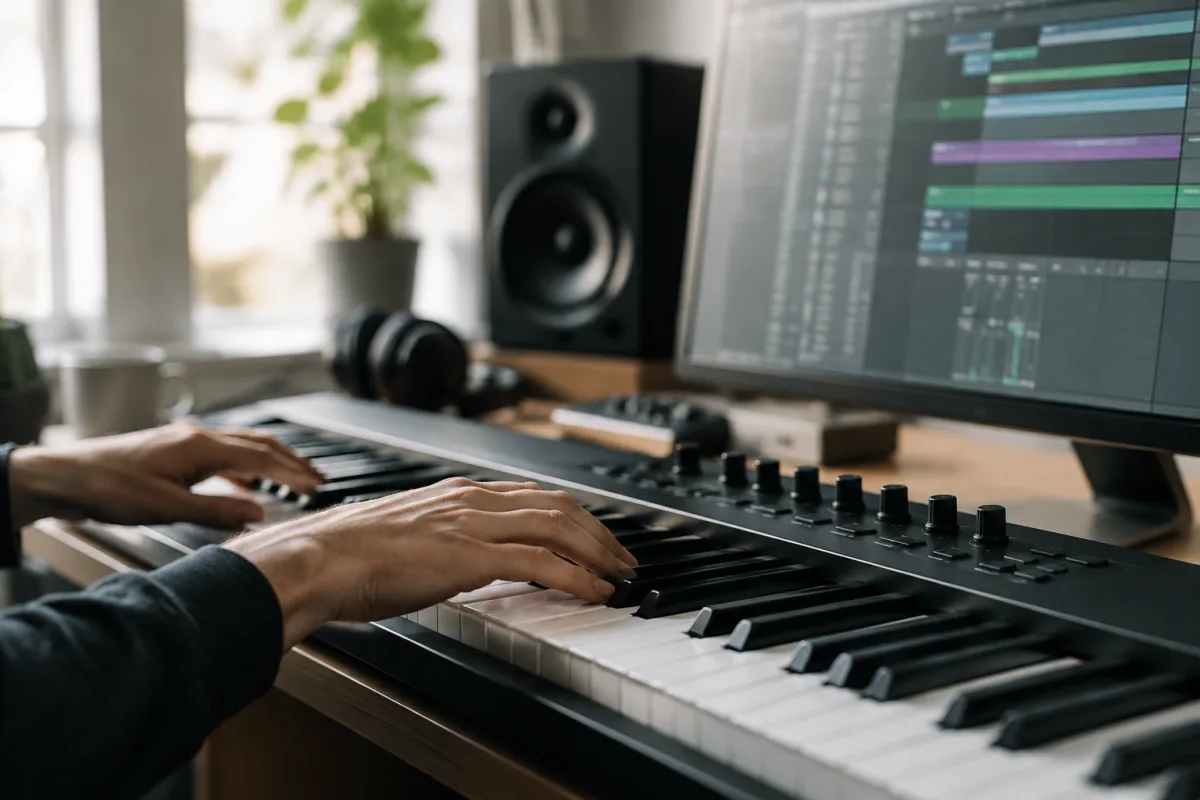
Piano VST plugins represent a transformative development in music production, enabling musicians and composers to access sophisticated piano sounds without purchasing acoustic instruments or expensive hardware. Modern piano VST software delivers remarkably authentic piano emulations matched with unprecedented flexibility in sound design and workflow integration. This comprehensive guide explores piano VST options, their capabilities, how they compare to acoustic pianos, and how to select the ideal piano VST for your production requirements.
Understanding Piano VST Plugins
Piano VST refers to virtual instrument software emulating acoustic or electric pianos within digital audio workstations. These plugins harness sophisticated sampling, physical modelling, or hybrid technologies to recreate piano sound characteristics. Unlike acoustic pianos requiring physical space and maintenance, piano VSTs offer unlimited customisation, multiple instrument emulations, and seamless integration within contemporary music production workflows.
Professional producers, recording musicians, film composers, and music educators rely on piano VSTs for composing, arranging, and recording. The technology enables piano-based music creation regardless of acoustic environment or financial constraints, democratising access to high-quality piano sounds.
Core Technologies Behind Piano VSTs
Modern piano VST plugins employ several distinct technological approaches:
- Sample-based piano VSTs featuring recorded acoustic piano samples triggered by keyboard input
- Physical modelling reproducing piano mechanics through mathematical algorithms
- Hybrid approaches combining sampling with physical modelling for enhanced realism
- Spectral synthesis enabling creative sound design alongside acoustic emulation
- Machine learning algorithms predicting realistic performance characteristics
Each approach offers distinct advantages—sampling provides authentic recorded tones, physical modelling enables realistic hammer and string interactions, and hybrid systems combine both approaches for maximum flexibility.
Sound Characteristics Across Piano VST Categories
Piano VSTs generally fall into several distinct categories reflecting their intended applications:
Acoustic Piano Emulations
Acoustic piano VSTs prioritise authentic reproduction of concert grand pianos, baby grands, or upright pianos. These plugins feature carefully sampled piano tones from prestigious instruments, enabling composers to recreate acoustic piano sounds within digital environments. Professional orchestral composers rely on acoustic piano VSTs to incorporate piano into larger arrangements.
Electric Piano Emulations
Electric piano VSTs recreate vintage electromechanical pianos including Fender Rhodes, Wurlitzer, and similar instruments. These VSTs capture the distinctive tonal characteristics of vintage electric pianos, including key noise, mechanical imperfections, and amplifier interactions essential to authentic electric piano sound. Jazz and soul producers particularly favour authentic electric piano VSTs.
Creative and Experimental Piano VSTs
Specialist piano VSTs depart from acoustic authenticity, offering creative sound design capabilities enabling abstract or experimental piano sounds. These tools appeal to electronic music producers seeking distinctive piano textures unavailable from acoustic instruments.
Premium vs. Budget Piano VST Options
| Piano VST Type | Typical Price Range | Primary Advantages | Best Applications |
|---|---|---|---|
| Premium Sampling-Based VSTs | £200–£500 | Extremely authentic sampled tones from premium instruments | Professional composition, film scoring, orchestral arrangements |
| Mid-Range Physical Modelling VSTs | £100–£250 | Realistic acoustics with extensive customisation | Music production, composition, professional recording |
| Included DAW Piano VSTs | Included with DAW | Convenient integration, no additional cost | Beginner composition, sketch ideas, temporary placeholders |
| Free/Open-Source Piano VSTs | Free | Cost-effective option with reasonable quality | Educational use, hobbyist production, budget-conscious workflows |
CPU Efficiency and System Requirements
Piano VSTs range dramatically in computational demands. Efficient implementations can run smoothly on modest computer systems, whilst premium sample-based pianos demand higher specification hardware for optimal performance. Producers with less powerful computers should research CPU efficiency before purchasing expensive piano VSTs unlikely to perform smoothly on available hardware.
Contemporary piano VSTs generally offer CPU efficiency settings, enabling performance optimisation for lower-specification systems through reduced voice count or sample resolution adjustments.
MIDI Control and Expression
Professional piano VSTs integrate extensively with MIDI control, enabling sophisticated performance characteristics. Velocity sensitivity accurately reproduces piano dynamics, pedal controllers enable sustain/soft pedal effects, and aftertouch enables real-time expression control. These MIDI integrations enable piano VSTs to capture subtle performance nuances distinguishing authentic piano performances from robotic mechanical reproduction.
Quality MIDI keyboards with velocity sensitivity and pedal support significantly enhance piano VST workflow, enabling expressive performances comparable to acoustic piano playing.
Integration Within DAWs and Plugin Standards
Piano VSTs integrate seamlessly within digital audio workstations through standard plugin formats (VST3, AU, AAX). This compatibility enables flexible workflow integration—piano VSTs function identically whether your primary DAW is Ableton Live, Logic Pro, Studio One, or Pro Tools.
Modern piano VSTs operate as standard instruments within your DAW's workflow, enabling familiar MIDI editing, automation, and mixing approaches alongside dedicated piano VST-specific controls.
Comparing Piano VSTs to Acoustic Pianos
Piano VSTs offer significant practical and financial advantages over acoustic pianos: no physical space requirements, no tuning or maintenance costs, unlimited customisation, and immediate availability. However, acoustic pianos maintain tactile advantages—physical keyboard action, acoustic resonance, and organic tonal characteristics offer unique playing experiences unavailable from digital emulations.
Professional pianists often maintain both acoustic pianos for performance and piano VSTs for composition and recording flexibility. This hybrid approach capitalises on both technologies' distinct advantages.
Key Features Distinguishing Quality Piano VSTs
Quality piano VSTs typically incorporate several distinctive features:
- Nuanced pedal simulation capturing sustain, soft pedal, and una corda effects
- Key release samples capturing natural string resonance as keys are released
- Lid adjustment enabling acoustic space customisation
- Microphone positioning controls affecting recorded piano perspective
- Sympathetic resonance modelling capturing string vibrations from held notes
- Hammer noise and key click options enabling authentic performance characteristics
- Built-in effects including reverb, EQ, and dynamic processing
These sophisticated features collectively enable piano VSTs approaching acoustic piano authenticity previously unavailable in digital environments.
Selecting a Piano VST for Your Requirements
Begin by identifying your primary use case. Professional film composers and orchestral arrangers benefit from premium acoustic piano VSTs prioritising sample quality. Jazz and soul producers should explore electric piano VSTs capturing vintage instrument character. Electronic music producers might prefer experimental VSTs enabling creative sound design. Budget-conscious producers can start with included DAW pianos or free options whilst developing production skills.
Consider your available hardware—modest computers should prioritise CPU-efficient options, whilst powerful systems can exploit premium high-resolution piano VSTs without performance concerns. Test piano VSTs before purchasing when possible—demonstration versions and digital audio workstation included options enable evaluation before financial commitment.
Workflow Integration and Creative Possibilities
Piano VSTs unlock creative compositional workflows unavailable from acoustic pianos. Instant instrument switching enables composers to audition arrangements across multiple piano types, MIDI editing enables non-destructive performance refinement, and automation enables dynamic expression control throughout productions.
These workflow advantages enable producers to concentrate on compositional and production decisions rather than technical performance constraints inherent to acoustic piano recording.
Conclusion
Piano VST plugins represent remarkable technological achievement, delivering sophisticated acoustic and electric piano emulations within modern digital production environments. From professional film scoring through hobbyist composition, quality piano VSTs provide essential tools enabling piano-based music creation regardless of physical constraints or financial limitations. Whether you're composing orchestral arrangements, producing jazz records, or exploring electronic music production, appropriate piano VST selection enables access to high-quality piano sounds supporting professional production outcomes. The convergence of sampling, physical modelling, and machine learning technologies continues advancing piano VST capabilities—todays premium piano VSTs rival acoustic pianos in sonic quality whilst offering unprecedented flexibility and creative potential unavailable from traditional acoustic instruments.



Comments