


One Shot Samples article
Everything You Need to Know About One Shot Synth Samples
One-shot samples are isolated recordings that play once when triggered. Learn how to use them, record your own, and leverage them in electronic music production.
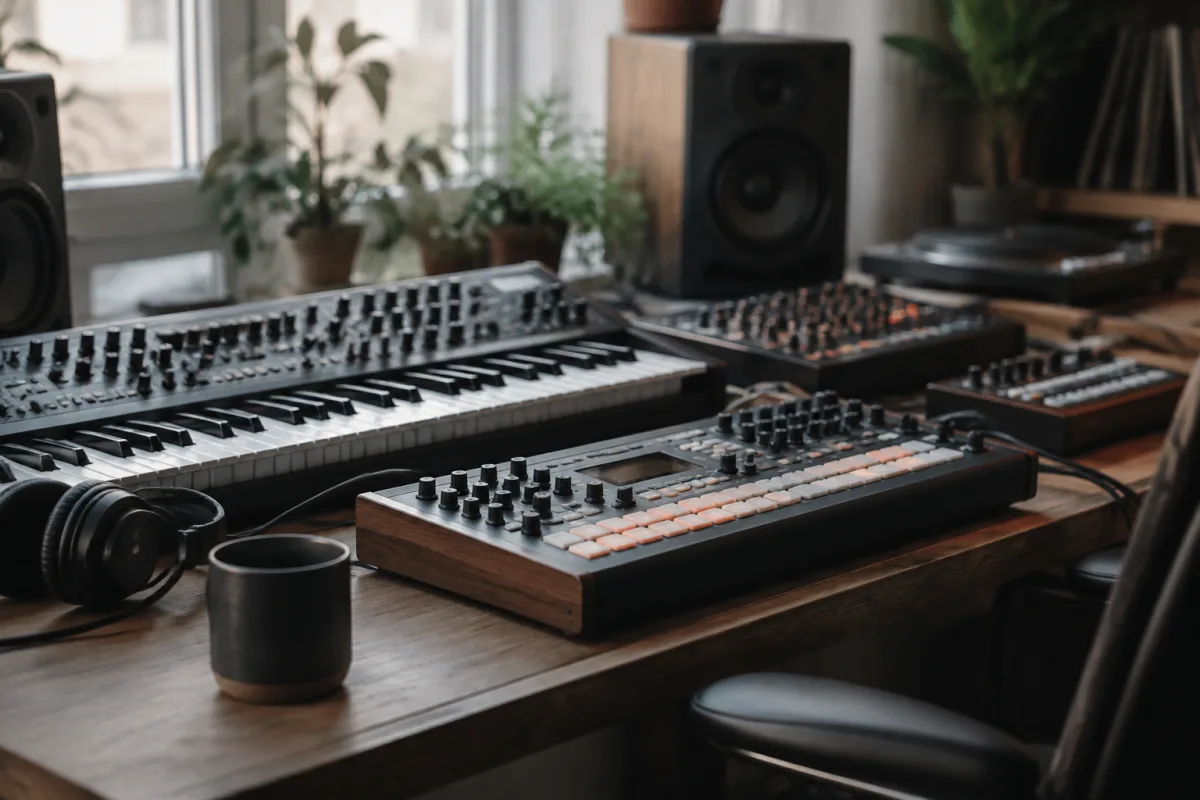
One-shot samples are the building blocks of modern electronic music production. Unlike loops that repeat continuously, one-shot samples are isolated recordings—a bass note, a synth stab, a drum hit, a pluck—designed to play once when triggered. They combine the sonic character of recorded synthesizers and hardware with the flexibility of MIDI sequencing. A producer can load one-shot samples into a sampler, assign them to a keyboard, and build entirely new music without ever touching the original synthesizer or worrying about tempo alignment.
This hybrid approach—blending the character of vintage hardware with modern production speed—is why one-shot samples remain central to hip-hop, house, techno and countless other genres.
One-Shot Samples Versus Loops: What's the Difference?
The distinction is simple but crucial. A loop is designed to repeat continuously or for a set number of bars. A one-shot plays once and stops. In practice, this difference shapes how producers build music.
With one-shot samples, you're sequencing individual hits, notes and stabs just like programming a drum machine. You have complete control over timing, velocity, layering and variation. You can place hits off the grid, build polyrhythms, and create call-and-response patterns without chopping or editing loops.
Loops are faster when you want a ready-made groove, but one-shot samples offer more creative control and flexibility. Most professional producers use both.
Types of One-Shot Samples
One-shot samples take many forms. Understanding the categories helps you build with them effectively.
Bass one-shots are usually single notes—a low C, a sub-bass impact, a pluck. You load them into a sampler or drum machine and play them chromatically across the keyboard to build basslines. One-shot samples of bass benefit from tight editing; any silence at the start makes triggering feel sluggish.
Synth stabs are hits—a chord, an arpeggio, a filtered sweep—that hit hard and decay quickly. They're ideal for rhythmic accent and punctuation.
Drum and percussion one-shots are kicks, snares, hi-hats, percussion and impact sounds. Drum machines and samplers made this workflow standard; modern production still relies on it.
Lead and melodic one-shots are plucked or struck note recordings from keyboards or synthesizers. They can be mapped across a keyboard and played like an instrument.
Effect and transition one-shots are risers, drops, whooshes and noise bursts—sound-design elements that add drama and movement.
Recording Your Own One-Shot Samples
You don't need to buy one-shot samples. Recording your own gives you complete sonic control and a unique library.
- Create or select a synthesizer patch. This could be a hardware synthesizer, a software instrument, a drum machine or a sampler preset.
- Record a single note or hit. Leave plenty of pre-roll to capture the attack cleanly. Let the sound decay fully unless you want a deliberately gated result.
- Trim carefully. The start point is critical—too much silence and the sound feels slow to trigger; too close and you'll miss the attack. The end point should preserve the full decay or reverb tail.
- Add a short fade-in and fade-out. These prevent clicks at the start and end.
- Normalize the level. Consistent gain staging across one-shot samples makes them feel cohesive when layered.
- Export as WAV. WAV is widely supported by samplers, drum machines and DAWs. Choose 16-bit or 24-bit depending on your requirements.
If you need multiple playable pitches, record several notes and map them as a multisample in your sampler rather than relying on a single sample pitched across the entire keyboard.
Mapping One-Shot Samples to a Keyboard
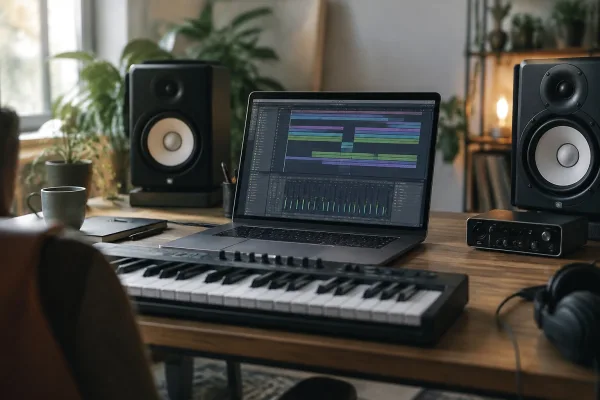
One-shot samples can be placed directly on a timeline in your DAW, but their real power emerges when you load them into a sampler—Native Instruments Kontakt, Ableton's Sampler, Logic's EXS24, or a hardware sampler like an MPC or Elektron device.
You assign the one-shot sample to a note or pad and trigger it via MIDI. This gives you:
- Velocity control—hitting the pad harder plays louder.
- Chromatic playback—pitching the sample up and down across the keyboard.
- Envelope control—modifying attack, sustain and release.
- Modulation—adding filter sweeps, vibrato or other motion.
- Layering—combining multiple one-shot samples for complex sounds.
Be aware that transposing a one-shot sample up or down changes its character. High-pitched transpositions shorten the sound and can expose artefacts. Low transpositions lengthen it. For a wide playable range, multisampling (recording multiple pitches) gives more natural results than heavy transposition.
One-Shot Samples in Your Workflow
One-shot samples excel in several production approaches:
For drum programming: Load individual kicks, snares and hi-hats from one-shot sample packs into your drum machine or DAW. Sequence them freely, adjust velocity and swing, layer multiple drum sounds.
For bassline building: Trigger bass one-shot samples to create moving, expressive basslines without slicing loops or programming a synthesizer.
For layering and texture: Combine several one-shot samples triggered at the same time to build complex, evolving sounds. Synth bass plus sub-bass, pluck plus reverb, dry hit plus processed version.
For arrangement and transitions: Use effect and transition one-shots—risers, crashes, whooshes—to move between sections and build energy.
Choosing One-Shot Sample Packs
Thousands of one-shot sample libraries exist. Key considerations:
- Sound design philosophy: Do the one-shot samples match your genre and aesthetic? Legowelt's packs preserve character from vintage samplers like the Akai S900 and E-mu EMAX. Commercial packs often target specific genres.
- Format compatibility: Are the one-shot samples available in formats your sampler supports? WAV is universal; some libraries offer Kontakt instruments, Ableton Drum Racks or other specialty formats.
- File organization: Good one-shot sample libraries include consistent naming, root notes, tempos and metadata. Poorly organized libraries waste hours of searching.
- License terms: Check whether the one-shot samples are royalty-free, royalty-bearing or require additional licensing for specific uses. Some packs restrict redistribution or standalone release.
The Bottom Line
One-shot samples remain a cornerstone of electronic music production because they combine sonic character with sequencing flexibility. They're equally useful for beginners sketching arrangements and professionals building complex compositions. Start with free one-shot sample packs to explore the workflow. As your taste develops, invest in specialty libraries that match your sound. And don't overlook recording your own one-shot samples from hardware or software instruments—your library will reflect your unique taste and sonic sensibilities.



Comments