


MIDI Packs Buying guide
Midi Packs: A Complete Buyer's Guide
MIDI packs are powerful production tools, but purchasing wisely is critical. Discover how to evaluate quality, assess seller reputation, and invest in MIDI packs that genuinely enhance your productions.
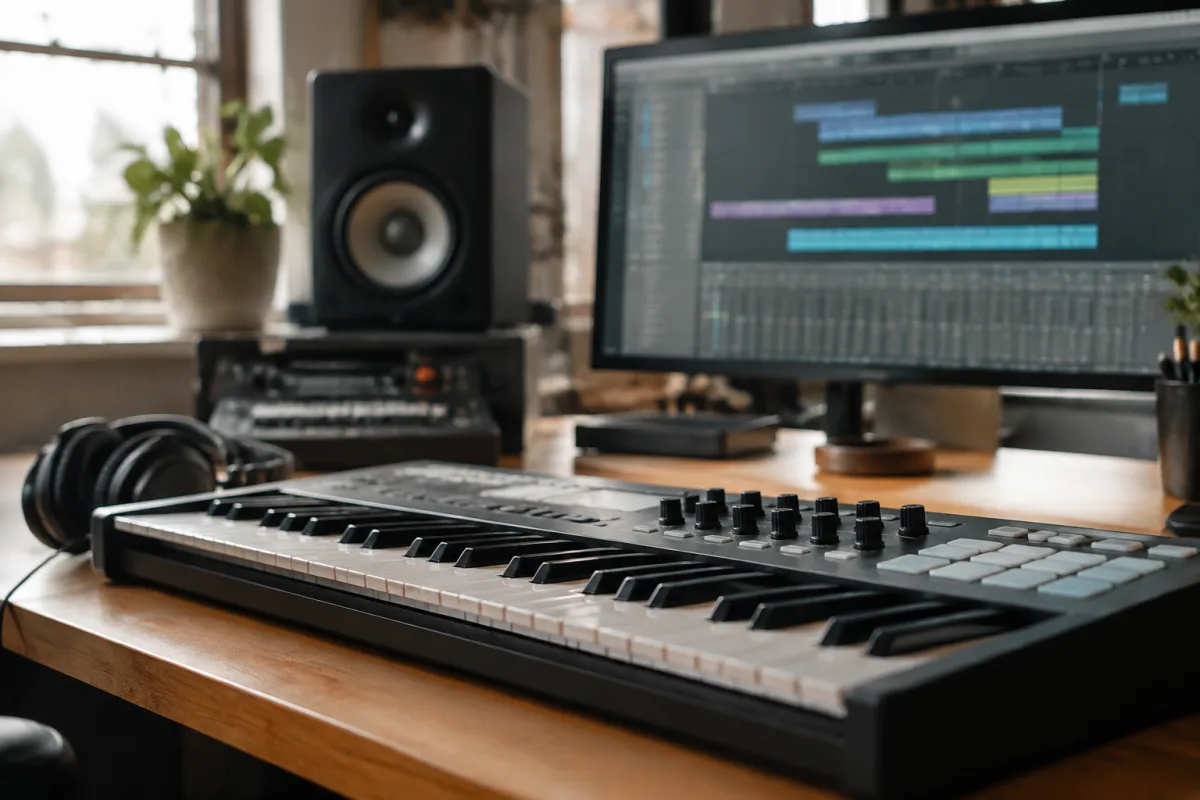
MIDI packs have become essential resources for modern music producers, offering pre-created melodies, chord progressions, drum patterns, and instrumental arrangements. Whether you're a bedroom producer seeking inspiration, a film composer working under tight deadlines, or a songwriter looking to jumpstart creativity, selecting the right MIDI packs dramatically influences your workflow and creative output. This guide walks you through evaluating MIDI packs critically, understanding what separates quality resources from overpriced collections, and making purchasing decisions that deliver genuine value.
Understanding MIDI Pack Categories and Quality Levels
MIDI packs come in several distinct categories, each serving different production needs. Chord progression packs focus on harmonic sequences, ideal for songwriters and composers. Melody packs provide memorable musical phrases across various genres and tempos. Drum loop packs offer percussion patterns from specific genres – hip-hop drums, electronic patterns, jazz grooves. Instrument-specific MIDI packs provide articulations and playing styles for particular instruments within your DAW.
Quality varies dramatically between sources. Professional MIDI packs created by experienced composers demonstrate sophisticated harmonic movement, realistic articulation, and genre-appropriate timing. Poorly constructed MIDI packs feature simplistic progressions, unnatural note lengths, and generic patterns that sound obviously computer-generated. Learning to distinguish quality indicators before purchasing prevents wasting money on unusable resources.
Essential Qualities to Assess Before Purchasing
Audio previews matter tremendously when evaluating MIDI packs. Reputable sellers provide high-quality audio previews demonstrating what you're purchasing. Listen critically – does the playing sound natural or robotic? Do the chord progressions sound inspired or predictable? Are tempos and articulations realistic for the intended instrument? Previews revealing poorly constructed MIDI packs help you avoid costly mistakes.
File format compatibility is non-negotiable. MIDI files work universally, but MIDI packs may include supplementary materials. Some include audio versions, REX files, or videos. Verify your DAW accepts standard MIDI files. Most modern producers use .mid format files, which integrate with virtually any DAW, but checking prevents compatibility frustrations.
Documentation and playback guidelines significantly impact usability. Quality MIDI packs include information about tempo, key, included instruments, and recommended DAW settings. Packs missing this documentation force you to discover information through trial and error, wasting valuable production time. Detailed documentation indicates sellers understand producer workflows.
Quantity versus quality represents a crucial consideration. Some MIDI packs include hundreds of files, others focus on dozens of expertly crafted patterns. More files doesn't inherently mean better value – a small collection of inspiring, usable MIDI packs often provides better returns than massive libraries filled with generic material. Evaluate whether included patterns match your production style and genre preferences.
Spotting Red Flags and Avoiding Common Pitfalls
Extremely cheap MIDI packs frequently indicate poor quality. Whilst pricing doesn't guarantee excellence, MIDI packs priced £3–5 rarely match the quality of professionally produced collections costing £20–50. Unrealistically low prices often suggest bulk collections from generic sources rather than carefully curated material.
Lack of preview content is a significant warning sign. If sellers refuse to provide audio previews, they're hiding something. Avoid purchasing "mystery" MIDI packs sight unseen. Professional sellers confidently provide extensive previews because their products demonstrate obvious quality.
Another frequent trap involves purchasing MIDI packs for instruments you don't own. Some producers accumulate extensive collections while owning limited virtual instruments, rendering the MIDI packs unusable. Before purchasing, verify you own compatible instruments or plan to purchase them shortly.
Overgeneralised genre MIDI packs often disappoint. A "Pop Hooks" pack meant to work across numerous subgenres typically lacks the specificity needed for production purposes. Specialised MIDI packs targeting precise subgenres – "Lofi Hip-Hop Chords", "Tech House Drums 120 BPM" – provide more useful material.
Price Tiers and Value Assessment
| Price Range | Typical Contents | Quality Expectations | Best For |
|---|---|---|---|
| Free to £5 | Small collections, limited variety, basic patterns | Variable quality; useful for experimentation | Budget-conscious beginners exploring options |
| £5–20 | Focused collections, 50–100 files, specific genres | Good quality from established producers | Genre-specific productions, frequent use |
| £20–50 | Professional collections, 100–300 files, detailed documentation | High quality, thoroughly tested | Serious producers requiring versatility |
| £50+ | Comprehensive libraries, 500+ files, bonus materials | Professional-grade, curated by experts | Professional studios, specialised workflows |
Assessing Seller Reputation and Support
Established sellers typically maintain public portfolios, social media presence, and customer feedback. Before purchasing, research the seller's background. Reviews from other music producers provide valuable context about MIDI pack quality and customer service responsiveness. Sellers receiving consistent complaints about quality or file delivery issues deserve caution.
Quality MIDI pack sellers provide customer support, answering questions about compatibility and installation. They respond to emails promptly and address legitimate concerns. If sellers ignore customer inquiries, this suggests they don't stand behind their products.
Return policies matter significantly when purchasing higher-priced MIDI packs. Reputable sellers offer money-back guarantees if the MIDI packs don't meet expectations. This confidence reflects genuine quality. Sellers refusing returns likely know the products won't impress customers.
Common Mistakes When Purchasing MIDI Packs
Many producers accumulate massive MIDI pack libraries without using them effectively. Downloaded packs sitting unused represent wasted money and create decision paralysis. Before purchasing new MIDI packs, honestly assess how frequently you use existing collections. Building expertise with smaller, focused libraries produces better results than maintaining vast unused inventories.
Another mistake involves treating MIDI packs as shortcuts around developing musical skills. MIDI packs work best as inspiration and time-savers for experienced producers, not substitutes for understanding music theory and composition. Beginners relying exclusively on MIDI packs produce derivative, uninspiring work because they're not learning underlying musical principles.
Purchasing MIDI packs for genres you don't regularly produce wastes resources. Specialised jazz chord MIDI packs won't help ambient music producers. Align MIDI pack purchases with your actual production activities rather than imaginary projects you might someday tackle.
Making Your Purchasing Decision
Before committing money, thoroughly review audio previews and seller information. Listen to multiple examples from any MIDI pack under consideration. Check customer reviews on production forums and social media. This due diligence prevents buying regret.
Consider your current production workflow. Do you primarily work in specific genres? Are you developing particular skills? Do you need chord progression inspiration or drum pattern variety? Answering these questions guides you toward MIDI packs actually serving your needs.
For comprehensive context about MIDI packs and their role in modern music production, review our detailed guide to MIDI packs, which explores the full landscape of available resources and production applications.
Finally, remember that MIDI packs should enhance your creativity, not replace it. The most successful producers use MIDI packs strategically to accelerate specific production phases, then apply their unique creative vision to differentiate their work. Purchase thoughtfully, use generously, and let MIDI packs become valuable tools within your creative arsenal rather than shortcuts undermining artistic development.



Comments