


Kontakt Library Buying guide
Kontakt Library: A Complete Buyer's Guide
A Kontakt library is the difference between adequate string sounds and playing instruments that could pass for real. This guide focuses on choosing between options for your needs.
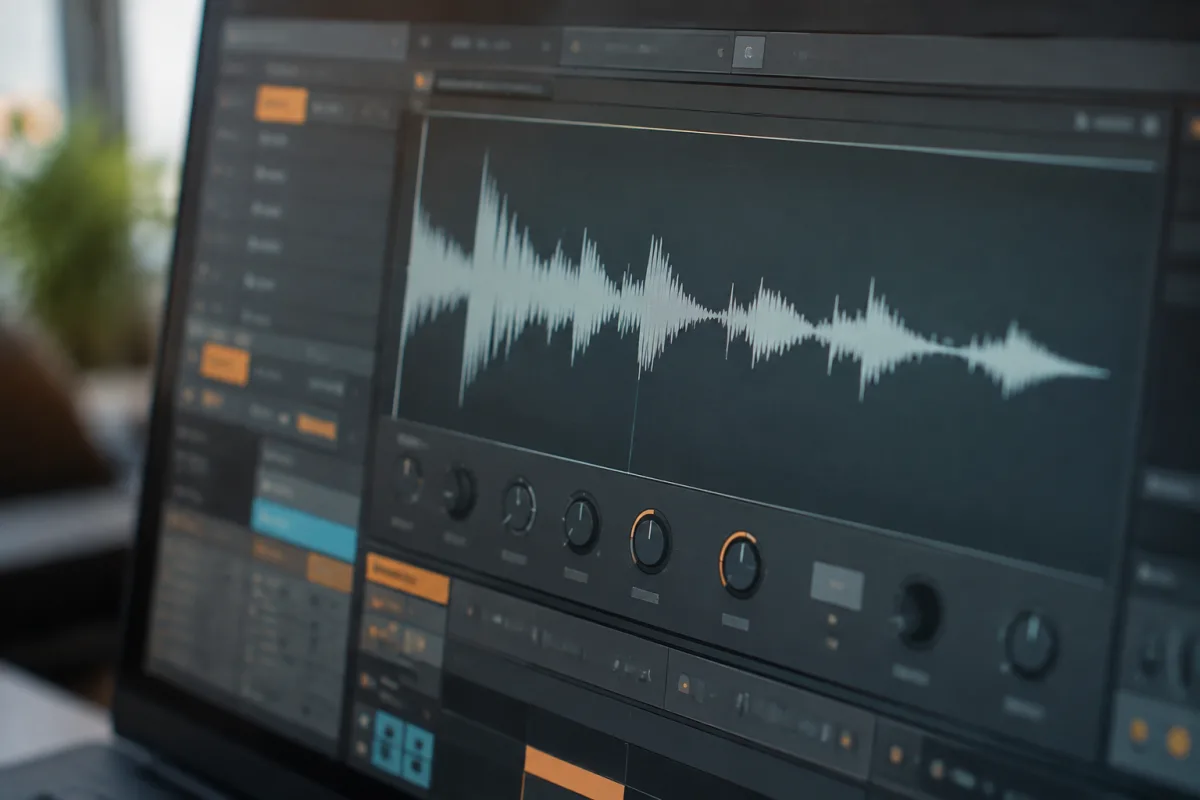
A Kontakt library is the difference between adequate string sounds and playing instruments that could pass for real. Buying the right Kontakt library means understanding what you actually need and what's worth the money. This guide focuses on choosing between options.
What a Kontakt library actually is
A sound library for Kontakt is a collection of sampled instruments packaged as files that load into Native Instruments' Kontakt sampler. The most famous are orchestral strings, drums, and pianos. Each library is basically thousands of audio recordings of a single instrument, triggered and blended by Kontakt's engine to sound realistic.
These are not beginner tools. They're professional-grade and priced accordingly. But they're also industry-standard: any composer or producer working with strings or realistic instruments uses one.
The ecosystem: free versus paid
Free options exist. Native Instruments bundles reasonable orchestral sounds with Kontakt itself, and those are genuinely usable for learning. There are free sound libraries on sites like FreePats and Kontakt Hub that work acceptably.
But a professional option—something like Spitfire's Abbey Road orchestras or Vienna Symphonic's products—starts at £300-500 and goes up to £3000+ for flagship products. That's serious money.
Choosing by instrument family
Orchestral strings are the single most popular use case. Spitfire, Vienna Symphonic, and Cinematic Strings all make industry-standard sound libraries. Each costs £400-800 and each is genuinely good. Start with entry-level Spitfire (Abbey Road Lite, around £150) before committing to flagship.
Drums are another category. Sample Magic and Impact Soundworks make excellent sound libraries for percussion. Prices are lower (£40-200) because they're simpler. Drum libraries are good learning purchases because you hear the difference immediately.
Pianos are tricky. Sampled pianos with proper velocity layers and pedal releases need tens of gigabytes of samples. Libraries like Soniccouture's pianos are brilliant but require massive disk space and RAM. Budget accordingly if this is your focus.
Storage and system requirements
This is the hidden cost nobody mentions. A professional orchestral sound library needs 50-200 GB of hard drive space and 16-32 GB of RAM if you want to use multiple instruments simultaneously. If your computer only has 8 GB total RAM, you can't run serious libraries.
Budget for a dedicated SSD for samples. That's another £150-300. Total investment for a professional setup is easily £1000+ when you factor in the library, storage, and any necessary computer upgrades.
The licensing model
Most require a Native Instruments account and authorisation. Spitfire libraries authenticate online. Vienna uses their own authorisation. Understand the licensing: can you transfer it to another computer? What if Native Instruments changes their system? These are real concerns for music professionals.
Some are one-time purchases. Others use iLok protection (a physical key you need to connect). Others are subscription. Understand the model before buying because it affects long-term cost and portability.
Price tiers and what you're buying
Under £50: entry-level options. Good for learning and testing. Limited articulations and velocity layers. Spitfire's free libraries and Abbey Road Lite fall here.
£50-300: mid-range professional work. Decent articulations, enough velocity layers for realistic playback. Sound libraries at this level genuinely sound good in a mix. Most hobbyists stay here.
£300-800: flagship orchestral options. These compete with professional orchestras. Used on major film scores and commercial music. Worth it if orchestral music is your income.
£1000+: ultra-premium. 8-hour Round-robin recording sessions, extensive editing, uncompromising vision. Used by top-tier composers. Overkill for 99% of people.
Alternatives to Kontakt
Spitfire's sound libraries are industry-standard, but they're not the only choice. Vienna Symphonic sounds different but is equally respected. Cinematic Strings specialises in film scoring. East West has budget options like ComposerCloud that include libraries via subscription.
Also consider whether you actually need Kontakt. Many DAWs come with reasonable orchestral instruments built-in. Logic's Alchemy, Ableton's Sampler, Omnisphere—these aren't Kontakt-based but they're closer than you think and many are included with your DAW.
Testing before buying
Most makers offer demo versions or 30-day trials. Use them. Load them into your DAW. Play them next to your favourite reference recording. Can you tell the difference? Does it sound lifeless or realistic? That's the only test that matters.
Watch YouTube videos of people using the library you're considering. Listen to the demo tracks on the manufacturer's website. Read user reviews on forums like Gearspace or Reddit's /r/makinghiphop. Real-world feedback beats marketing.
Common beginner mistakes
Don't buy the most expensive option without testing cheaper alternatives first. A £150 library often teaches you as much as a £800 one. Learn with affordability, upgrade later to specialised needs.
Don't buy a sound library if your computer doesn't have the RAM and storage. You'll spend more on computer upgrades than you save on a cheaper library. Calculate the full cost before committing.
Don't assume libraries make you a composer. They're tools. A cheap library with skill beats an expensive library with no idea what you're doing. Focus on arrangement and orchestration before upgrading library quality.
Long-term value of a Kontakt library
Sound libraries are like owning a real instrument: they retain value and improve with skill. Buying a Kontakt library is an investment in your workflow for years. But it's not required to make music. Start free, learn, then commit money.
For more context on Kontakt library options and specific product recommendations, check out our detailed guide to Kontakt libraries and orchestral instruments.
Conclusion
A sound library for Kontakt is a powerful tool for realistic orchestral and instrumental sounds, but it's not a beginner purchase. Start with free options and entry-level libraries. Learn to arrange and compose with affordable tools first. Only then commit to a professional option. The sound difference is real, but the money difference is enormous. Be smart about progression.


Comments