


Foley Samples article
Everything You Need to Know About Collecting Urine Sample from Foley Catheter
Foley samples are recorded sound effects essential for film, video and game production. This guide covers libraries, quality evaluation and creative application.
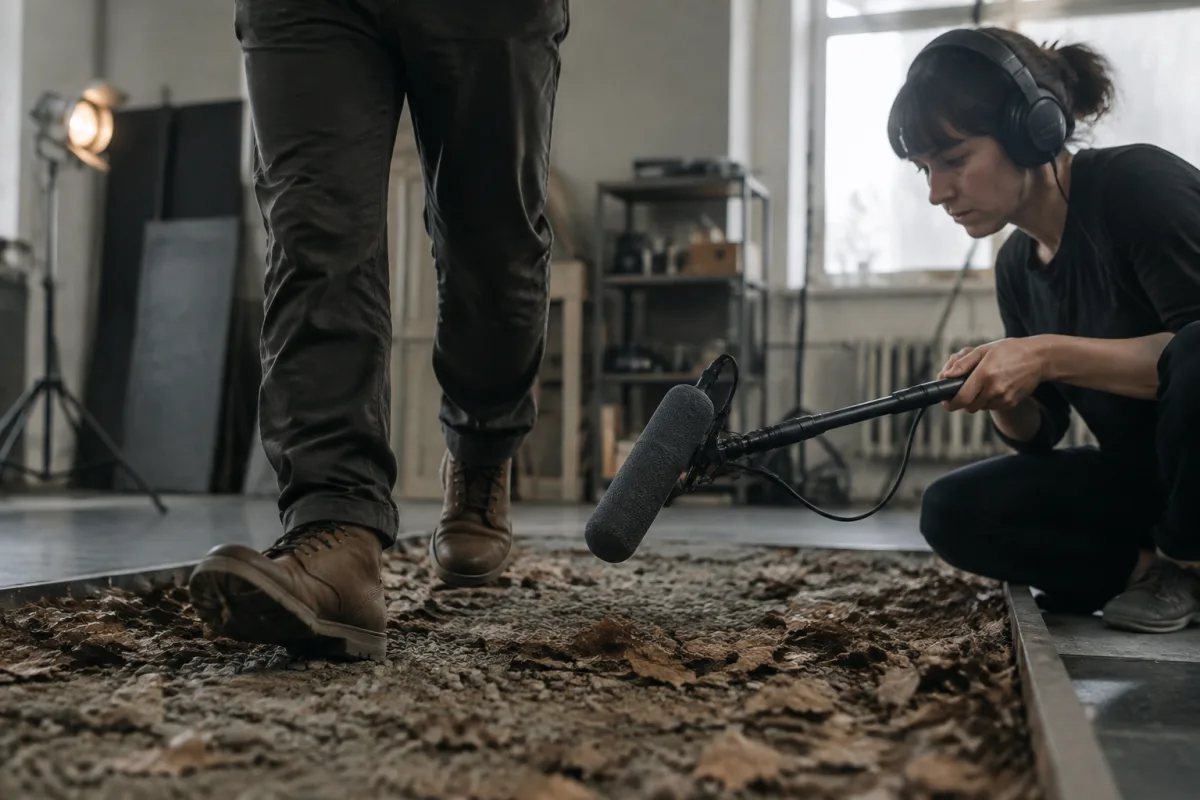
Foley samples are recorded, library-sourced sound effects that mimic real-world sounds—footsteps, clothing rustles, door creaks, object impacts—essential for film, television, video game and multimedia production. Rather than recording foley sounds on set or in post-production, producers use pre-recorded foley sample libraries to speed up production and ensure consistent, polished audio. Whether you are producing film scores, video content, game audio or immersive media, understanding foley samples, where to find them, and how to integrate them effectively transforms your sonic storytelling capability. This guide covers foley sampling fundamentals, quality evaluation, and creative application.
What Are Foley Samples?
Foley samples are pre-recorded, single-purpose sound effects representing everyday environmental sounds. Common foley categories include:
- Footsteps — foot impacts on various surfaces (tile, wood, gravel, carpet, metal)
- Movement sounds — clothing rustles, chair creaks, body impacts, body movements
- Door and cabinet sounds — door opens/closes, hinges, latches, wood creaks
- Glass and liquid sounds — glasses clink, liquid pours, splashes, ice crackles
- Object impacts — items falling, dropping, rolling, sliding, impacts
- Mechanical and industrial sounds — equipment hums, machinery, motors, switches
- Environmental ambience — room tone, background noise, weather effects
Foley samples are distinguished from sound design by their realism and familiarity. Sound design creates abstract, imaginary, processed or stylised sounds; foley captures recognisable, realistic sounds audiences don't consciously notice but miss immediately if absent.
Why Professional Productions Use Foley Samples
Quality foley adds immersion, realism and professional polish to visual media:
- Production efficiency — using library samples accelerates post-production compared to scheduling foley recording sessions
- Cost savings — foley libraries cost far less than hiring foley artists and renting recording facilities
- Consistency and polish — professional foley libraries feature high-quality, carefully recorded samples from industry professionals
- Completeness — large libraries offer rare or difficult-to-record sounds (breaking glass, explosions) practically impossible to record safely
- Creative flexibility — access to hundreds of variations (footsteps on ten different surfaces) allows perfect matches to onscreen action
- Universal applicability — pre-recorded samples work for narrative film, documentary, gaming, advertising and multimedia equally
Foley Sample Libraries and Sources
Several high-quality sources provide professional foley samples:
Premium Foley Libraries
Companies like Soundly, Epidemic Sound and BBC Sound Library offer carefully curated, professionally recorded foley collections. Premium libraries prioritise recording quality, organisation and completeness. Typical subscription costs range £15–40 monthly or £150–400 annually.
Budget and Free Options
Free sound libraries (Freesound.org, Zapsplat, BBC Sound Effects Library) offer extensive foley collections at no cost. Quality varies widely; high-rated samples typically meet professional standards. Subscription services like Epidemic Sound offer unlimited downloads for reasonable monthly fees.
Game Engine Assets
Unity Asset Store and Unreal Marketplace offer extensive foley collections, many free or low-cost. These samples suit game development and interactive media effectively, though some licensing restrictions may apply.
Evaluating Foley Sample Quality
Quality foley samples should demonstrate:
- Clean recording — minimal background noise, handling noise or recording artefacts
- Natural timbre — realistic, un-processed sound representing the real object faithfully
- Good frequency balance — neither thin nor boomy; balanced representation across the spectrum
- Appropriate duration — footsteps typically 0.5–2 seconds; impacts 0.2–0.5 seconds; ambiences 30+ seconds
- Usable format — WAV at 24-bit/96 kHz preferred for film; 16-bit/44.1 kHz acceptable for web and games
- Descriptive naming — clear file names indicating surface type, impact intensity and object (e.g. "footstep_wood_heavy_01.wav")
- Consistent levels — similar audio level across the library preventing surprises during editing
Integrating Foley Into Your Productions
Effective foley integration requires both technical skill and creative sensitivity:
- Sync foley samples precisely to onscreen action. A footstep must align with the visible foot impact for invisible immersion.
- Layer multiple foley samples for complex sounds. A footstep might combine heel impact + weight distribution + fabric rustle.
- Vary samples to avoid obvious repetition. Cycle through different footstep variations for different steps rather than repeating the same sample.
- Process with reverb and EQ appropriate to the space. Indoor footsteps need room reverb; outdoor steps benefit from subtle reverb tails.
- Balance foley subtly against dialogue and music. Foley should be audible but never overwhelm the primary sound elements.
- Leave space for silence. Not every movement needs foley; judicious use of silence makes foley more impactful.
Common Foley Editing Mistakes to Avoid
Avoid these pitfalls when working with foley samples:
- Overuse — adding foley to every movement makes sound design feel overdone and distracting
- Poor syncing — foley out of sync with visuals destroys immersion immediately; timing is critical
- Repetitive looping — using the same foley sample repeatedly is immediately obvious; cycle through variations
- Inappropriate reverb — foley reverb should match the visual space; interior foley shouldn't sound outdoor and vice versa
- Wrong intensity — using heavy footsteps for tiptoeing or light impacts for crashes breaks immersion
- Neglecting frequency matching — foley that sounds sonically different from dialogue/music stands out unnaturally
Foley in Different Contexts
Foley requirements vary across production types:
- Film and television — foley is essential; professional productions layer multiple foley samples per action
- Video content and YouTube — foley adds production value but is less critical than in theatrical releases
- Video games — real-time interactive foley driven by game physics often replaces pre-recorded samples; when using samples, variety is critical to avoid repetitive audio
- Podcasts and audio documentaries — subtle foley and ambience add dimension without overwhelming dialogue
- Advertising and commercials — foley adds emotional punch and production quality in short formats
Building Your Own Foley Library
Beyond using existing libraries, many professionals record custom foley for unique requirements:
- Hire professional foley artists — specialised professionals with varied surfaces and objects create authentic, performance-based foley
- DIY recording — record foley yourself using household objects and a quality microphone in a treated space
- Hybrid approach — combine library samples with custom recordings for unique sonic identity
- Layering and processing — combine multiple raw recordings, process with EQ and reverb to create signature foley sounds
Conclusion
Foley samples are essential to professional audio production, adding immersion and realism to visual media. Whether you source from premium libraries, free collections or record custom foley, thoughtful integration elevates your production's sonic quality significantly. Sync precisely, layer creatively, vary samples judiciously, and match foley processing to your visual space. Invest time understanding foley fundamentals, and every project—from short videos to feature films to interactive media—benefits from professional, well-integrated foley that audiences feel without consciously hearing.



Comments