


Drum VST Buying guide
Drum Vst: A Complete Buyer's Guide
Ready to buy a drum VST? Learn which specs matter, how to compare options, and where hidden costs hide before you spend money.
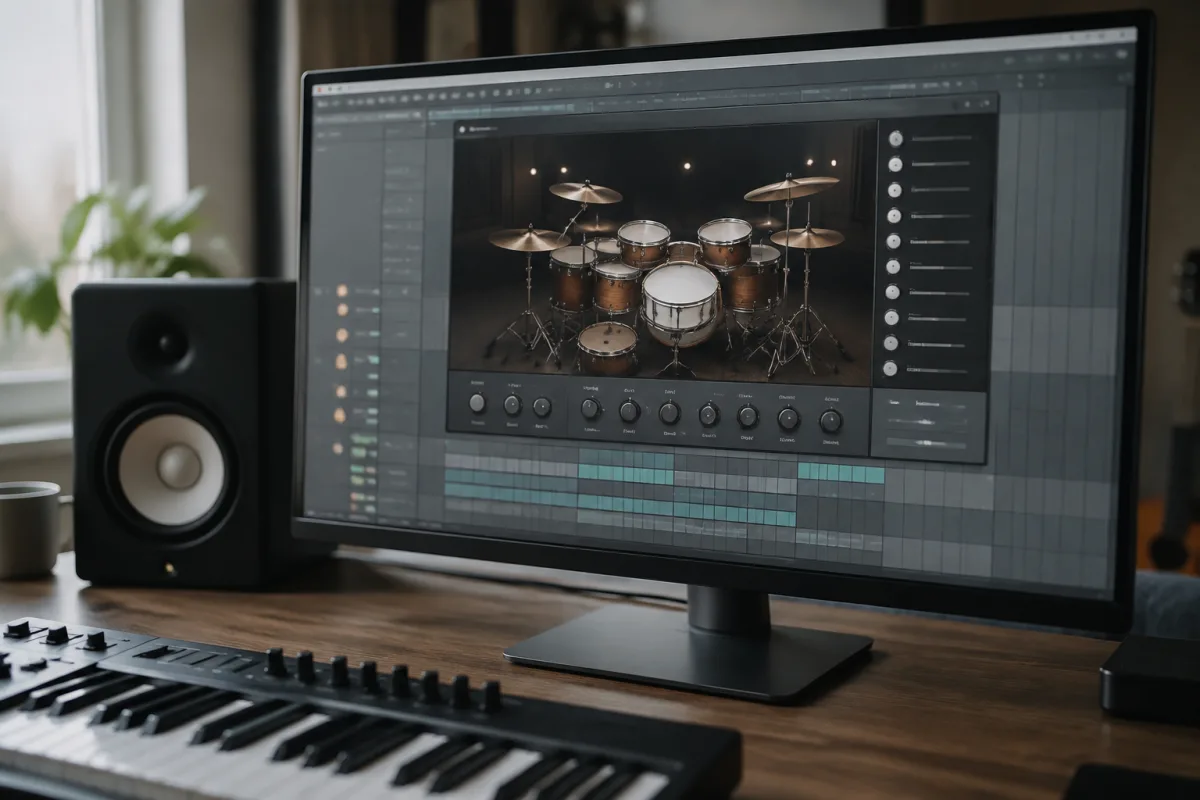
Choosing the right drum VST for your production setup is one of the most impactful purchasing decisions you'll make. The market is flooded with options ranging from budget-friendly bundles to premium professional tools, and each has distinct strengths, limitations, and sound characteristics. This guide cuts through the noise and helps you identify exactly which drum VST deserves your money based on your specific needs, budget, and production style.
Defining Your Requirements First
Before you spend a pound, be clear about what you actually need. Are you producing hip-hop, electronic dance music, jazz, or rock? Different genres benefit from different drum VST characteristics. A drum VST perfect for tight, quantized electronic beats might feel stiff for organic jazz recording. Similarly, your workflow matters—do you need extensive customisation options, or are you happy with great sounds you can grab straight away?
Also consider your DAW. Most drum VSTs work across platforms, but some are optimised for specific hosts. Check compatibility before purchasing. Finally, honestly assess your sound design skill level. Some drum VSTs reward deep tweaking; others sound brilliant with minimal adjustments.
Key Specs to Compare
When evaluating drum VSTs, look beyond marketing hype and examine these genuine technical differences:
- Sound libraries included: How many drum kits are included? Premium VSTs often include 50+ kits; budget options might have 5-10. More doesn't always mean better—quality trumps quantity
- Customisation depth: Can you layer multiple samples? Adjust pitch, decay, and reverb per drum? Layer fills? Real professionals will want this flexibility
- MIDI learn capability: Does it map to your controller easily? Some VSTs require extensive setup; others work instantly
- CPU efficiency: How much processing power does it consume? Professional VSTs often optimise better than budget options, important if you're layering multiple instances
- File format support: Does it accept your own samples in common formats (WAV, MP3)? Essential if you want to personalise your sounds
- UI responsiveness: Is the interface snappy, or does it lag? You'll spend hours in this window—sluggish UI is genuinely frustrating
- Documentation and support: Reputable companies provide clear manuals and responsive support. Cheap VSTs often vanish from developers
Price Tiers and What You Get
Drum VSTs typically fall into clear price brackets:
- Free to £30: Great starting point. Includes solid core sounds, limited customisation. Expect 5-15 drum kits. Adequate for lo-fi, casual production, or learning
- £30-£80: The sweet spot for serious hobbyists. More kits, better sound design options, decent CPU efficiency. This range includes most indie producer favourites
- £80-£150: Professional-grade options. Extensive drum libraries, deep customisation, excellent presets, forum support. Right for music professionals and serious enthusiasts
- £150+: High-end VSTs with massive sample libraries, advanced sound sculpting, integrated sequencers, or bundle packages. Usually marketed to studios and pro producers
The quality jump from £0 to £30 is massive. From £30 to £80 is significant but incremental. Beyond £150, you're often paying for niche features or brand prestige rather than essential functionality.
Sound Character Considerations
Different drum VSTs sound distinctly different. Some prioritise realism and acoustic character; others lean into electronic, processed, or retro drum machine aesthetics. Before buying, download free trials and listen to audio demos:
- Acoustic-focused: Sampled from real drums, prioritising natural decay and complex overtones. Brilliant for jazz, funk, organic pop
- Electronic emphasis: Synthesised or heavily processed sounds. Perfect for electronic, industrial, experimental work
- Hybrid options: Mix of acoustic samples and electronic processing. Versatile for modern productions across multiple genres
- Vintage drum machine recreation: Specifically modelled on classic 808s, 909s, TR-808 style. Essential for certain genres; limiting if that's all you want
Listen to multiple genre examples before deciding. Your ears are your best guide.
Hidden Costs and Common Pitfalls
Watch out for these traps when purchasing:
- Subscription models: Some VSTs require monthly fees. Calculate the annual cost—it often exceeds one-time purchase alternatives
- Expansion packs: Base package seems affordable, but popular options require purchasing additional drum kits separately. Total cost can triple
- Copy protection and iLok dongles: Some premium options require hardware dongles. Inconvenient if you work across multiple machines
- Version updates: Will the company charge you again for major updates? Reputable developers usually offer free updates; some demand half-price upgrades
- Compatibility issues: Ensure it works with your specific DAW version. Older VSTs sometimes break with new OS updates
- Demo limitations: Some trials only let you use sounds for 30 seconds before each needs restart. Download the trial and test thoroughly before purchasing
Trial and Return Options
Always download trials before purchasing. Most reputable companies offer 7-30 day trials with full functionality. Use this time genuinely—load it into your DAW, use it on a complete track, and see how it fits your workflow. If you're buying from retailers like Plugin Alliance or directly from developers, check return policies. Many allow 14-30 day refunds if you're unsatisfied.
Recommendations by Use Case
Different producers have different needs. Consider:
- Bedroom producers on tight budgets: Free options or £20-40 VSTs offer excellent value. You don't need expensive premium options to create professional music
- Genre specialists: If you're exclusively making 808 trap beats or lo-fi hip-hop, buy a VST specifically optimised for your style. Specialised tools often sound better than general solutions
- Session musicians recording live: Invest in acoustic-focused drum VSTs with extensive customisation and top-tier sound quality
- Electronic experimentalists: Seek VSTs with deep modulation, synthesis capabilities, and unusual sound design options
- Studio professionals: Premium options from established companies justify the investment. Their sound libraries are comprehensive, support is excellent, and resale value is better
Final Advice Before Purchasing
Spend the extra 30 minutes researching. Watch YouTube comparisons, read user reviews on production forums, and download multiple trials. Your money is precious—use it wisely. A well-chosen drum VST becomes part of your creative identity and pays for itself through better-sounding productions. For an in-depth exploration of drum VSTs and advanced production techniques using them, visit our comprehensive guide to drum VSTs.
Ultimately, the best drum VST is one you'll actually use. Don't get paralysed by choice—pick something that fits your budget and genre, learn it thoroughly, and create amazing music with it.



Comments