


Bass Amp Sim Buying guide
Bass Amp Sim: A Complete Buyer's Guide
Shopping for a bass amp sim? This guide explains what matters—specs, latency, CPU usage, and tone—so you can choose the right plugin for your needs and budget.
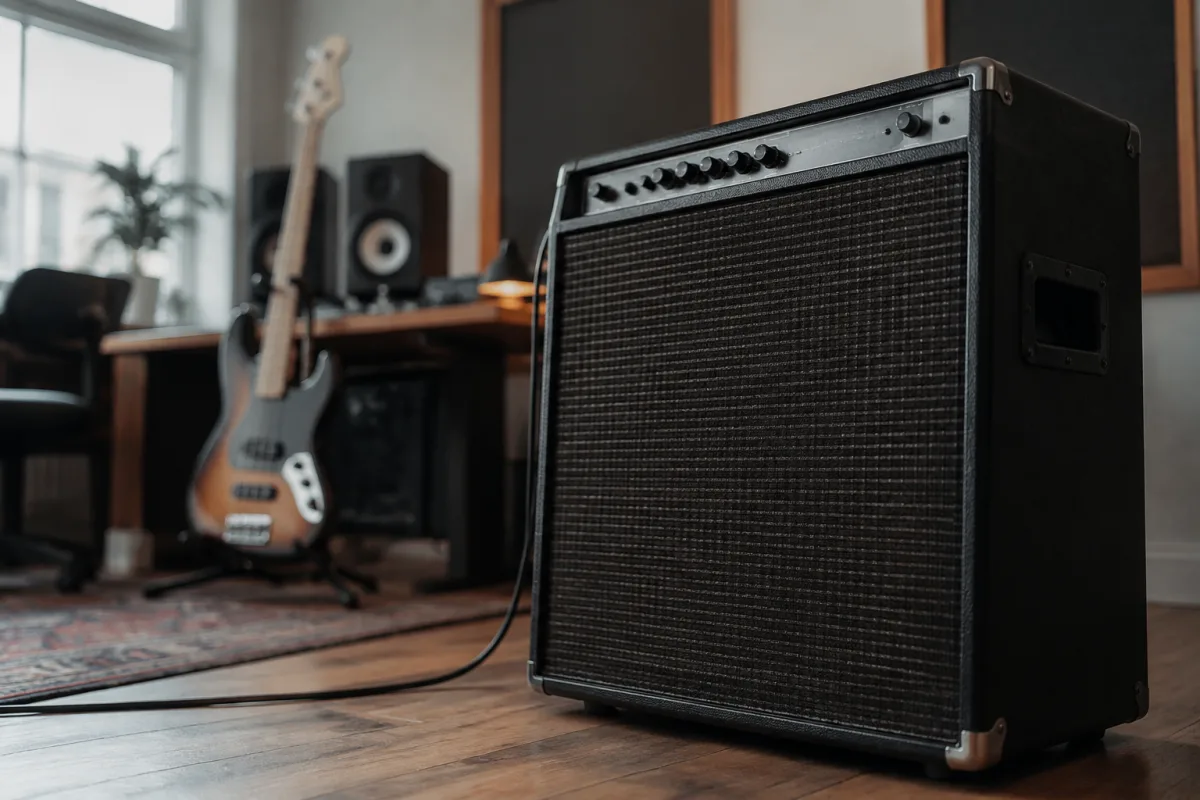
Whether you're recording bass at home, rehearsing quietly through headphones, or just want more amp tones without hauling a rig, a plugin that simulates bass amplifiers is one of the most practical investments you can make. These plugins model real amplifiers and cabinets, giving you professional bass tones straight into your DAW or audio interface. The market is crowded—some sound indistinguishable from the gear they emulate, whilst others feel thin and lifeless. Here's what actually matters when you're shopping.
Core Features That Matter
When comparing options, focus on three things: the amp models included, cabinet/impulse response options, and whether it supports your DAW. Quality plugins typically include multiple amplifier models—clean channels, overdriven channels, and sometimes vintage and modern variants. You want at least 3-5 distinct amp sounds, each genuinely different in character.
Cabinet modelling is equally important. A plugin works through your studio monitors or headphones, so it needs impulse responses (IRs) of real bass cabinets to sound authentic. Budget versions sometimes skimp here, and the result sounds thin or unnaturally processed. Look for options with multiple cabinet choices—1x15, 2x10, 4x10, and so on—so you can match the tone to your bass and style.
What to Check Before Buying a Bass Amp Sim
Compatibility matters more than specs suggest. Any bass amp sim must support your DAW and operating system. Most major options work with Logic, Pro Tools, Studio One, and Ableton, but check the fine print—some older versions only work with Intel Macs or Windows, not newer architectures.
CPU usage varies wildly. Some plugins are lean and efficient; others hog resources. If you're running a full mix with multiple instances, that matters. Check the system requirements and read forum posts from users with similar setups. A bass amp sim that taxes your CPU heavily might not be practical for your workflow.
Latency is another hidden gotcha. Lower latency matters for recording live bass without hearing delay through your headphones. Most modern plugins are fine, but budget options sometimes introduce noticeable latency that makes playing feel sluggish. Trial versions of any bass amp sim let you test this before committing.
Price Tiers: What You're Actually Getting
Budget options run £20-50 and work better than you'd expect. They typically include 1-2 amp models and basic cabinet choices. If you just need functional tones for rough demos, this tier is fine. Drawbacks: limited customisation, fewer amp characters, and sometimes noticeably processed tone.
Mid-range plugins (£80-150) are where most players find their sweet spot. You get 4-8 amp models, solid cabinet library, and genuine sound quality. These will handle most recording and performance scenarios. Options usually have better UI, more control over tone-shaping, and professional-grade impulse responses included.
Premium options (£200+) offer comprehensive amp collections—sometimes 10+ models—extensive cabinet choices, and real-amp measurements from famous rigs. Premium plugins often include bonuses like microphone placement modelling or acoustic simulation. If you're recording professionally or touring with backing tracks, premium is justifiable. If you're home recording, the difference over mid-range is subtle.
Common Pitfalls to Avoid
Don't buy based on amp count alone. Five carefully modelled amps sound better than twenty thin, generic ones. Read user reviews and listen to shootout videos—trust your ears over spec sheets. Something that sounds bad to you is worthless, regardless of features.
Another trap is ignoring wet/dry balance options. Some plugins lack proper dry signal blending, forcing you to use 100% processed tone. That works sometimes, but quality options let you blend dry bass with processed tone, retaining your instrument's natural character. This flexibility separates decent plugins from great ones.
Avoid expensive bundles that include hundreds of third-party IRs you'll never use. Those boost the asking price without adding real value. A plugin with a curated selection of good cabinets is more useful than one buried under bloat.
Testing Before You Buy
Most developers offer trial versions. Download them and run them with your actual bass, through your actual interface, into your actual DAW setup. Something that sounds perfect in YouTube demos might feel wrong in your hands. Spend an hour with the trial and trust that experience.
Latency, CPU load, and tone colour can only be judged subjectively. If a plugin feels sluggish or sounds thin in your mix, it doesn't matter how good the reviews are. Your workflow is unique—test it in context.
Making Your Choice
Start by deciding your budget and priority. Are you recording albums where tone is critical? Invest in mid-range or premium. Are you practising quietly at home? Budget or mid-range covers you. Do you need to match a specific amp sound? Look for options that model your target rig and read detailed user reviews.
Most bass players find that one quality plugin handles 90% of their needs. Buying additional options for specific flavours is tempting, but pick one that works well and master it first. For a deeper technical breakdown and full-specification comparison, see our complete guide to bass amp simulators.
Final Thoughts
A plugin that models bass amplifiers is one of the best-value purchases in modern music production. Quality has improved dramatically—even budget options sound legitimate now. Trust trial versions, prioritise tone over features, and pick something that feels natural in your hands. The right choice will pay for itself the first time you avoid hauling a rig to a session.


Comments