


Analogue Mixing Console Buying guide
Analogue Mixing Console: A Complete Buyer's Guide
Expert guide to purchasing analogue mixing consoles. Evaluate channels, processing, preamp quality, and make informed buying decisions.
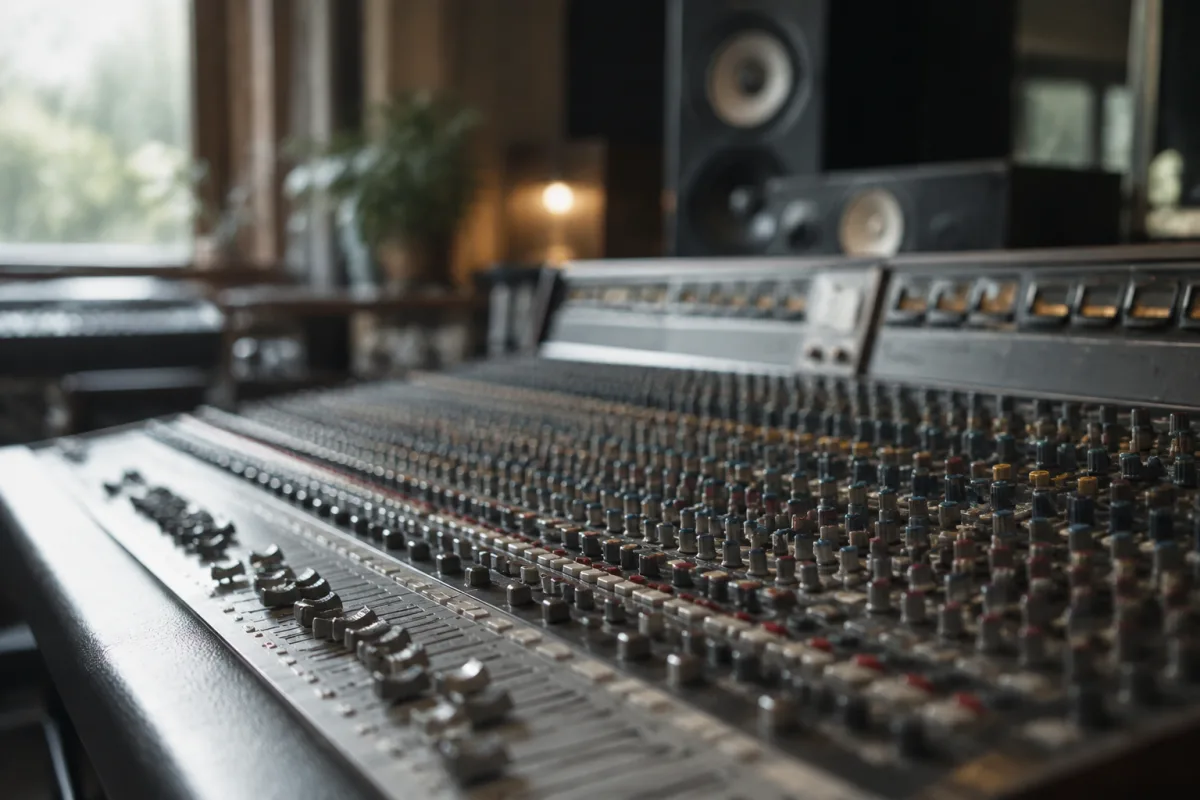
Choosing an analogue mixing console is one of the most significant decisions you'll make when building a professional studio. Unlike digital alternatives, a quality analogue mixing console adds warmth, character, and a tactile workflow that many engineers prefer for tracking and mixing. Whether you're setting up a home studio, a working professional space, or expanding your existing setup, understanding what makes a great analogue mixing console is essential. This buying guide walks you through the key specifications, price categories, and considerations that separate excellent investments from expensive mistakes.
Understanding Analogue Mixing Console Fundamentals
Before shopping for an analogue mixing console, understand what you're actually buying. An analogue mixing console processes audio through physical circuits using resistors, capacitors, and transformers. This analogue architecture imparts colour and character that digital mixers can only approximate. An analogue mixing console works with physical audio signals moving through channels, offering immediate tactile control. Unlike digital systems requiring menu navigation, an analogue mixing console presents all controls immediately visible and accessible. This immediacy appeals to studios prioritising workflow speed and creative flexibility. Understanding these fundamental differences helps you evaluate whether an analogue mixing console matches your priorities and workflow.
Channel Count and Expandability
One of the first practical considerations when selecting an analogue mixing console is channel count. Small analogue mixing console models offer 8-12 channels, adequate for home studios or minimalist setups. Mid-size analogue mixing console options provide 16-24 channels, serving most working studios effectively. Large analogue mixing console systems exceed 32 channels for complex multitrack recording. Don't automatically assume larger is better; an oversized analogue mixing console wastes money and studio space. Consider your typical session requirements: how many simultaneous sources do you record? How many monitoring outputs do you need? A quality analogue mixing console sized to your actual workflow serves you far better than an extravagant option you'll never fully use. Some analogue mixing console systems offer expandability; understand these options before committing.
EQ and Dynamics Processing on Your Analogue Mixing Console
The onboard processing defines how powerfully your analogue mixing console shapes sound. Look for solid EQ options—at minimum a three-band parametric EQ per channel. Premium analogue mixing console models feature more sophisticated EQ sections with additional bands and frequency control. Dynamics processing availability varies significantly. Entry-level analogue mixing console options might offer compression only on master outputs. Professional analogue mixing console systems include compressor/limiter circuits on multiple channels. Examine the specific processing specifications carefully; this determines how much character and control your analogue mixing console actually provides. Quality processing transforms an ordinary analogue mixing console into an exceptionally versatile mixing tool.
Preamp Quality and Mic Input Specifications
Your analogue mixing console's preamps directly affect how well vocals, guitars, and acoustic instruments translate through the system. Quality microphone preamps are essential; cheap preamps introduce noise and distortion that limits the analogue mixing console's utility. Examine specifications: look for low equivalent noise figure (measured in dB), adequate gain range, and phantom power availability. Test a potential analogue mixing console with instruments and microphones you actually use. How does a vocal sound through the preamp? How do acoustic guitars translate? Does the analogue mixing console add pleasing colour or objectionable noise? Quality preamps in an analogue mixing console should enhance rather than compromise your sources. Never compromise on preamp quality; this is where your analogue mixing console earns its investment.
Routing Flexibility and Subgroup Options
Professional mixing requires flexible routing between channels, subgroups, auxiliary sends, and master outputs. Examine your potential analogue mixing console's routing architecture. Can you create subgroups easily? How many auxiliary buses are available? Is the master section comprehensive enough for your monitoring setup? An analogue mixing console with limited routing feels restrictive during complex mixing sessions. Professional analogue mixing console systems offer extensive flexibility; each channel typically feeds multiple destinations simultaneously. The more routing options your analogue mixing console provides, the more creatively you can approach mixing. This flexibility separates workable analogue mixing console options from truly professional systems.
Price Tiers for Analogue Mixing Consoles
Analogue mixing console pricing spans an enormous range. Entry-level models (£2,000-5,000) offer basic functionality but may compromise on preamp quality or processing options. Mid-range analogue mixing console systems (£5,000-15,000) provide solid preamps, decent processing, and reliable routing. Professional analogue mixing console instruments (£15,000+) feature exceptional preamps, comprehensive processing, and studio-grade construction. Vintage analogue mixing console equipment from respected manufacturers can command premium prices due to their legendary status and sonic character. Don't automatically assume new equals better; many studios still rely on vintage analogue mixing console equipment from Neve, SSL, or Studer. Determine your budget first, then research which analogue mixing console options deliver the best value within that range. Used professional analogue mixing console equipment often offers exceptional value compared to new systems at similar prices.
Evaluating Used Analogue Mixing Console Purchases
- Test every control: Each fader, knob, and button on your analogue mixing console should function smoothly. Scratchy potentiometers or non-responsive faders indicate maintenance costs.
- Check for capacitor plague: Older analogue mixing console equipment sometimes suffers from failed electrolytic capacitors. This is fixable but expensive.
- Inspect cables and connectors: Corroded XLR connections or damaged wiring on your analogue mixing console require professional repair.
- Verify power supply condition: Power supply failure is expensive. Listen for unusual fan noise or smell any burning odours on your analogue mixing console.
- Request documentation: Service records and original documentation add credibility and reveal maintenance history of your analogue mixing console.
- Test audio quality: Always test through your own microphones and speakers. How does the analogue mixing console actually sound with sources you know?
Space and Integration Considerations
Physical size matters more than many buyers realise. A large analogue mixing console dominates studio layout. Ensure you have adequate desk space before purchasing. Consider cable management requirements; analogue mixing console systems with extensive I/O require careful organisation. Integration with your existing gear—preamps, compressors, effects—determines how your analogue mixing console fits into your signal chain. Plan these integration points before committing funds. A perfectly capable analogue mixing console that doesn't physically or electronically fit your space creates frustration, not improvement.
For comprehensive exploration of console operation and advanced mixing techniques, visit our complete guide to analogue mixing console, which covers signal flow and professional mixing workflows.
Making Your Investment Decision
Purchasing an analogue mixing console is a significant commitment requiring careful evaluation. Take time comparing options, test equipment personally, and don't rush the decision. A quality analogue mixing console becomes a trusted tool serving your creative vision for decades. Choose wisely, and you'll have an investment that rewards your commitment with beautiful mixing capability and genuine joy in the workflow.


Comments