


DAW for Podcasting article
The Ultimate Guide to Daw for Podcasting
Choosing a daw for podcasting requires understanding your production needs. Learn which software suits solo creators, growing networks, and professional operations.
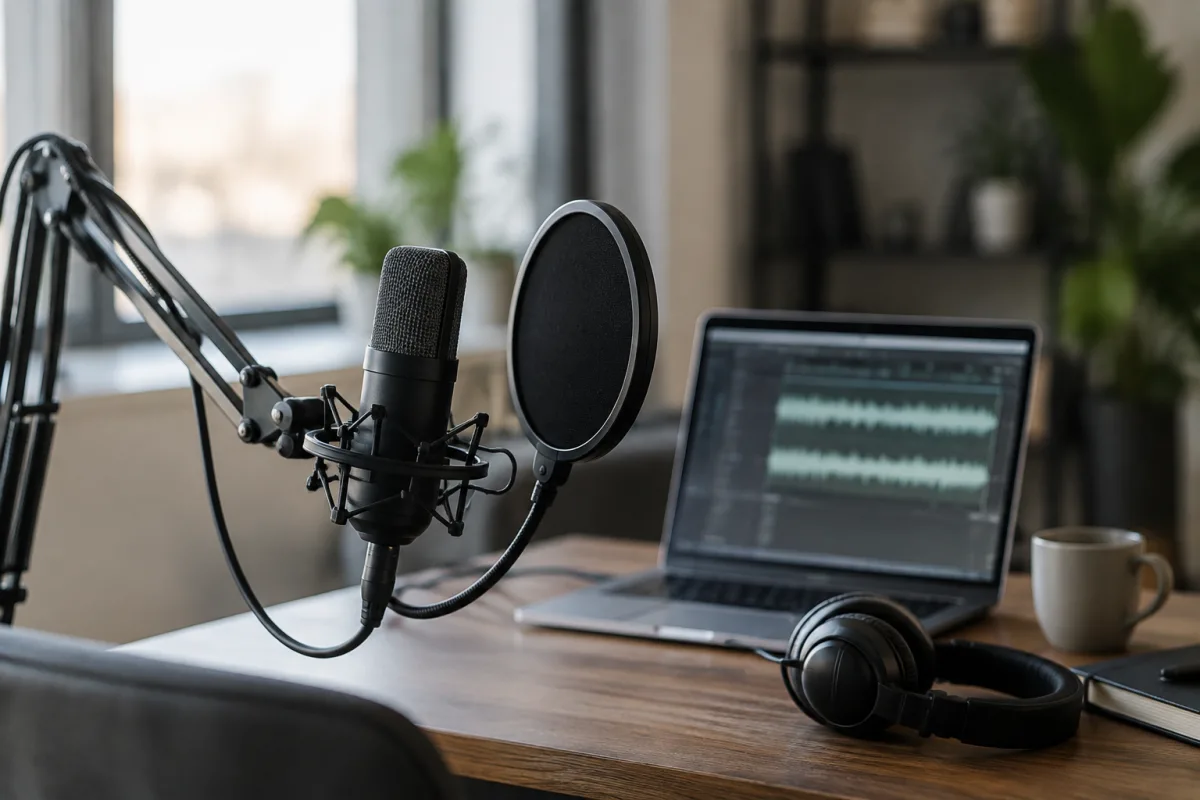
Podcast production demands different priorities than music production. Selecting a daw for podcasting requires excellent vocal capture, intuitive editing, reliable mixing, and straightforward export—but not necessarily the synthesis capabilities or advanced MIDI sequencing essential for musicians. Choosing the right software shapes your entire production workflow, from recording through final mix. The best daw for podcasting balances professional sound quality with practical usability.
Why a Dedicated Approach to DAW Selection Matters
Many podcasters start with general-purpose music DAWs, only to discover they're wrestling with unnecessary complexity. A podcast-focused digital audio workstation should prioritise recording quality, editing efficiency, and content-specific workflows over features you'll never use. This focus makes production faster and results sound better.
Professional-grade podcast software typically includes features like voice editing tools, multitrack recording, basic mixing capabilities, and format export that matches distribution platforms. Understanding these requirements prevents wasted time learning applications that don't suit podcast production needs.
Essential Features in Podcast Production Software
Recording stability matters enormously. Your chosen software must capture audio reliably without dropouts, clicks, or latency issues. This requires solid audio engine architecture and proper buffer management.
Editing capabilities should emphasize speed. Podcast work involves cutting dead air, removing stumbles, and assembling multiple recordings. Software designed for podcasting needs efficient non-destructive editing, quick selection tools, and reliable time-shift capabilities. Audio quantization (grid snapping) helps maintain timing consistency.
Mixing features necessary for podcasting include multitrack playback, volume automation, equalization, compression, and noise reduction. Most content creators need basic mixing rather than deep synthesis capabilities. Podcast-specific software includes these tools without overwhelming complexity.
Export functionality must support distribution formats. Quality podcast software should export MP3 and AAC files easily, with batch processing for episode series. Some include RSS feed integration or direct platform upload capabilities.
Popular Choices for Podcast Production
Audacity offers free, open-source functionality suitable for basic production. It provides recording, editing, and basic mixing without complexity. For solo creators or networks on tight budgets, this software works effectively, though advanced features remain limited.
Adobe Audition serves podcast production professionals excellently. This application excels at audio restoration, cleaning up recordings captured in suboptimal environments. The spectral editor enables surgical removal of hum, noise, and unwanted sounds. For production-heavy projects prioritising sound quality, Audition justifies its subscription cost.
GarageBand provides Mac users an accessible entry point. Built-in podcast templates, multitrack recording, and straightforward mixing make it genuinely functional for beginning creators. iOS recording capability adds flexibility for remote contributions and mobile production.
Logic Pro works as a professional-grade application, offering powerful recording and mixing capabilities beyond typical podcast needs. Its deep feature set suits creators who also produce music or require advanced editing functionality.
Presonus Studio One includes multitrack recording, editing, and mixing suitable for podcast production. Its streamlined interface makes learning efficient, and the software includes podcast-specific templates and effects suitable for content creation.
Reaper functions as a powerful, affordable option for podcast creators. Though musicians favour it for music production, podcasters appreciate its efficient workflow, customisable interface, and extremely reasonable pricing model making it ideal for growing operations.
Considerations for Choosing Podcast Production Software
Budget matters significantly. Quality options range from free (Audacity) to subscription-based (Adobe) to purchase options (Logic Pro, Reaper). Define your budget before evaluating options—expensive software won't necessarily improve podcast quality if basic features suffice for your needs.
Workflow efficiency depends on learning curve and interface design. Production software should minimize time spent on mechanics. Test-drive options before committing, particularly paid applications. Many offer free trials; utilize them fully to assess suitability.
Operating system compatibility matters significantly. Some applications work only on Mac or Windows. Cross-platform requirements if you work on multiple devices should influence selection decisions.
Collaborative features increasingly matter for distributed production. Modern podcast software should enable remote recording (guests calling in or recording independently) and cloud collaboration for editing and mixing phases.
Audio restoration and noise reduction capabilities vary considerably. If your recording environment isn't acoustically treated, software with good spectral editing and noise reduction tools becomes genuinely valuable for production quality.
Setting Up Your Podcast Production Workflow
Organization within your chosen software reduces production time significantly. Create templates with standard track layouts, effects chains, and export presets. Proper configuration streamlines every episode production cycle considerably.
Master the editing keyboard shortcuts in your software selection. Efficiency gains from dedicated shortcuts compound across dozens of episodes. Invest time learning your application's fastest workflow paths.
Develop consistent mixing approaches. Apply standardised compression, EQ, and level settings across episodes for consistency. Podcast listeners expect familiar sonic characteristics; consistency builds audience comfort and professionalism.
Remote Recording Considerations
Modern podcast production involves remote guests and distributed recording. Quality podcast software should integrate with remote recording solutions like Riverside.fm or SquadCast, which handle recording quality and synchronisation while your application handles post-production mixing and editing tasks.
Alternatively, many creators use their chosen software alongside separate recording tools, importing final audio files. This approach often produces higher quality results than streaming-based recording solutions.
Scaling as Your Project Grows
Beginning creators should select software that scales with production ambitions. A tool sufficient for solo recording might need replacement as you add co-hosts or expand to multiple shows. However, many popular options grow effectively with increasing needs.
Consider whether your chosen software can handle increasingly demanding post-production, such as audio restoration for older episodes or mixing complex multi-guest recordings. Reaper and Logic Pro particularly scale effectively for expanding operations.
The Verdict on Choosing Podcast Software
The best daw for podcasting balances your production complexity with software complexity. New creators often thrive with straightforward tools like GarageBand or Audacity that minimize learning curve. Growing operations benefit from professional-grade options like Adobe Audition or Reaper, offering features handling increasingly sophisticated requirements. Regardless of choice, your selected daw for podcasting should inspire confidence in recording quality, enable efficient editing, and streamline export processes. Test-drive options thoroughly before committing—the right software enables consistent, professional production without unnecessary frustration.



Comments