


Beat Making Software article
Beat Making Software for Beginners: A Complete Guide
Starting with beat making software feels daunting if you've never made music before. This guide shows you how to start making beats today without getting lost in complexity.
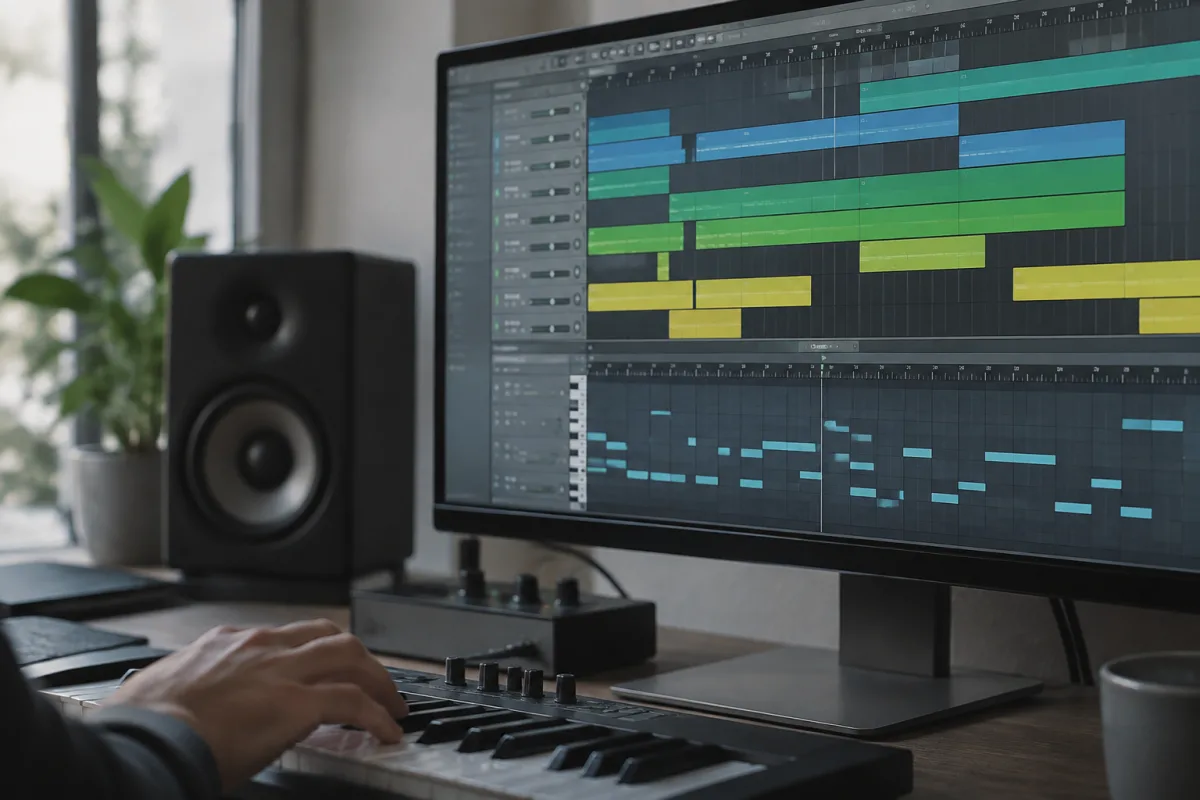
Starting with beat making software feels daunting if you've never made music before. But the truth is simpler than you'd think: the best tool for a first-timer is the one you'll actually use. This guide shows you how to start making beats today without getting lost in complexity.
What makes beat making tools different from general production
Dedicated beat makers are workflow-focused. They're designed to get you from zero to a finished loop in minutes, not hours. General DAWs like Ableton or Logic are powerful but overwhelming for someone who just wants to make a beat and hear it. Focused tools cut the confusion.
For a beginner, dedicated beat making software is honestly a better starting point than a full DAW. You learn what drums, bass and arrangement mean before getting lost in mixing, effects and fifty other features you don't need yet.
The easiest entry point: browser-based tools
You don't need to download anything or buy expensive software. Start with a browser-based beat maker. Services like BeatBox, Loop.Loft, or Splice's web tools let you make a complete beat in your browser. No account needed for many of them.
These free web tools won't make you a professional, but they'll teach you the basics: drum programming, adding bass, arranging. Once you understand these, jumping to real software is straightforward.
Free desktop options
Cakewalk by BandLab is the gold standard free option. Download it, open it, and you have access to decent drum sounds, a piano roll, and everything you need. It's genuinely industry-standard and used by professionals who prefer it to expensive alternatives.
FL Studio's demo (called "trial" rather than "limited") lets you create and save beats freely. You just can't sell them until you pay. Many producers cut their teeth on the FL demo, and it's a legitimate path to learning production.
REAPER is technically paid but so cheap (£60 one-time) that it counts as free for most people. It's a full DAW, not beat-focused, but it's powerful and worth knowing about if you get serious.
Understanding the workflow
Most producers working with beat making software follow the same pattern. You start with a tempo (BPM). You pick a drum kit. You place kicks, snares and hi-hats on a grid. That's the foundation. Add bass, add melody, arrange sections, add effects. Done.
The learning curve is genuinely shallow if you start with tools designed for this workflow. FL Studio, Maschine, and hardware beatmakers like Teenage Engineering's OP-1 all follow this same logic. Learn one, and jumping to another is easy.
Paid options that pay for themselves
FL Studio (£200 full version) is the industry standard for hip-hop and electronic production. The learning curve is famous for being steep at first, then suddenly everything clicks. Thousands of YouTube tutorials exist. If you get serious about beats, FL is the destination.
Ableton Live's Lite version (£100 on sale) includes Session View, which is purpose-built for live looping and beat making. It's a shortcut to understanding arrangement. Many producers stay on Lite permanently because it's honestly all they need.
Native Instruments Maschine (£300-£800 with hardware) bridges software and hardware. It's overkill for a complete beginner but brilliant once you understand the basics elsewhere first.
Hardware vs. software
Hardware beat makers like Teenage Engineering's OP-1, Elektron's Rytm, or budget options like the Volca Drum are tempting. But don't buy hardware first. Learn software and the workflow, then upgrade to hardware if you want tactile control. Hardware is expensive and software teaches you the same fundamentals.
Common beginner mistakes
Don't buy a £800 DAW when you should start free. Master the basics on a free option, then invest once you know you're serious.
Don't confuse drum machines with production software. A drum machine (like Elektron's Rytm) is hardware. Software runs on your computer. They do the same job but using hardware requires understanding tempo sync, MIDI, and more. Software is simpler for beginners.
Don't get seduced by loop packs. Thousands of free samples exist online. Beginners who load hundreds of loops never learn to produce; they just arrange other people's sounds. Use loops to learn, but aim to create your own quickly.
Understanding drum kits and sounds
Most tools come with drum samples built in. These are perfectly fine for learning. Kicks, snares, hats, percussion—they're all there. Don't buy expensive sound packs until you know how to arrange what you have.
If you want different sounds, free sample packs are everywhere on Reddit, Splice, Loopmasters. Paid packs are almost never necessary when you're learning.
From beats to complete tracks
Once you can make a four-bar loop that grooves, the next step is variation. Add a second section, drop something out, bring new elements in. This is arrangement, and it teaches itself naturally when you're working with focused tools.
After that, you learn mixing (volumes, pan, basic EQ), effects (reverb, delay, compression), and eventually exporting for distribution. But that's months away. Start with the basics.
Where to go for help
YouTube is full of tutorials. Search your software's name plus "how to make a beat" and you'll find hundreds. Most are 10-20 minutes and cover everything you need. Watch one today, open the software, do exactly what they do.
Splice Sounds and Reddit communities (/r/makinghiphop especially) are full of beginners asking the same questions you'll have. The culture is genuinely helpful.
Your first day
Download Cakewalk or open a browser tool. Set a tempo to 90 BPM (standard hip-hop). Drag a kick every four beats. Add a snare on the second and fourth. Add hi-hats between the kicks. You now have a beat. That's your starting point. From there, everything else is experimentation.
For more context on workflows and the bigger world of music production software, check out our detailed guide to beat making tools and production software.
Conclusion
Beat making software is the easiest path into music production. Start free, learn the workflow, understand how drum programming and arrangement work, then invest in better tools once you know what you actually need. The best choice for you is the free option you start with today, not the expensive one you'll buy later.


Comments