


Gear for Music article
Gear For Music for Beginners: A Complete Guide
Beginners often overspend on music gear. This guide clarifies exactly what you need to start, what can wait, and which purchases waste money.
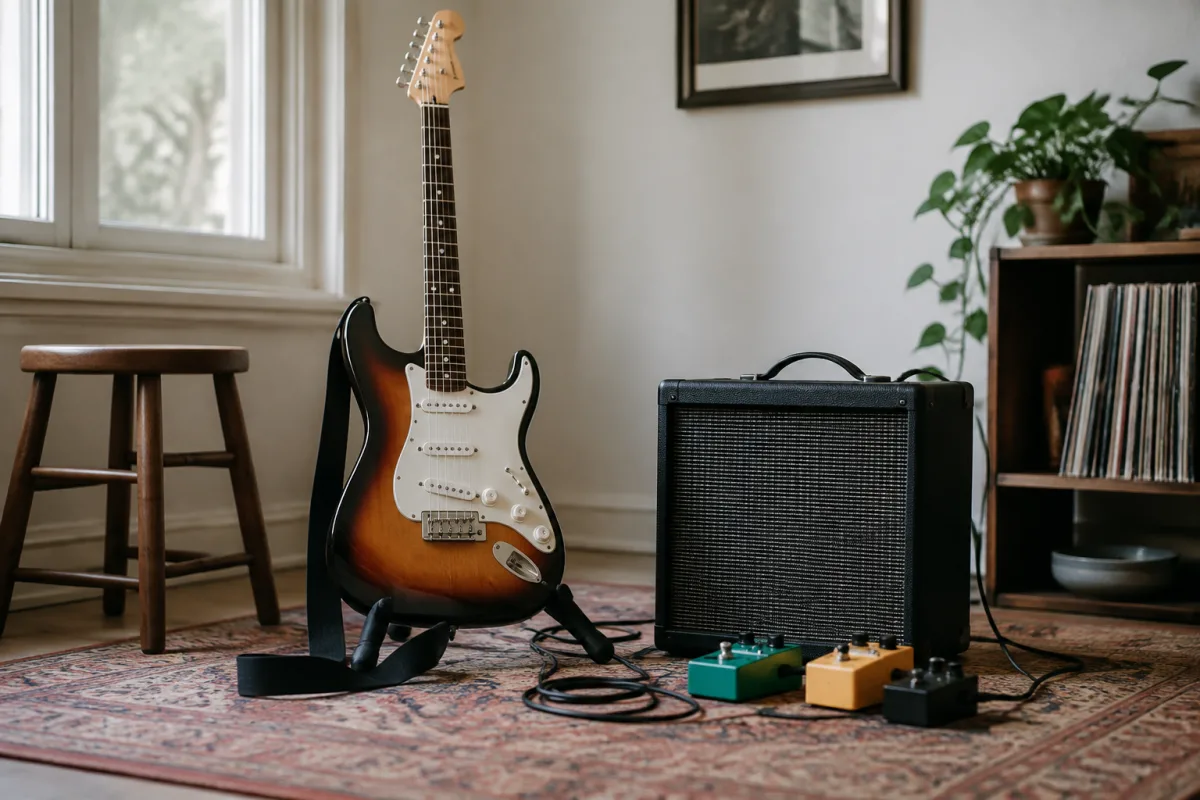
Beginning musicians often feel overwhelmed by gear choices. You see professional musicians with racks of equipment and assume you need the same. You don't. Most beginner gear anxiety stems from confusion about what's necessary versus what's aspirational. This guide clarifies exactly what you actually need to start learning an instrument confidently, what can wait, and which common gear mistakes waste money. By the end, you'll confidently identify genuine priorities and ignore everything else.
What Beginners Actually Need (And What They Don't)
Your Instrument. This is non-negotiable. You need something to play. For beginners, a modest student-grade instrument is sufficient. Professional-grade instruments cost 2–10 times more than student models and don't improve learning; they improve how a skilled player sounds. A £150–300 student guitar teaches you just as much as a £2000 professional guitar—the learning curve is identical. Invest in your instrument, but buy within beginner expectations.
A Music Stand. If you're reading sheet music, a music stand costs £15–40 and prevents neck strain from constantly looking down. It's genuinely useful from day one. Not essential, but worth having.
A Tuner. All instruments need tuning. A tuner costs £10–40 depending on type. Get a basic one. Fancy tuners with extra features don't tune better; they just cost more.
Basic Maintenance Items. Cleaning cloth, rosin (for bowed instruments), valve oil (for brass), or the appropriate maintenance gear for your instrument. Total cost: £20–50. These prevent damage and keep your instrument playable.
A Music Lesson or Tutorial System. Not physical gear, but essential investment. Lessons cost £20–40 per hour; learning apps cost £5–15 monthly; YouTube is free. At minimum, invest in something—teacher guidance or structured learning. This prevents developing bad technique that wastes months correcting later.
A Music Book or Practice Resource. Method books (step-by-step learning guides) cost £10–30. Worth it for structure. Alternatively, free online resources work if you're disciplined about following them.
Total Real Beginner Gear Cost: £150–400 for a basic student instrument, tuner, music stand, maintenance items, and learning resources. That's genuinely all you need to start learning seriously.
What Beginners Don't Need (Yet)
Expensive Accessories. Fancy straps, premium picks, designer cases, and specialty stands make you feel professional but don't improve learning. A £3 guitar pick sounds identical to a £15 pick. A basic gig bag (£30–50) protects your instrument as well as an expensive hard case (£100–200) at the learning stage.
Effects Equipment. Beginners hear professional musicians with effects pedals, amp modellers, and processors and assume these are essential. They're not. Learn basic playing first. Effects add 5% to your sound; your fundamentals contribute 95%. After 1–2 years of solid foundation, effects become interesting. Starting with them is like buying racing stripes before learning to drive.
Multiple Versions of Your Instrument. "Should I buy two guitars?" No. One good student instrument is sufficient. You'll rarely need backup for learning; investing in two dilutes your attention rather than accelerating progress. Buy a backup after 5+ years when a second instrument serves a genuine purpose.
Premium Amplification. Musicians buying their first electric guitar often assume they need a £300+ amplifier. A beginner needs any amp; £50–100 solid-state practice amps work perfectly. Professional amps suit touring and studios; they don't improve learning. Save high-end amp money for after you've decided electric guitar is a lifelong commitment.
Microphones and Recording Equipment. Tempting but premature. Learn your instrument first. Recording comes later after you're comfortable performing. A £200 recording setup gathered after two years of progress serves you far better than the same investment upfront before you know whether you'll stick with music.
Common Beginner Gear Mistakes
Mistake 1: Buying Cheap Instruments to "Try Out." A £30 guitar sounds awful, feels terrible, and discourages learning. Beginners quit not from lack of talent but from playing instruments so poor they're genuinely unpleasant. Spend £150–250 on a basic student instrument that sounds and feels acceptable. That £120 extra investment prevents discouragement-driven quitting.
Mistake 2: Assuming More Expensive = Better for Learning. A £1000 professional guitar doesn't teach you more than a £250 student guitar. A professional amp doesn't teach you faster than a practice amp. Spending excessively on gear doesn't compress the learning timeline; it just wastes money. Invest proportionally to your commitment level: student gear for learning, professional gear after years of dedication.
Mistake 3: Buying Accessories Before Basics. Beginners often buy fancy stands, expensive cases, premium strings, and specialty items before securing solid lessons. Prioritise learning > instrument quality > accessories. A beginner with a £150 instrument and £30/lesson teacher beats a beginner with a £500 instrument and YouTube learning.
Mistake 4: Treating Gear Acquisition as Hobby Progress. Buying new pedals, cables, stands, or equipment feels like productivity but isn't. You improve at music by practising, not shopping. Distinguish between genuine needs and gear acquisition therapy. Time spent researching equipment is time not spent practising.
Mistake 5: Investing in Niche Gear Before General Fundamentals. Beginners sometimes buy specialised gear for advanced techniques (effects, MIDI controllers, interface equipment) before mastering basics. This is backwards. Specialised gear serves players who've mastered fundamentals and need it for specific purposes. Master your instrument first; specialise later.
The Honest Timeline for Gear Investment
Months 0–3 (Learning Basics). Student-grade instrument (£150–250), tuner (£20), music stand (£20), lessons (£100–200 for 4–8 lessons), basic maintenance items (£20). Total: £300–490. Everything else is optional.
Months 4–12 (Building Foundations). Your initial gear is still sufficient. You might upgrade to slightly better strings (if initial quality felt cheap) or add a music book (£15). Total additional: £0–30. Most learners add nothing new; their initial gear lasts comfortably.
Year 2 (Establishing Commitment). After 18–24 months of consistent practice, you might identify specific needs—a better strap (£20), an additional stand for group playing (£15), or maybe a slightly better instrument (£300–500 upgrade). This is considered, not impulse-driven. Total: £0–500 depending on identified needs.
Year 3+ (Specialisation). Once you've committed years to music and identified specific directions (amplified performance, recording, specific genres), specialised gear makes sense. That's when professional equipment, effects, recording interfaces, or genre-specific tools become genuinely useful.
Early gear spending should be minimal. Meaningful investment comes after establishing commitment and identifying actual needs.
Beginner Gear Selection Checklist
Before buying anything beyond your instrument and lessons, ask:
- Is this essential for learning, or just convenient?
- Does this address a specific problem in my current practice?
- Am I buying this to feel professional, or because I genuinely need it?
- Can I learn adequately without this for 6–12 more months?
- If I quit music in 6 months, would I regret this purchase?
- Is this the cheapest reliable option, or am I paying for brand reputation?
- Does my teacher recommend this specifically for my instrument/stage?
If you answer yes to most of these, it's probably a genuine need. If you answer no to several, it's probably optional.
Building Your Beginner Gear Kit Systematically
Week 1: Essential Foundation. Purchase your student-grade instrument (try in-store if possible), tuner, and arrange lessons. Music stand is optional but recommended. Total: £300–350.
Week 2: Learning Setup. Get a beginner-friendly method book or access to online learning resources (free or £5–10 monthly). This completes your learning infrastructure.
Week 3–4: Maintenance. Buy appropriate maintenance items for your specific instrument (cleaning cloth, rosin, oils, etc.). Learn proper cleaning and maintenance. This prevents damage.
Weeks 5+: Gradual Additions. Play for 4–6 weeks before buying anything non-essential. Most learners discover genuine needs emerge naturally once they've practised. Only buy accessories addressing identified problems.
The Perspective That Matters Most
Professional musicians didn't become excellent because they owned premium gear. They became excellent because they practised obsessively with whatever gear they had. Your learning speed is determined 95% by your practice consistency and 5% by your equipment quality. Spending £500 on gear without committing to 30 minutes daily practice is wasted money. Spending £300 on gear and practising daily is an investment.
Start simple, buy essentials, and expand only when you've identified genuine needs from months of playing. The musicians who excel are those who played consistently from day one with basic gear, not those who optimised their equipment collection before committing to practice.
For a comprehensive overview of different music gear categories, what each serves, and detailed recommendations for specific instruments and goals, see our complete guide to music gear. That resource covers professional-level equipment, specialised tools, and how different gear choices serve advanced musicians and specific musical purposes.
Start with basics, practise consistently, and add gear only when you've identified genuine needs. That approach prevents buyer's remorse and keeps your attention where it matters—your instrument and your playing.


Comments