
Baroque music is an early classical style known for counterpoint, ornamentation and expressive harmonic movement.
- 13 articles
- Music Genres (General)
Articles on Baroque Music
All news

The History of Baroque Music
How a Florentine argument about clarity in singing grew, over a century and a half, into the Baroque period we know today.


Baroque Music Subgenres, Explained
Concerto, cantata, fugue and more: the straight-talking difference between every major Baroque form, no jargon left unexplained.


Essential Classical Music Albums Explained
The essential classical music albums worth knowing, era by era, and a practical guide to choosing between the many recordings of each.


Essential Baroque Music Albums Explained
The collections and large-scale works that reward being heard whole, from Vivaldi's Four Seasons to Handel's Messiah.
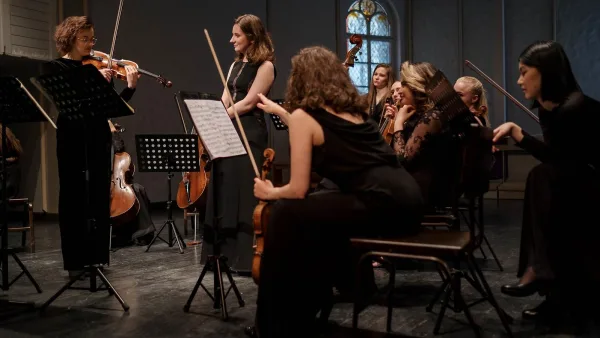

Classical Music Subgenres, Explained
From Baroque to minimalism: a map of the main classical styles, sorted by era, by performing forces, and by twentieth-century departures.

The History of Concerto
Four centuries and at least five major reinventions — here's how the form actually evolved, from Baroque Italy to the modern orchestra.


The Best Baroque Music Songs Right Now
The individual pieces of Baroque music that land on first listen, no context or homework required.


The Best Classical Music Artists to Know
A working shortlist of essential classical composers, from Baroque trailblazers to modern figures and names standard lists too often leave out.


Baroque Music for Newcomers: Where to Start
No theory, no jargon: five pieces and two listening habits to get you properly into Baroque music this week.

Concerto Subgenres, Explained
Treat every concerto as one interchangeable shape and you'll miss most of what makes the form interesting. Here's how it actually splits up.
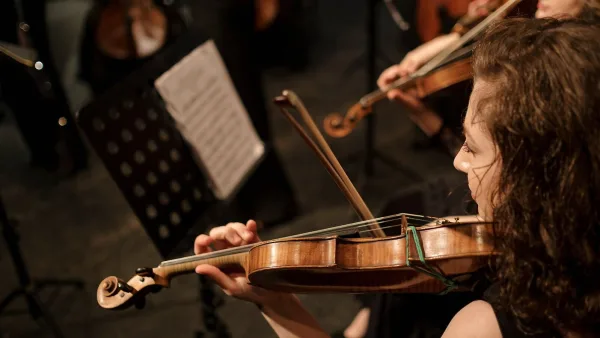

A Beginner's Guide to Baroque Music
What Baroque music actually is, the sound that ties it together, and the composers worth knowing before you dig any deeper.

The History of Classical Music
From plainchant to Stravinsky: a chronological walk through classical music history, era by era, and why the order still matters.


The Best Baroque Music Artists to Know
Six Baroque composers who explain the entire appeal of the era on their own, and where to start with each of them.

Baroque music period
Baroque music refers to the style of European art music that flourished roughly from the early seventeenth to the mid-eighteenth century. It is known for counterpoint, ornamentation, strong harmonic direction and expressive contrast. The baroque music category is useful for UK musicians, students and listeners exploring early keyboard works, orchestral repertoire, choral writing and historically informed performance.
Compositional features
Baroque music often includes figured bass, dance forms, fugues, concertos and elaborate melodic decoration. Instruments such as harpsichord, organ, violin, recorder and theorbo frequently appear alongside early orchestral forces. The baroque music category helps organise repertoire that values structure, clarity and ornate detail, whether in sacred works, chamber music or large-scale concert pieces.
Modern relevance
In the UK, baroque music remains central to conservatoires, concert halls and specialist ensembles. The baroque music category also supports searches for period instruments, strings, continuo gear and educational resources for musicians working with historical repertoire.

Tango
Tango is a dramatic dance music style with strong rhythm, expressive phrasing and a distinctive emotional intensity.

Barbershop
Barbershop is a close-harmony vocal style with bright chords, precise ensemble blend and a classic a cappella sound.

Samba
Brazilian rhythm-led genre with rich percussion, syncopation and strong live energy for ensembles and carnival-style per...

Gothic
Gothic music spans dark, dramatic styles across rock, metal and alternative scenes. It links music, mood and visual iden...

Avant Garde
Avant garde music pushes beyond familiar styles with experimental sounds, unusual structures and sonic risk-taking.

Glitch
Glitch is an experimental electronic genre built from clicks, skips and digital artefacts. It suits adventurous producer...

Calypso
Calypso is a rhythmic Caribbean style built on storytelling, vocals and lively percussion with strong cultural roots.

Phonk
Phonk is a dark, sample-led style built on heavy bass, chopped textures and gritty beats.

Americana
Americana blends folk, country, blues and roots rock into storytelling-led music with an acoustic, lived-in feel.

Meditation Music
Calm, slow-moving music for mindfulness, relaxation, yoga and peaceful listening environments.

Minimalism
Minimalism uses repetition, gradual change and sparse materials to create focused contemporary music.

Symphony
Symphony covers large-scale orchestral works with structured movements, rich instrumentation and formal classical writin...


