


Disco Music article
A Beginner's Guide to Disco Music
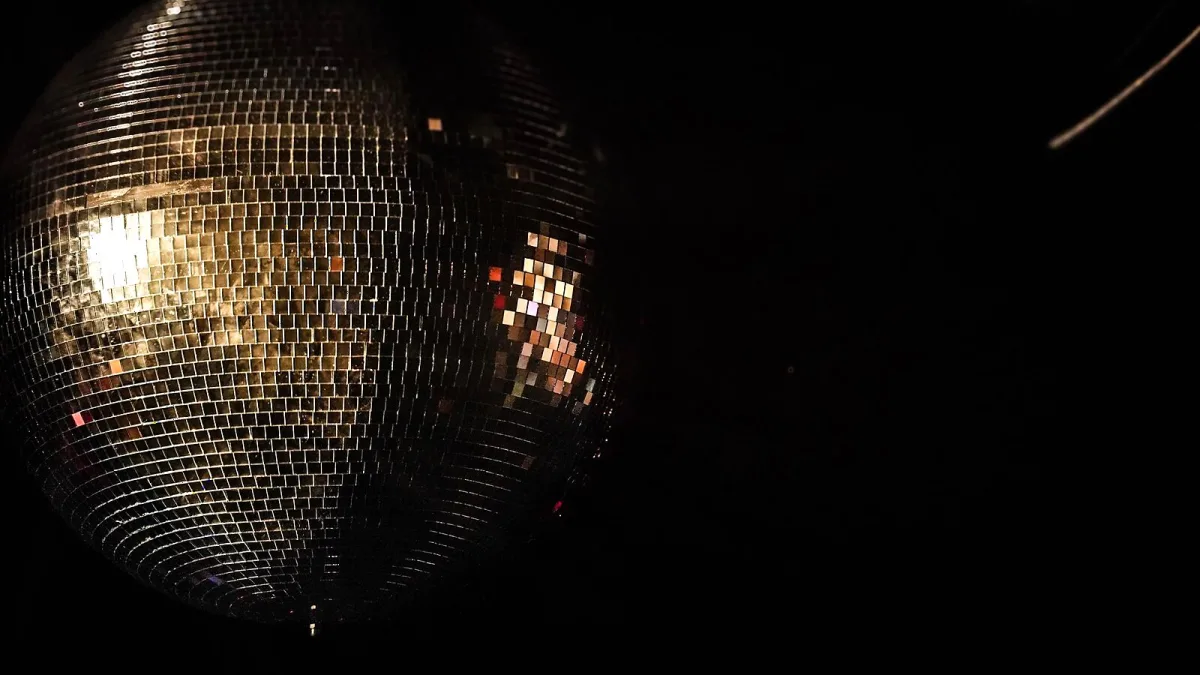
Disco is a beat-driven dance genre that emerged from the Black, Latino and LGBTQ+ nightclub communities of 1970s America, becoming one of the most influential sounds in popular music. Built on the steady pulse of the four-on-the-floor beat—a bass drum hitting hard on every quarter-note—disco combined funk, soul, R&B and orchestral arrangements into something designed entirely for movement and collective joy. Whether you're curious about the genre's foundations or want to understand how it shaped the electronic music that came after, this guide gives you the real story of disco music, stripped of the myths and delivered with genuine warmth for the culture that created it.
What Defines Disco Music?
Disco isn't just a rhythm or a sound—it's a complete package built from the ground up for dance floors. The defining feature is that four-on-the-floor beat, which creates an unstoppable forward momentum. Around that pulse, you find syncopated basslines that move and breathe, clean electric rhythm guitars laying down percussive chord strokes, strings and horns that rise and fall to lift the mix, and vocals ranging from intimate whispers to gospel-influenced shouts and group celebrations.
Most recordings sit between 110 and 130 beats per minute, though slower and faster versions absolutely exist. The real key isn't the tempo—it's the arrangement. A successful disco track was designed first and foremost for the dance floor. The introduction gave dancers and DJs time to lock in. The groove had the repetition to sustain dancing for ten minutes or more. The strings, horns and percussion created motion and drama without ever disrupting the bottom-end pulse that DJs and dancers depended on.
Where Disco Came From
Disco music didn't arrive fully formed on some producer's desk. It evolved through Black and Latino nightclubs in New York and Philadelphia, where DJs, dancers, musicians and studio engineers worked together to build a sound that served the dance floor first and everything else second. These weren't radio-first recordings—they were built in clubs, tested on real dancers, and refined by the people who understood what the floor needed.
New York brought an eclectic, remix-led approach. DJs edited existing soul, funk and R&B records, played them back-to-back and extended them with live percussion and vocal overdubs. Philadelphia took a different path. Studio musicians and producers working at Philadelphia International Records developed a more orchestral, harmonically sophisticated sound, with arranged strings, horn sections and tightly locked rhythm sections. Both approaches were essential—the New York remix culture proved disco's flexibility, while Philadelphia showed its sophistication and craft.
The Sound of Disco: Building Blocks
The heart of disco music is the rhythm section. Earl Young, a drummer with the Philadelphia studio collective MFSB, became central to locking down the four-on-the-floor kick with precision hi-hat work and dynamic snare placement. The bass was rarely just following the kick—it syncopated, anticipated chord changes, used octave displacement and created melodic movement. Listen to the bass parts on Chic records and you hear a conversation between kick and bass, not mere doubling.
Above that foundation sat clean rhythm guitar, usually muted and percussive, laying down staccato chord strokes that sit beautifully between the kick and snare. Strings were never decorative—they provided dramatic rises, sustained harmonic pads and countlines that shaped the track's emotional arc. Horns added sharper punctuation and riffs. The whole mix came together with layered, call-and-response vocals, building from the intimate to the celebratory.
The Rise and Mainstream Success
Donna Summer's "Love to Love You Baby," produced by Giorgio Moroder and Pete Bellotte, became one of the first disco records to cross over to mainstream radio, particularly with the 1975 release. Gloria Gaynor's "Never Can Say Goodbye" had already established the genre's emotional depth. But it was the Bee Gees' contributions to the "Saturday Night Fever" soundtrack in 1977, combined with massive hits from Chic and the sheer cultural visibility of clubs like Studio 54 in New York, that made disco a global pop phenomenon.
By 1977 and into 1978, disco was everywhere—on radio, in film, on television, in advertising and fashion. It was simultaneously celebrated as the most exciting music happening and resented by those hostile to the genre's mainstream dominance and the Black, Latino and LGBTQ+ communities at its heart.
The Backlash and What Came After
The decline of disco's chart dominance is often dated to Disco Demolition Night, held at Chicago's Comiskey Park on 12 July 1979. That event has been treated as the moment disco "died," but the reality is more complex. The genre's mainstream presence did decline, but the music never stopped. DJs and producers carried its rhythm section, bass language, string writing, remix techniques and club formats directly into post-disco, garage, house music and everything that followed.
Listen to early house music from Chicago in the mid-1980s and you hear disco's four-on-the-floor, extended instrumental sections and DJ-friendly formats absolutely present. Contemporary pop still borrows its basslines, string arrangements and rhythmic guitar without being marketed strictly as disco. The genre shaped electronic dance music, Hi-NRG, nu-disco and the way modern producers think about groove, arrangement and the relationship between the studio and the dance floor.
Conclusion
Disco music emerged from real communities, real dance floors and real needs. It wasn't a marketing invention or a studio exercise—it was built by and for Black, Latino and LGBTQ+ people in American cities, and it changed popular music forever. Understanding disco means understanding the culture that created it, the musicians who refined it and the lasting impact it had on how pop, electronic music and dance music are made today. Whether you're drawn to its immediacy, its orchestral sophistication or its pure joy, disco remains one of the most human, most generous and most influential sounds in twentieth-century music.






Comments