


Orchestral Music Stand article
Orchestral Music Stand for Beginners: A Complete Guide
Starting orchestra? A proper orchestral music stand improves focus and stability during rehearsals. Discover what makes a good stand, height and angle considerations, portability options, and beginner setup tips.
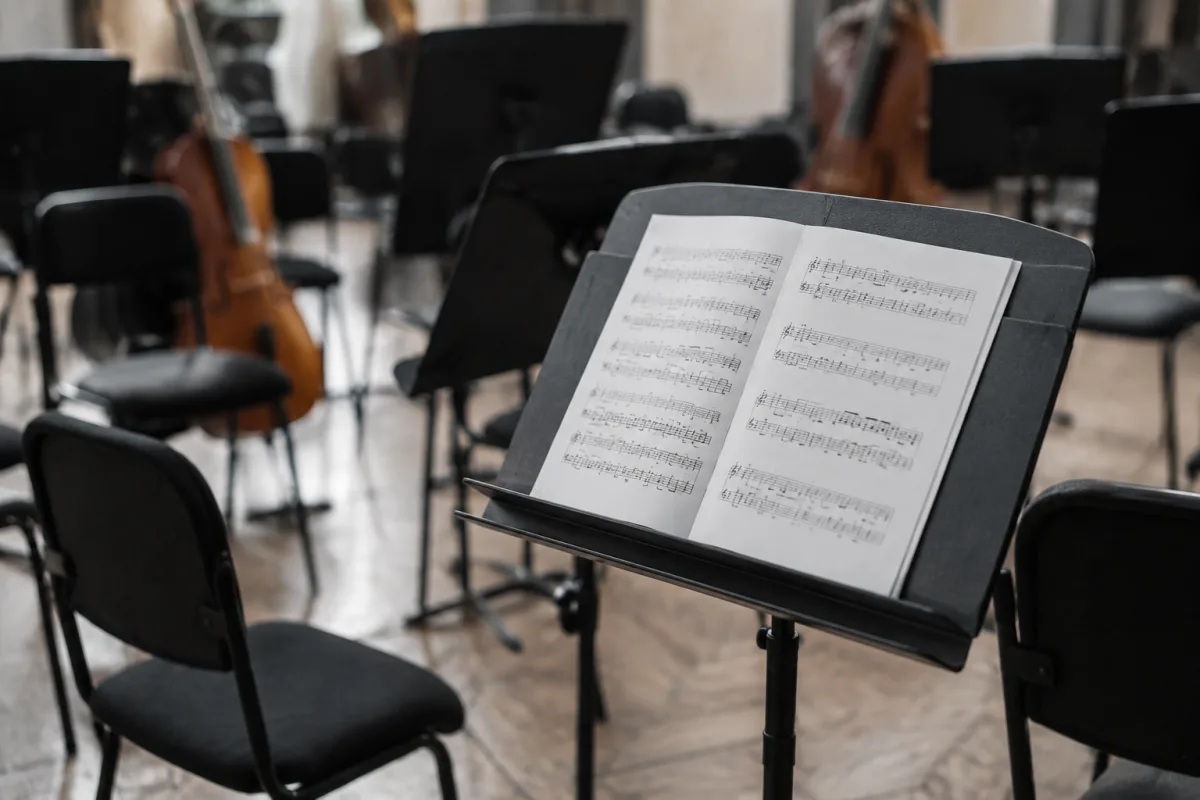
You've joined an orchestra or chamber ensemble, and suddenly you need a music stand—a piece of equipment you've never really thought about. You might assume any stand will do, but a quality orchestral music stand transforms your performance experience. As a beginner transitioning from solo practice to ensemble playing, the right stand removes friction and lets you focus on making music with others. This guide helps you choose confidently without overthinking.
Why an Orchestral Music Stand Matters
A proper orchestral music stand does two things: it holds your sheet music where you can see it without disrupting your playing position, and it stays stable as you turn pages and shift your grip. A flimsy stand wobbles with every page turn, distracting you and potentially embarrassing you in front of ensemble mates. A quality orchestral music stand becomes invisible—you stop thinking about it and focus on the music.
The difference between a cheap music stand (£10–£20) and a proper orchestral music stand (£35–£70) is surprising. Better stands use heavier materials, more stable bases, and smoother adjustments. As a beginner, this is one piece of equipment that genuinely pays dividends in confidence and comfort.
Stability: The Non-Negotiable Feature
An orchestral music stand must not wobble or drift during rehearsal. When the stand is stable, you can concentrate completely on your instrument and your section. Instability creates anxiety—you're constantly aware of the stand's position and worried it might collapse during your important solo passage.
Heavy bases provide stability. Look for stands with bases at least 30cm wide and made of metal or dense materials. Some stands have tripod legs that spread wide; others have a single vertical post with a broad foot. Both designs work if the base is substantial enough. Test the stand by gently pushing the upper arm; a quality orchestral music stand won't shift noticeably.
Height adjustment should be smooth and hold firm without constant re-adjustment. Some orchestral music stand models use friction locks (tighten a knob), others use quick-release pins. Both work; choose whichever feels more intuitive to you.
Music Plate Size and Reading Comfort
The music plate (where your sheet music rests) should accommodate a full page without curling or drooping at edges. Standard music is 8.5" × 11" or A4 size. A plate smaller than 50cm wide forces you to reposition music constantly, which disrupts concentration.
Some orchestral music stand models have adjustable angles, allowing you to tilt the music plate toward you for better sight lines without arching your neck uncomfortably. Adjustable angle is a convenience rather than necessity, but it's a sign of thoughtful design. Test angle adjustment when possible—some stands offer smooth adjustment, others resist or require fiddling.
The music plate height should adjust from roughly waist height to roughly eye level when seated. Beginners sometimes don't realise how dramatically the wrong height affects playability. Music too high causes neck strain; too low forces you to look down, compromising your posture and breathing.
Portability vs. Stability Trade-offs
Portable orchestral music stands (often lightweight aluminium) prioritise easy transport over ultimate stability. These suit musicians who travel frequently to rehearsals or gigs. They're usually £30–£50 and manage fine in most rehearsal settings.
Heavy-duty orchestral music stands (steel construction, dense bases) prioritise absolute stability over portability. These cost £60–£120 and suit permanent installations or musicians unconcerned with transport. A heavy stand is overkill for occasional rehearsals but comforting for perfectionist players worried about stability.
Most beginners choose mid-range portable models that balance stability and ease of transport. You'll carry the stand from your home to rehearsal weekly or more often, so portability does matter.
Practical Setup Tips
Position your orchestral music stand slightly to the left of centre (if you're right-handed), angled so you can see the music peripherally without turning your head. This allows your eyes to track both the music and your conductor. Experiment with positions during practice to find what works for your instrument and posture.
Use a music stand light if rehearsal spaces are poorly lit. A small LED clip-on light (£10–£15) mounts directly to your orchestral music stand and eliminates squinting. Beginners often overlook this, then discover their frustration with reading music disappears with better lighting.
Mark page turns in your part if pieces are complicated. Use a pencil to highlight exactly where you turn pages, reducing the moment of distraction and fumbling.
Test your stand's foot position in your rehearsal space. Some venues have uneven floors, and your orchestral music stand might lean unless positioned carefully. Allow an extra minute during your first rehearsal to find the perfect spot.
Common Beginner Mistakes
Buying the cheapest music stand available is false economy. A £12 stand that wobbles every time you turn a page ruins your focus. Spend £40–£50 and get stability you'll appreciate every single rehearsal.
Assuming any stand will work for orchestral use is another mistake. Small portable stands designed for reading recipes in kitchens aren't structurally suitable for musical instruments. Specifically choose an orchestral music stand, not a generic stand.
Neglecting height adjustment causes posture problems. Spend 60 seconds adjusting your orchestral music stand's height to sit comfortably with your instrument. Bad posture accumulates tension that interferes with playing and causes injury over time.
Forgetting that music stands occasionally need cleaning leads to forgotten debris and sticky knobs. Wipe your stand occasionally; it's minimal maintenance that keeps everything functioning smoothly.
Building Confidence in Ensemble Settings
A reliable orchestral music stand is one less thing to worry about as you navigate the transition from solo playing to ensemble work. Beginners often feel nervous in their first orchestra rehearsals; removing equipment-related distractions lets you focus on listening, blending, and following the conductor.
Your choice of orchestral music stand signals respect for the experience. When you arrive with a quality stand that stays stable and doesn't distract, you're communicating that you take the ensemble seriously. It's a small professional touch that seasoned musicians notice and appreciate.
For detailed guidance on orchestral music stand specifications, advanced features, and venue-specific recommendations, explore our complete guide to orchestral music stands. You'll understand the engineering and design choices that separate adequate stands from excellent ones.


Comments