


Orchestral Music Stand Buying guide
Orchestral Music Stand: A Complete Buyer's Guide
Finding the ideal orchestral music stand requires balancing stability, adjustability, and portability with your performance budget and venue requirements.
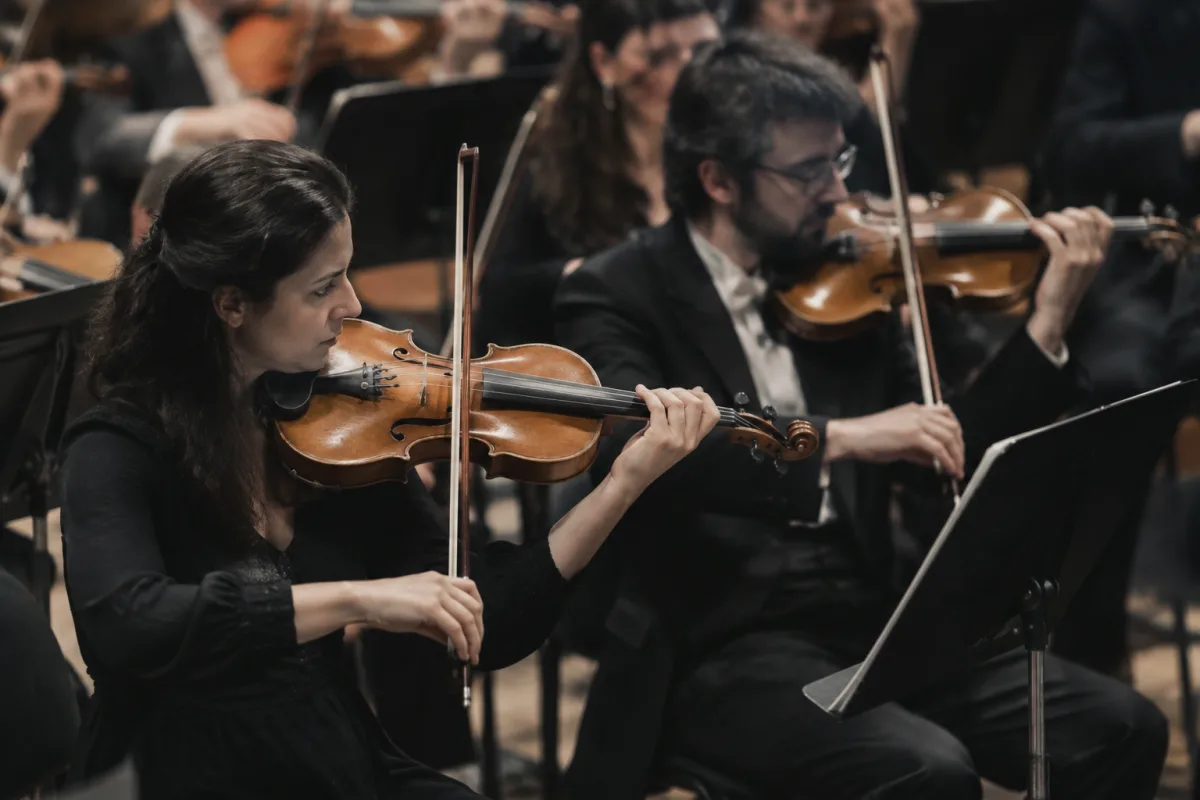
Finding the ideal orchestral music stand requires balancing stability, adjustability, and portability with your performance budget and venue requirements. Whether you're a soloist, orchestral musician, or music educator, selecting the wrong stand can distract from your playing or damage your music, making this purchase decision more important than you might think.
Material and Construction: What Sets Quality Apart
Orchestral music stands range from aluminium models (lightweight, affordable, prone to wobbling) to sturdy steel and wooden construction (heavier but rock-solid). Premium orchestral music stands often feature cast iron bases paired with aluminium or wooden poles, combining durability with reasonable portability. The desk surface matters too—thicker materials resist bending under heavy sheet music stacks. Budget stands use flimsy plastic clips that damage pages; professional orchestral music stand models feature padded clamps protecting valuable scores.
Height and Adjustability Essentials
Most orchestral music stands adjust from around 65 cm to 130 cm, accommodating both seated and standing musicians. However, range alone isn't enough—smooth, tool-free adjustments matter during rehearsals and performances. Look for stands with fine-tuning mechanisms rather than crude, stepped adjustments. A quality orchestral music stand should allow effortless tweaks without collapsing mid-performance. Width adjustment is equally important: wider desks (at least 50 cm) accommodate large orchestral scores and chord charts without page overlap.
Comparing Base Types and Stability
| Base Type | Stability | Portability | Ideal Use |
|---|---|---|---|
| Tripod (aluminium) | Moderate—prone to tilting | Excellent—compact and light | Rehearsals, travel, occasional performances |
| Weighted Base (steel/cast iron) | Excellent—resists movement | Poor—heavy and bulky | Professional orchestras, permanent venues |
| Folding Base (hybrid) | Good—balanced design | Good—folds for transport | Gigging musicians, session work |
Common Pitfalls When Purchasing an Orchestral Music Stand
Buyers often underestimate how much music sheets weigh—a thick orchestral score can load 2+ kilos onto a flimsy stand, causing it to collapse or tilt dangerously. Choosing aluminium tripods for heavy classical orchestral music stands is a false economy; they wobble under any real load. Another mistake is ignoring clip quality—cheap plastic clips bend or crack, ruining manuscript pages or damaging original printed scores. Musicians working in ensembles sometimes forget that their stand will sit alongside 30 others on a concert platform; proportions and footprint matter more than solo practice.
Professional vs. Student Orchestral Music Stand Models
Entry-level orchestral music stands (£20–50) suit casual players and students but sacrifice stability and durability. Intermediate models (£50–150) balance affordability with adequate construction, working well for semi-professional musicians and rehearsal rooms. Professional stands (£150–400+) feature reinforced bases, premium materials, and fine adjustments, justified by orchestral use and gigging demands. The best orchestral music stand investment depends on frequency of use: daily players benefit from premium durability; occasional rehearsal musicians can manage with mid-range options.
Specialised Features for Orchestral Musicians
Some orchestral music stands include integral reading lights, essential for low-lit concert halls. Others offer angle-locking mechanisms preventing accidental tilts. Detachable bases allow quick configuration changes between seated and standing arrangements. A notable upgrade is the book holder attachment, standard on many professional orchestral music stand models, eliminating the need for separate notation holders. Assess which features justify the cost premium for your specific scenario.
Portability and Storage Considerations
For gigging musicians and orchestral players travelling to performances, an orchestral music stand's packed size matters greatly. Compact folding designs collapse to 100 cm lengths, fitting easily into instrument cases or car boots. Fixed-base stands occupy substantially more space but remain stable in permanent installations. Canvas carrying bags add £15–30 but protect both the stand and your equipment during transit. Heavier weighted bases reward durability but punish frequent transport.
Making Your Selection: What Orchestral Musicians Prioritise
Solo classical players can manage lighter, portable orchestral music stands. Orchestral ensemble members need robust bases resisting bumps from neighbouring musicians. Music educators favour stands accommodating diverse sheet sizes and rapid adjustments during lessons. Venue managers benefit from wheeled models or stackable designs. For comprehensive foundational guidance, review the ultimate guide to Tiger orchestral music stand options. Test your shortlisted stands with actual sheet music before committing—lightweight cardboard samples won't reveal wobbling under real orchestral scores.


Comments