


Musician Ear Plugs article
Musician Ear Plugs for Beginners: A Complete Guide
Protect your hearing while learning to play music. This beginner's guide to musician ear plugs explains types, fitting, common concerns, and how to build the ear protection habit early in your musical journey.
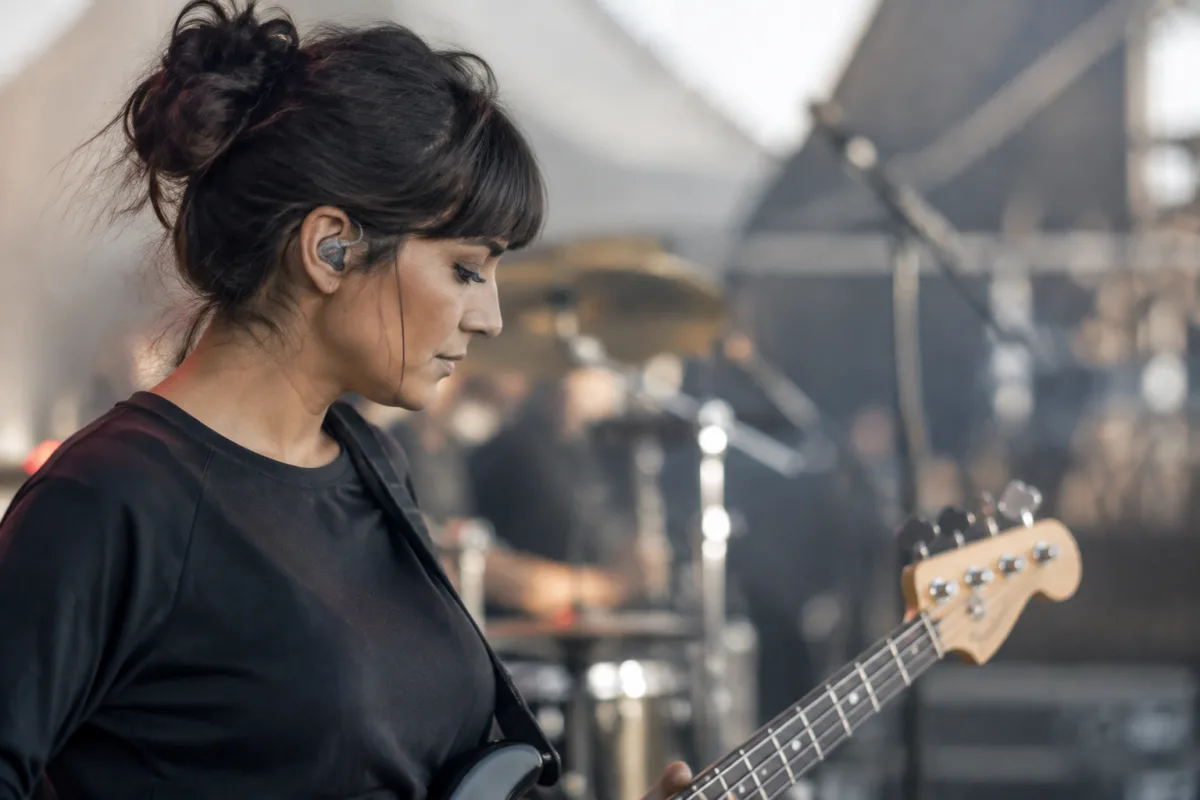
If you're new to playing music—whether live or in rehearsals—you might be thinking about ear protection and feeling uncertain about where to start. Here's the honest truth: protecting your hearing as a musician isn't just sensible, it's essential. But the world of musician ear plugs can feel confusing, with endless options and technical jargon. This beginner's guide cuts through the noise and shows you exactly what you need to know to hear your own music safely, right from the start.
Why Musician Ear Plugs Are Different
You might already own foam earplugs you've used at airport security or a noisy pub. Those won't work for music. Standard foam plugs block sound indiscriminately, making music sound muffled and distant—like listening through a pillow. Musician ear plugs are different. They're specifically engineered to let you hear music clearly while protecting you from damage. They reduce dangerous volume levels without changing how the music sounds.
The key difference: musician ear plugs use filters that work at different levels depending on how loud the sound is. Quiet sounds pass through naturally; loud sounds get attenuated. This means you can hear your bandmate's subtle bass line and still protect your ears from the drummer's crash cymbal.
Understanding the Basic Types
As a beginner, you don't need to memorise complex specs. There are really only three categories of musician ear plugs, and understanding the difference is all you need.
- Passive musician plugs: These use fixed filters to reduce sound by a set amount (often 15-20dB). They're affordable, don't require batteries, and work well for quieter rehearsals or acoustic settings. Think of them as the reliable starter option.
- High-fidelity (hi-fi) plugs: These are passive plugs engineered specifically for music, with better sound quality than basic options. They cost more but deliver noticeably cleaner audio. Many professional musicians use these at rehearsals and smaller gigs.
- In-ear monitors with protection: Some in-ear monitor systems built for performers include ambience microphones that let you hear the live room while controlling volume through headphones. These are overkill for beginners but worth knowing exist.
For most beginners, passive or hi-fi plugs are the right choice. You'll decide between them based on budget and how much you care about audio fidelity.
Your First Purchase: What Actually Matters
When you're shopping for your first musician ear plugs, these factors will actually make a difference:
- Noise reduction rating (NRR): This number (typically 15-25) tells you how much volume the plugs reduce. For rehearsals and most small gigs, 15-20dB is plenty. Don't obsess over the highest number—more reduction doesn't always mean better protection if the plugs don't stay in properly.
- Fit and comfort: Plugs only work if they stay in your ear and feel comfortable during a 2-hour session. Many manufacturers offer multiple sizes of ear tips. If they hurt after 30 minutes, try different sizes or a different brand. This matters more than you think.
- Sound quality: Budget plugs can make music sound dull and lifeless. If you're paying more, it's almost always for better sound. This is worth the extra cost if you're playing multiple times weekly or performing live.
- Price point: You don't need to spend £200 on premium custom-moulded plugs as a beginner. Universal-fit options in the £20-60 range deliver excellent protection and sound quality for learning.
Getting the Right Fit (Easier Than You Think)
The most common mistake beginners make is buying plugs that are the wrong size. Your ears are unique, and so is your ear canal. Fortunately, finding the right fit is straightforward.
Most musician ear plugs come with multiple sizes of silicone or foam tips. Here's how to find yours:
- Start with the middle size—that's where most people land.
- Insert the plug gently into your ear canal at an angle (slightly upward toward the back of your ear).
- Gently twist and push until it creates a seal. You'll feel slight resistance when it sits properly.
- If it falls out easily or feels loose, try the next size up. If it's uncomfortable, try the size down.
- The right fit should feel snug but not painful. You should feel a slight seal inside your ear canal, but your ear shouldn't ache.
Spend five minutes getting this right. Plugs that fit well are plugs you'll actually wear.
Your First Week: Building the Habit
Wearing ear plugs while playing is new, and your brain will notice them. This is normal. Most musicians need a week of rehearsals or gigs to adjust. Here's what to expect:
- Days 1-3: The plugs might feel strange. You'll be very aware of them. This passes.
- Days 4-5: Your brain starts adapting. The plugs feel less intrusive, and you're hearing the music properly for the first time with protection.
- Days 6-7: Most musicians report they've adapted and forget the plugs are there within a week of regular use.
If after a week they still feel uncomfortable or painful, try different sizes or a different brand. Don't push through genuine discomfort—that's your signal something isn't right.
Common Concerns (and the Truth Behind Them)
As you start using musician ear plugs, some doubts might creep in. Let's address the most common concerns:
- "Won't plugs make me feel deaf?" No. Hi-fi musician plugs preserve the full frequency range while reducing volume. Music still sounds like music—just quieter.
- "Will I miss hearing my bandmates?" Initially, maybe slightly. But within a week, you'll realise you're hearing your bandmates better because you're not straining to hear them over dangerous volume levels.
- "Are they expensive?" Quality musician ear plugs start around £20-30. Even premium universal-fit options are under £100. Compared to hearing loss treatment or dealing with tinnitus later, they're remarkably affordable.
- "What if they fall out during a performance?" Quality plugs stay in extremely well. If this happens, it's usually a fit issue—go back and try different sizes.
- "Won't they damage my ears?" Properly fitted musician ear plugs are completely safe. They're designed by acoustic engineers specifically to protect ears.
Caring for Your Plugs (So They Last)
Your musician ear plugs will last far longer if you treat them well. After each use, rinse silicone tips with warm water and dry them thoroughly. If you're using foam tips, replace them every few weeks—they degrade faster than silicone. Store everything in the case that comes with them, away from direct sunlight and extreme heat.
If you're storing plugs for a few days between gigs, clean them first and leave them to dry completely. Moisture left in the case can damage the electronics in hi-fi models.
When to Upgrade or Try Alternatives
Most beginners stay with their first pair of musician ear plugs for years. You might consider upgrading if:
- You're performing live regularly and want higher fidelity sound quality.
- You're having ongoing fit issues with universal models and want custom-moulded options.
- You're managing in-ear monitor systems and need more sophisticated audio control.
For now, a quality universal-fit pair gives you everything you need. Focus on protecting your hearing consistently rather than owning the fanciest gear.
The Bigger Picture: Hearing Health
Musician ear plugs are just one part of protecting your hearing. If you're playing in particularly loud environments or gigging multiple times weekly, consider having your hearing tested annually—many audiologists offer this service for musicians at reasonable rates. This gives you a baseline and helps you catch any changes early.
Also, give your ears breaks. If you've played a loud gig, skip the concert or club afterwards. Your ears need recovery time, just like your muscles do after exercise. Smart hearing protection and smart hearing habits work together.
Your First Pair: Making the Decision
Ready to order? Here's a simple framework: Unless you're sure you want premium sound quality, start with a trusted hi-fi brand in the £30-50 range. You'll get excellent protection, decent audio, and a comfortable fit. If you find you're playing music seriously and regularly after a few months, upgrading to premium options will be a worthwhile investment.
Remember, our detailed guide to musician ear plugs explores every technical aspect, brand comparison, and advanced considerations. For now, this beginner approach gets you protected and playing safely from day one.
Conclusion: Protect Today, Hear Tomorrow
Musician ear plugs might seem like a small decision in your musical journey. But the choice you make today—to protect your hearing right from the start—is one that will pay dividends for decades. Your ears are your most important instrument. Take care of them, and they'll serve you well.



Comments