


String Action Guitar Buying guide
String Action Guitar: A Complete Buyer's Guide
String action—the height of strings above the fretboard—determines playability more than most buyers realise. This guide explains the specs, how to measure action correctly, and how to evaluate it before you buy.
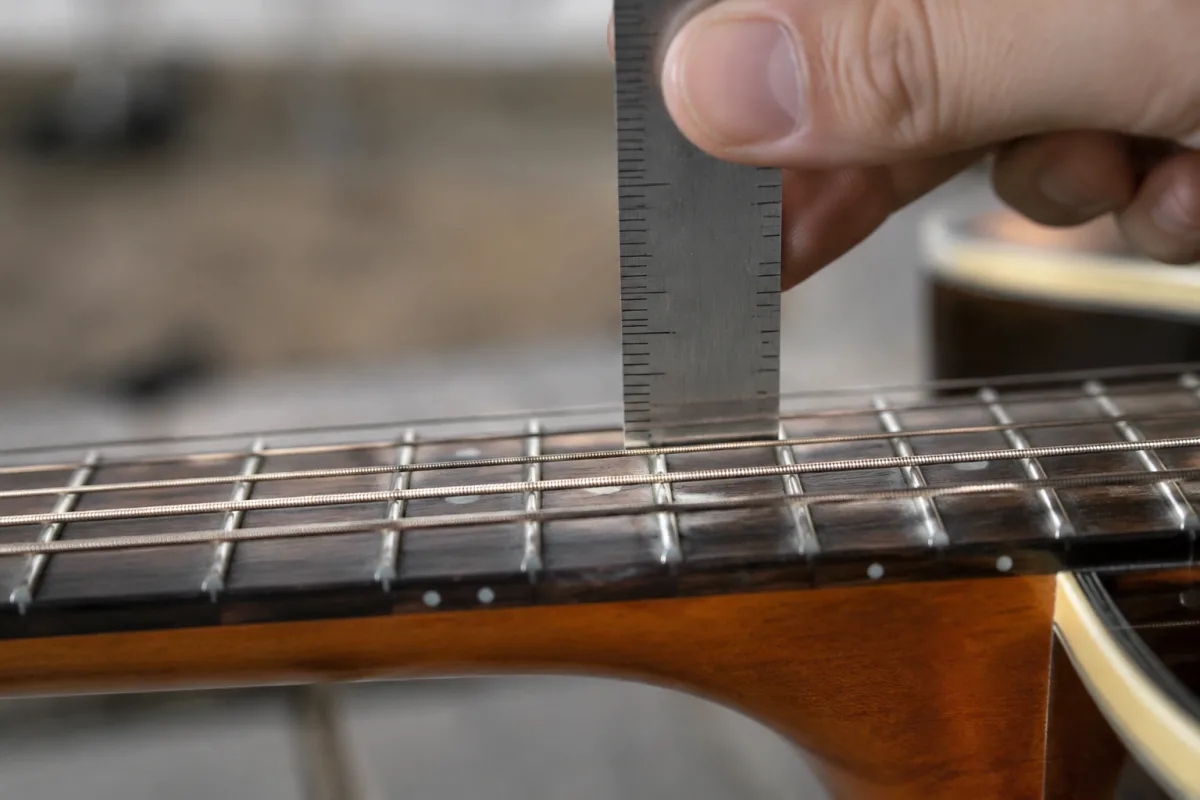
String action on a guitar is often overlooked when shopping, yet it's one of the most immediate factors affecting playability and comfort. Too high and your fingers hurt after 10 minutes of practice; too low and you get fret buzz that ruins tone. This buying guide walks you through what defines action, how to measure it properly, the trade-offs between different heights, and how to evaluate an instrument's playability before you commit to a purchase.
Understanding What String Action Actually Means
String action refers to the height of the strings above the fretboard at specific points. It's usually measured at two places: the first fret (often called the nut action) and the 12th fret (the saddle). These measurements determine how much finger pressure you need to fret a note and whether the strings ring clearly without buzzing.
Factory specifications vary dramatically depending on the guitar type and intended use. Understanding why helps you shop smarter and avoid instruments with poor setup from the start.
Electric Guitar String Action: Specifications and Feel
Electric guitars typically have lower string action than acoustic or classical guitars because the lighter strings and thinner bodies favour lower action.
Standard Electric String Action measures around 1.5–2mm at the 12th fret for the bass strings (thickest), and 1.2–1.5mm for treble strings (thinnest). This is the range professional players target. Action this low allows fast, effortless playing and minimal finger fatigue.
Higher String Action (2–3mm) is common on cheaper guitars or models with truss rod issues. It demands more finger pressure, causes fatigue faster, and makes barre chords painful for beginners. Higher action can actually hide poor fretwork because the strings sit so far above the board that minor frets ridges don't cause buzz. However, once action is lowered (via fret levelling), those defects suddenly appear.
Lower String Action (under 1mm) feels great but requires perfect fretwork. If the frets aren't level, low action causes buzz. Budget guitars rarely have the craftsmanship for this, which is why cheap instruments often ship with high action—it hides poor fretwork.
When shopping for an electric, expect string action close to 1.5–2mm at the 12th fret. Anything higher should be a red flag or warrant a price reduction to cover professional setup costs (£50–150).
Acoustic Guitar String Action: Different Expectations
Acoustic guitars sit on the opposite end of the spectrum. The thicker, heavier strings and larger bodies naturally favour higher action.
Standard Acoustic String Action measures around 2.5–3mm at the 12th fret for bass strings, and 2–2.5mm for treble strings. This height is necessary because acoustic strings vibrate more than electric strings. Lower action on an acoustic causes the strings to rattle against the frets and buzz constantly.
Why Acoustic String Action Is Higher isn't because it's laziness—it's physics. Acoustic strings are under less tension and thicker, so they need more clearance to vibrate without touching the frets. Lowering acoustic action below 2.5mm often destroys playability through buzz, even on expensive instruments.
However, many budget acoustics ship with action above 3.5mm, which is excessive and suggests the builder prioritised keeping costs down. When shopping, aim for string action around 2.5–3mm on the 12th fret. Higher than this, and either the instrument is poorly set up or cheaper in construction.
Classical Guitar String Action: The Standard Differs
Classical guitars operate under their own rules. String action is typically higher still, around 3–3.5mm at the 12th fret, because classical strings are thicker and require substantial clearance. Additionally, classical technique involves finger-picking, which needs space under the strings to move freely.
If you're shopping for a classical guitar but don't play classical style, higher action might feel awkward. This is worth knowing before you buy, as lowering classical string action risks destroying tone and causing fret buzz because the fingerboard geometry differs from electric and acoustic designs.
How to Measure and Evaluate String Action
When you're at a dealer, don't just rely on how a guitar feels. Measure it properly so you have objective data to compare.
Measure at the 12th Fret. Use a ruler or capo and straight edge. Place the capo at the first fret, then use a metal ruler against the fretboard and note the gap between the bottom of the string and the top of the frets at the 12th fret. Measure both treble (high) and bass (low) strings.
Sight Down the Neck. Look down the neck from the headstock end. The frets should appear in a straight line (or with minimal relief for playability). If you see a dip or hump, the neck has relief issues that affect action.
Play Open Strings and Fretted Notes. Pluck each open string and listen for any buzz. Then fret each string on the first fret and repeat. Buzz on open strings suggests high action or a neck problem. Buzz only on fretted notes might indicate the nut slots are too deep (a professional can file them).
Play Barre Chords. Fret a full barre chord on the 5th fret (E major is standard). If your fingers hurt or the chord sounds muted, action is likely too high. If you can hear fret buzz, action is too low. Either way, note it as a potential service cost.
Common String Action Mistakes When Buying
Assuming Higher Action Is "Safer." Some sellers claim high action prevents buzz and "protects" the instrument. This is nonsense. High action causes finger pain, fatigue, and actually encourages poor technique as you develop bad habits pressing harder than necessary. Well-set-up action should never buzz, period.
Confusing "Vintage" With "Badly Set Up." Older guitars often have high string action from years of relaxed truss rods. Sellers sometimes market this as authentic vintage character. It's not—it's a setup issue. Budget £50–200 for professional truss rod and action adjustment before you consider an older instrument.
Not Testing in Your Playing Style. String action that feels comfortable for one player might feel wrong for another. If you play lots of barre chords, test those. If you prefer fingerpicking, test that. Don't rely on the dealer's 30-second demo.
Ignoring String Action as a Dealbreaker. High action isn't a minor inconvenience—it's the difference between enjoying practice and dreading it. Factor professional setup costs into your budget or skip the instrument entirely.
Buying Without Comparing. Play three or four instruments in your price range side-by-side. You'll quickly develop a feel for what comfortable action should be. One guitar will stand out as immediately playable; another might require significant (and expensive) work.
Final Thoughts
String action is measurable, objective, and critical to instrument playability. When shopping, measure it, play it thoroughly in your style, and budget for professional setup if necessary. The right string action transforms practice from painful obligation to pleasure. For a comprehensive overview of how string action affects tone, playability, and instrument types, check out the complete guide to guitar string action.


Comments