


Pitch Fork Pedal Buying guide
Pitch Fork Pedal: A Complete Buyer's Guide
A comprehensive buying guide for pitch fork pedals. Learn which specs matter most, how to compare models at different price points, and how to choose the right tuner for your instrument.
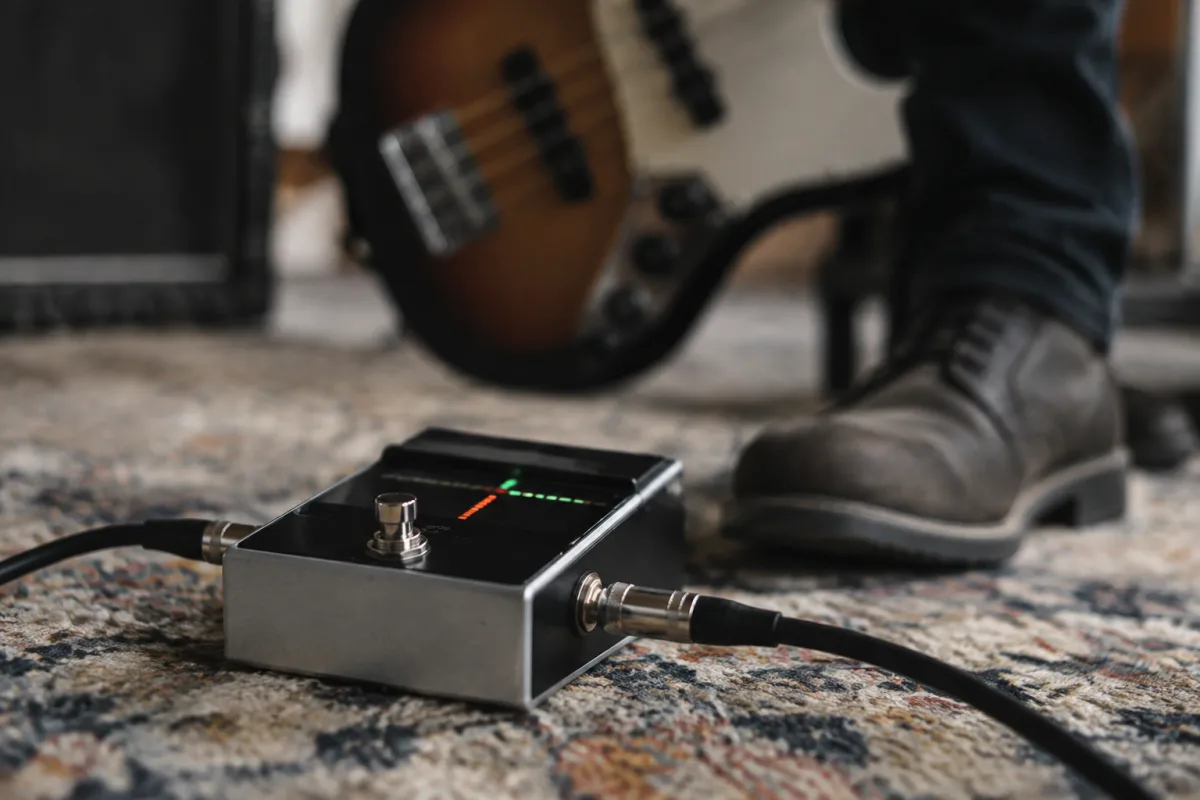
Selecting the right pitch fork pedal requires understanding which features matter for your playing style and budget. Whether you're upgrading from a basic tuner or investing in a professional-grade unit, this buying guide cuts through the marketing speak to help you choose a pitch fork pedal that delivers accuracy, speed, and reliability. Learn what specs to prioritise, which models represent genuine value, and how to avoid costly mistakes.
Budget Tiers: What You Get at Each Price Point
Pitch fork pedal prices span dramatically, from compact £40 budget units to professional studio equipment exceeding £300. Understanding what separates each tier helps you invest wisely.
| Price Range | Key Features | Best For | Trade-offs |
|---|---|---|---|
| £40–£80 | Basic LED display, simple interface, tuning only | Beginners, casual players | Slower response, limited accuracy, fewer instrument modes |
| £80–£150 | Faster response, multiple tuning modes, small screen | Gigging musicians, semi-professional | Smaller display, basic build quality |
| £150–£250 | High-accuracy tuning, multiple instrument support, durable housing | Professional musicians, recording studios | Overkill for casual use, higher cost |
| £250+ | Studio-grade accuracy, advanced features, premium materials | Professional studios, touring bands | Expensive, features may not be necessary for most players |
Critical Specs for Choosing a Pitch Fork Pedal
When comparing pitch fork pedal models, focus on these performance metrics that directly affect tuning reliability.
- Tuning Accuracy: Look for a pitch fork pedal with ±1 cent accuracy or better. Cent accuracy determines whether your instrument stays truly in tune during performance. Budget models often measure accuracy in half-steps, making them unreliable for discerning ears. A precise pitch fork pedal becomes less noticeable once dialled in correctly.
- Response Time: How quickly your pitch fork pedal reacts to string changes matters during fast performances. Fast pitch fork pedal models respond within 10–50 milliseconds; slower units lag, frustrating the player and wasting stage time. Professional pitch fork pedal units prioritise millisecond response.
- Polyphony Support: If you play guitar or other multi-string instruments, polyphonic pitch fork pedals simultaneously analyse multiple strings. Non-polyphonic pitch fork pedals read one string at a time, limiting their usefulness for chord-based playing. Always specify your instrument when choosing.
- Display Technology: LED displays consume less power but offer limited information. LCD or segmented displays show cents off-pitch, allowing precise fine-tuning. OLED pitch fork pedal displays are crisp and visible in dim lighting. Choose based on your performance environment.
- Instrument Modes: A comprehensive pitch fork pedal supports guitar, bass, ukulele, and alternative tunings. Limited-mode pitch fork pedals suit single-instrument players only. Count available modes before buying; a pitch fork pedal that lacks your alternate tunings is nearly useless for versatile playing.
What to Check Before Buying a Pitch Fork Pedal
Beyond specs on paper, these real-world checks separate genuinely usable pitch fork pedals from disappointing purchases.
Hold it in your hands: A pitch fork pedal you'll use regularly needs to feel solid. Budget pitch fork pedal models sometimes have loose footswitches or creaky housing. Press the switch repeatedly—does it feel responsive and durable? Does the footswitch actuate cleanly without mushy zones?
Check the display in various lighting: Test your intended pitch fork pedal under stage lighting, dimly lit rehearsal rooms, and outdoor sunlight. An LED pitch fork pedal that's invisible in stage lighting is useless. Professional pitch fork pedal units include backlit displays for this reason.
Verify compatibility with your signal chain: Does the pitch fork pedal accept 1/4" instrument cables, or does it use proprietary connectors? Can it integrate with your pedalboard without modification? Some pitch fork pedal designs assume specific placement or power supply types that might conflict with your existing setup.
Test the learning curve: An overcomplicated pitch fork pedal with dozens of modes and settings becomes a liability if you're changing tunings mid-set. Simple pitch fork pedal designs that prioritise speed and clarity often outperform technically superior models that require menu diving under pressure.
Pitfalls to Avoid When Selecting a Pitch Fork Pedal
Many buyers repeat the same mistakes. Recognising these common errors saves money and frustration.
- Over-speccing: Professional-grade pitch fork pedals excel in studios but add unnecessary cost for regular musicians. You rarely need £300 accuracy if you're playing live venues. A mid-range pitch fork pedal performs identically for 90% of musicians.
- Assuming all LED pitch fork pedals are reliable: A cheap LED pitch fork pedal may look simple but delivers poor accuracy. Don't judge capability by display type alone—always check accuracy specs regardless of interface style.
- Overlooking polyphony needs: Buying a non-polyphonic pitch fork pedal for guitar playing is a false economy. You'll spend the entire performance tuning strings individually. A polyphonic pitch fork pedal costs slightly more but saves minutes per gig.
- Ignoring power requirements: Some pitch fork pedal models demand specific power supplies or unique batteries. Clarify power before buying—a pitch fork pedal needing a £30 power adapter or exotic batteries becomes expensive over time.
- Relying solely on online reviews: Pitch fork pedal reviews vary wildly based on reviewer expectations. A £50 budget pitch fork pedal might receive glowing reviews from casual players whilst professionals dismiss it as inaccurate. Read reviews filtered by your playing level.
Making the Final Decision: Which Pitch Fork Pedal Suits You?
Here's a straightforward framework for choosing:
For beginners and casual players: Select a budget-friendly pitch fork pedal (£40–£80) with basic accuracy, a clear display, and minimal complexity. Your priority is learning to play in tune, not tweaking settings. An entry-level pitch fork pedal accomplishes this goal adequately.
For regular gigging musicians: Invest in a mid-range pitch fork pedal (£80–£150) with fast response, your required instrument modes, and a display visible in stage lighting. This price range balances reliability, speed, and durability—the features that matter during live performance.
For recording studios and professional touring: Choose a high-accuracy pitch fork pedal (£150+) with millisecond response, extensive tuning modes, and premium build quality. Professional environments justify the investment through precision and reduced downtime.
Once you understand your needs and priorities, the right pitch fork pedal becomes obvious. For an in-depth exploration of pitch fork pedal technology and alternative options, consult our complete guide to pitch fork pedals, which covers advanced features and niche specialisations.
Conclusion: Buy with Confidence
The best pitch fork pedal prioritises accuracy and speed for your playing style within your budget. Avoid being swayed by brand names or unnecessary features. A mid-range pitch fork pedal from a reputable manufacturer outperforms a boutique pitch fork pedal with too many complications. Test before buying, understand the specs, and choose a pitch fork pedal that lets you focus on playing, not tuning.


Comments