


Bass Hard Case article
Bass Hard Case for Beginners: A Complete Guide
A quality bass hard case is insurance for your instrument. This beginner's guide walks you through why protection matters and how to choose the right case.
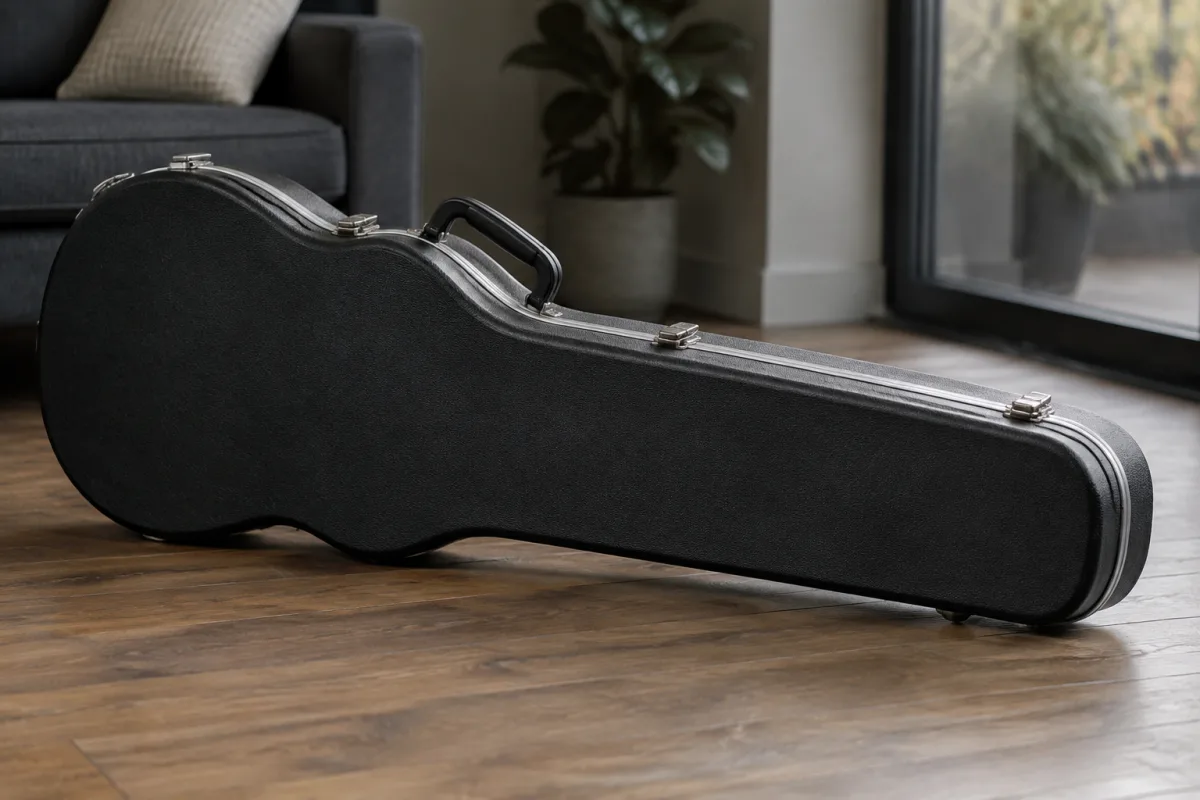
Your first bass guitar is an investment worth protecting. A quality bass hard case might seem like an accessory you'll buy later, but it's actually one of your first purchases after the instrument itself. A bass hard case isn't just about convenience—it's insurance against damage that can render your bass unplayable or cost hundreds in repairs. If you're buying your first bass or upgrading to a hard case, this beginner's guide walks you through why protection matters, what a bass hard case actually does, and how to choose one that matches your needs and lifestyle.
Why Your Bass Needs a Hard Case (And Why Soft Cases Fall Short)
A gig bag or soft case is better than nothing, but it's not real protection. Soft cases absorb impact poorly and offer no structural protection against crushing weight, drops, or impacts from other equipment. A bass hard case is a rigid shell that distributes impact force across the entire case, protecting the instrument inside. The difference is dramatic: a bass hard case survives being dropped, sat on, or loaded into a van roughly. A soft case doesn't.
For a beginner, this isn't theoretical risk. You'll drop your bass case eventually. You'll load it into a car with other gear. You'll leave it in spaces where it might get jostled. A bass hard case means you stop worrying about these scenarios. Your instrument is protected. You can focus on playing.
Understanding Bass Hard Case Construction
Not all hard cases are created equal. Understanding what you're buying helps you choose wisely:
Shell material. Most bass hard cases use ABS plastic or fibreglass. ABS is rigid, lightweight, and affordable. Fibreglass is heavier but often more durable. Both work well. Budget models use thinner materials and provide basic protection. Professional cases use thicker materials and superior craftsmanship.
Interior padding. A quality bass hard case features thick foam padding (usually 2–4 inches) on all interior surfaces. This cushions impact and protects finish. Budget cases sometimes use thin padding or felt—better than nothing, but not ideal. Thick, consistent padding is worth the extra cost.
Hardware and latches. Heavy-duty latches and hinges determine whether your bass hard case survives years of use. Budget latches break. Professional cases use reinforced hardware that endures touring and rough handling.
Lining materials. Interior lining prevents moisture exposure and protects finish. Some bass hard cases include velvet or microsuede lining (premium). Others use felt (adequate). Make sure the lining is secure and won't fray or shed onto your bass.
Accessibility features. Does the case open fully? Can you access the instrument without removing it completely? Are there storage compartments for accessories? These matter for daily usability.
Choosing a Bass Hard Case: Size and Fit Matter
A bass hard case must fit your specific instrument. Bass guitars vary significantly:
Standard 4-string bass: Most common. Hard cases designed for "standard bass" fit these. Approximately 48–50 inches long.
5-string bass: Slightly wider headstock and possibly longer body. Requires "5-string bass" cases. Standard 4-string cases won't accommodate this comfortably.
Short-scale or compact bass: Smaller overall. Requires compact bass hard cases. Don't force a short-scale bass into a standard case—it shifts excessively during transport.
Measure your bass before ordering. A bass hard case that's too roomy allows movement, which defeats protection. One that's too tight risks damage when closing. Proper fit keeps your bass stable inside.
Price Tiers and What Each Tier Delivers
Bass hard cases range dramatically in price. Understanding tiers helps you make sensible choices:
Budget tier (£80–£150): Basic protection for casual players. ABS plastic, simple latches, thin padding. Adequate for light gigging and rehearsals. Won't survive aggressive touring or repeated rough handling. Good for beginners on tight budgets.
Mid-tier (£150–£300): Solid protection for regular players. Thicker padding, reinforced hardware, better lining. Suitable for gigging musicians. You're buying durability and peace of mind. Most players choose here.
Professional tier (£300–£600): Tour-grade construction. Premium materials, heavy-duty latches, excellent padding and lining. Designed to survive baggage handlers and rough touring. Only necessary if you're gigging heavily or touring frequently.
Premium/Specialty (£600+): Bespoke cases or custom builds. You're paying for specific features or custom fit. Only purchase here if you've identified a genuine need standard cases don't address.
Most beginners are well-served by mid-tier cases. They're affordable, durable, and protective enough for regular playing and modest gigging.
Common Beginner Mistakes When Buying a Bass Hard Case
These are slip-ups that waste money or create frustration:
Mistake: Buying the wrong size. Ordering a "bass hard case" without verifying dimensions is risky. Some cases fit 4-strings; others fit 5-strings or short-scales. Check your bass measurements. Many cases display detailed dimensions online. Verify before purchasing.
Mistake: Confusing hard case with flight case. Flight cases (professional touring cases with wheels and handles) are heavy, expensive, and overkill for beginners. Standard hard cases are sufficient for most players. Don't buy touring-grade equipment unless you're actually touring.
Mistake: Ignoring weight and portability. A bass hard case is heavy. Budget cases are lighter. Professional cases are heavier. Consider whether you'll carry it regularly or primarily transport it in vehicles. Weight matters if you're commuting with your bass.
Mistake: Assuming all hard cases provide equal protection. Cheap padding and thin shells provide basic protection but aren't reliable. Spend the extra money for thick padding and quality construction. Protection isn't negotiable.
Mistake: Storing the bass in a hard case long-term without humidity control. Hard cases trap moisture. Store your bass in a case with active humidity control (a small humidifier pouch inside) if it will sit unused for weeks or months. Without this, wood can warp or shrink, causing action problems.
Mistake: Overpacking accessories in the case. Yes, many bass hard cases have storage compartments. Don't overstuff them. Excess material creates pressure points and can damage the instrument. Use accessory compartments sparingly.
What to Check Before Purchasing a Bass Hard Case
Inspection checklist if buying in-store or examining before purchase:
Interior padding: Is it thick and consistent? Run your hand over the interior. Thin padding is obvious.
Latches and hinges: Do they close smoothly? Are they reinforced? Do they feel cheap or solid?
Lining condition: Is it secure? Will it shed or fray? Premium lining feels luxurious; budget lining feels thin.
Shell integrity: Are there cracks, weak spots, or dents? These are red flags. Shell damage compromises protection.
Interior dimensions: If purchasing for a specific bass, confirm it fits with comfortable contact (not loose, not cramped). Bring your bass if possible and test fit.
Maintaining Your Bass Hard Case
A bass hard case lasts decades if treated reasonably:
Clean the exterior occasionally with a damp cloth. Don't expose it to extreme heat or UV light for extended periods. Store it in a dry location. Don't overload weight-sensitive areas (tops/lids aren't designed for stacking heavy items on top). Hinges and latches benefit from occasional lubricating (WD-40 works). These simple habits extend case life significantly.
Storage Inside Your Bass Hard Case
Most bass hard cases include small storage pockets. Use them for:
Extra strings (always have spares). Cable (a spare 1/4" instrument cable). Tuner or tuning pedal. Neck strap. Small tools (hex wrench, wire cutters). Don't store tools loosely where they rattle; use the compartments provided.
Humidity and Environment: Protecting Your Bass Inside the Case
If your bass will sit unused for extended periods, climate control matters. Wood responds to humidity. Too dry, and neck/body shrinks, causing action problems. Too wet, and wood swells. A small humidifier pouch inside the case (£10–£20) maintains stable humidity and protects your investment.
Building Confidence in Protection
Your first week with a bass hard case involves learning it, securing your bass properly, and verifying everything closes smoothly. Once you've done this a few times, it becomes automatic. You'll never worry about damage during transport or storage. That peace of mind is priceless.
Moving Forward
The complete guide to bass hard case explores advanced case types, specialized storage solutions, and professional case management if your needs grow beyond basic protection. But for now, a quality mid-tier bass hard case solves your protection needs and grows with your playing.
The Investment Payoff
A bass hard case is insurance. It costs less than repairing a cracked body or refinishing a damaged finish. More importantly, it lets you focus entirely on playing without worrying about your instrument's safety. That freedom is worth the investment. Choose wisely, treat it well, and your bass hard case will protect your instrument for years.



Comments