


Bass Hard Case Buying guide
Bass Hard Case: A Complete Buyer's Guide
A quality hard case protects your bass investment. This buying guide focuses on protection specs: construction, padding, fit, and durability.
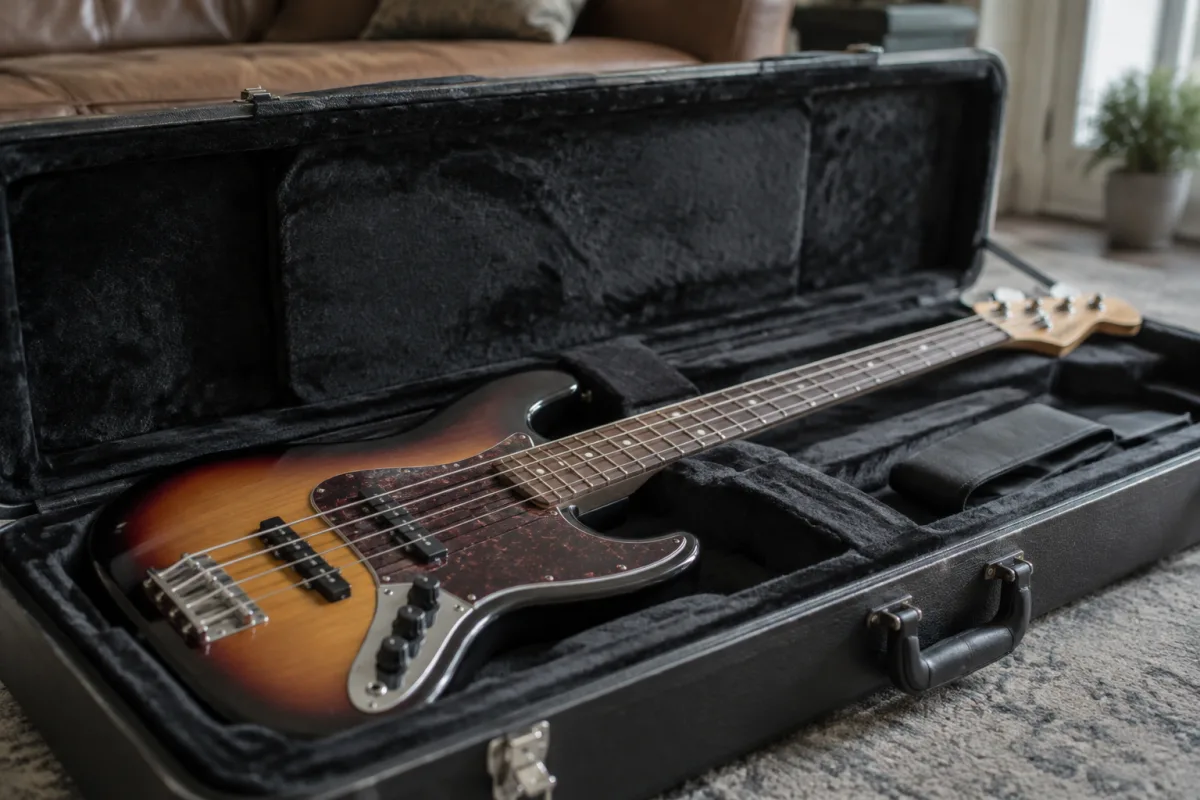
Your bass guitar deserves protection, and a hard case is non-negotiable if you're moving it anywhere. But choosing between models can confuse buyers. Do you need thick padding or rigid shell construction? Should you prioritize weight or maximum protection? Is a case with wheels worth the cost? This buying guide cuts through marketing language and focuses on what actually protects your instrument: interior fit, latch quality, padding thickness, and portability for your specific use case.
Hard Case vs. Soft Case vs. Gig Bag: Why Hard Cases Matter
Soft cases and gig bags are convenient for occasional use around town. Hard cases provide genuine protection for instruments worth protecting. A quality hard case absorbs impacts and prevents damage that would cost hundreds to repair. If you're transporting your bass anywhere—rehearsals, gigs, storage between sessions—a hard case is the right investment. Soft cases sacrifice protection for weight and portability. If your bass stays in one room permanently, a case barely matters. If it leaves your house, it needs a hard case.
Interior Fit: The Most Important Specification
Your bass must fit snugly in its case without excessive movement. Loose fit means your instrument bounces during transport, damaging the finish and potentially the hardware. Too tight and forcing the bass in damages the instrument and the case. Check interior dimensions carefully. Most cases fit standard bass dimensions perfectly, but specialty basses (short-scale, wide body, extended pickguards) require specific cases. Measure your instrument and compare against case interior dimensions before purchasing. Many cases have removable foam padding allowing some customisation, but buy a case that fits right initially rather than expecting to modify one.
Shell Construction: ABS vs. Plywood vs. Molded
Budget hard cases use simple plywood with vinyl covering. They work but provide minimal impact protection. Mid-range cases use ABS plastic shells, which are lighter and more impact-resistant. Professional-grade cases use moulded polycarbonate, which is durable and protective but expensive. For most bass players, ABS construction is the sweet spot. It balances protection, weight, and cost. Plywood works for storage if you're not moving the case regularly. Skip plywood if you're gigging. Polycarbonate cases are overkill unless you're touring professionally.
Padding Thickness and Interior Protection
Padding quality matters enormously. Thin padding (under 1 inch) offers minimal protection against impact. Quality cases have 1.5-2 inches of padding. The padding should be firm enough to protect but soft enough not to damage the finish. Foam density matters—cheap foam compresses over time, reducing protection. High-quality cases use multi-layer padding with varying densities. This costs more but genuinely protects better. If you're buying a bass case for a bass worth over £500, invest in proper padding. Your instrument will thank you.
Latches and Hardware: Overlooked but Critical
Budget cases have flimsy latches that break easily. Mid-range cases have solid metal latches. Professional cases have locking latches with multiple contact points. Check latch quality before purchasing. Plastic latches fail. Metal latches last decades. Handles should be reinforced where they attach to the case. A broken handle makes the case nearly useless. Test handles in person if possible. They should feel solid, not flex excessively when you pick up the case. Hardware quality directly correlates to case longevity.
Price Tiers and Value Assessment
Budget hard cases (£60-100) work for occasional use around town. They protect from drops and impacts but lack refinement. Mid-range cases (£100-200) offer excellent protection, decent padding, solid hardware, and reasonable weight. These are the sweet spot for most bass players. Premium cases (£200-400+) add features like wheels, locks, and superior materials. Touring professionals and valuable instrument owners justify premium prices. Most gigging musicians get everything they need from mid-range cases. Don't overspend on features you won't use.
Weight and Portability: Your Physical Situation Matters
A bass case typically weighs 8-15 pounds depending on size and construction. If you're regularly carrying your instrument short distances (car to rehearsal space, home to venue), weight barely matters. If you're regularly carrying it for blocks on public transport or up flights of stairs, weight becomes significant. Lighter cases use ABS shells and minimal padding. They sacrifice some protection for portability. Wheels on cases seem appealing until you realise most venues have stairs. If you're considering a wheeled case, ensure you'll actually use wheels regularly. Otherwise, standard cases are simpler and lighter.
Special Features: Locks, Compartments, and Add-ons
Many cases include pockets for accessories, TSA locks for air travel, and cable compartments. These are nice but not essential. You're buying a case for protection, not organisation. Accessories pockets are genuinely useful for keeping accessories organised. TSA locks matter only if you're flying regularly. Cable compartments are convenient but not necessary. Don't pay premium prices for features you won't use. A simpler case that protects your bass reliably beats a fancy case with unused add-ons.
Fit Considerations for Different Bass Types
Standard 4-string basses fit most cases perfectly. 5-string basses need cases rated for extended body dimensions. Fretless basses sometimes have oddly shaped headstocks requiring specific cases. Vintage or specialty basses (short-scale, extended bodies) may need custom cases. Before buying, confirm your specific bass model fits the case you're considering. Manufacturer specifications usually list compatible instruments. If uncertain, contact the case manufacturer with your bass's make and model. A case that almost fits wastes money and leaves your instrument unprotected.
Common Pitfalls When Buying
Beginners often buy based on aesthetic appeal, assuming all hard cases provide equal protection. They don't. A beautiful case with thin padding protects poorly. Buy based on actual protection specs: shell construction, padding thickness, and latch quality. They also buy cases too large for their bass, then realise the instrument slides around. Measure carefully. They also buy wheeled cases expecting convenience, then realise they rarely use wheels. Consider your actual transportation patterns. Finally, they buy cases without confirming their specific bass fits. Confirm fit before purchasing.
Maintenance and Longevity
Hard cases last decades with minimal care. Keep them dry and away from extreme heat. Don't overload them with extra items (they're not suitcases). Check latches occasionally to ensure they function smoothly. Clean the exterior occasionally to prevent dirt buildup. That's genuinely all the maintenance required. A quality case easily outlasts the bass it's protecting.
Making Your Decision
You're ready to buy a hard case once you've answered these questions: How often will I transport my bass? What construction level suits my use? What's my budget? What does my specific bass require for fit? Buy a mid-range case (£100-200) with ABS construction, 1.5+ inches of padding, and solid latches if you're gigging or rehearsing away from home. Budget cases work for occasional use. Premium cases suit professionals and collectors. For detailed information on specific case models, climate considerations, and specialty instruments, the complete guide to bass hard cases provides comprehensive coverage. For now, focus on protection specs and fit. Everything else is secondary.
Your bass is an investment. Protect it properly, and it'll last for decades.



Comments