


Metronome Buying guide
Metronome: A Complete Buyer's Guide
Choosing the right metronome makes practice sessions more productive. This guide covers the key specs, types and price points to consider when buying one.
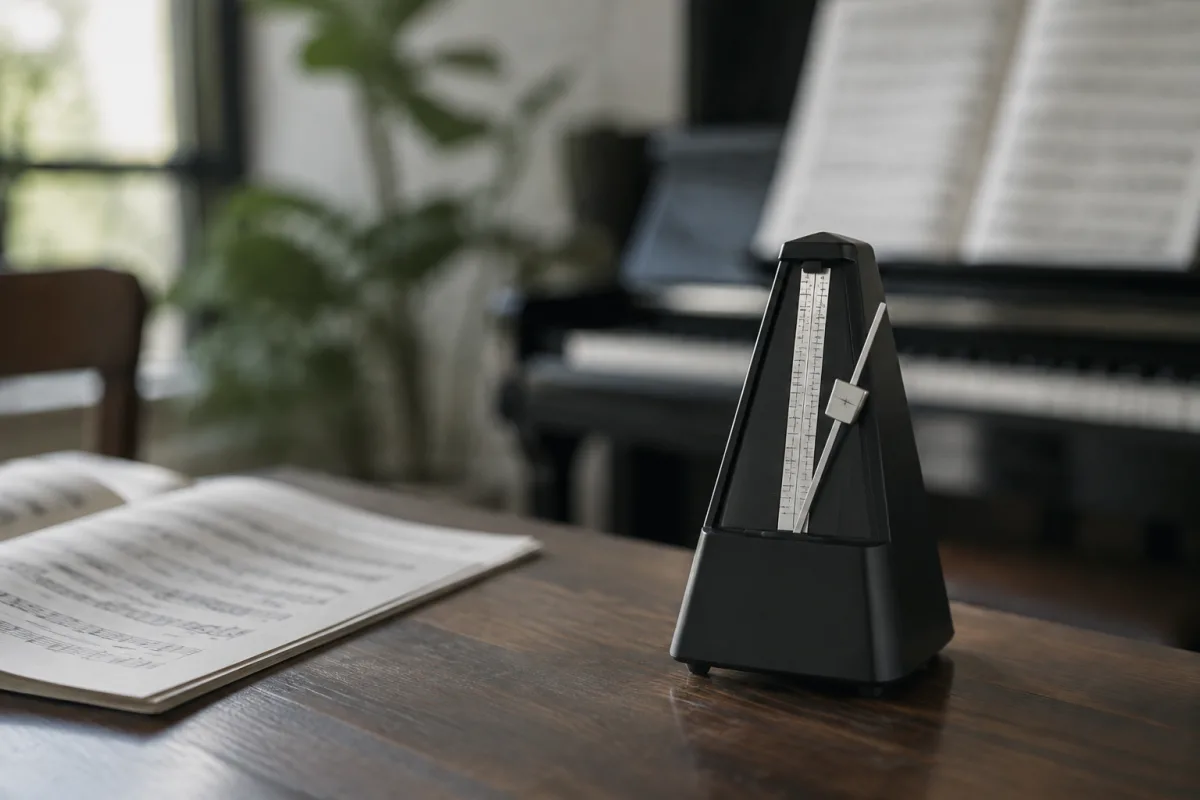
Choosing the right metronome can transform your practice sessions from frustrating to productive. Whether you're a beginner learning to keep time or an experienced musician refining your rhythm, finding the metronome that suits your needs, budget and playing style is crucial. This guide walks you through the specifications, features and price points to consider when shopping for a metronome.
Why Metronome Quality Matters
Not all metronomes perform equally. A cheap, unreliable metronome with an erratic tempo can actually harm your practice by training you to play inconsistently. When you're investing in an instrument and lessons, spending a little more on a decent metronome makes genuine sense. A quality metronome stays locked to its tempo, offers clear sound and the features you'll actually use.
Key Specifications to Check
Before you buy, understand what these technical features mean and which ones matter for your needs:
- Tempo range: Most metronomes cover 30–240 BPM (beats per minute), which handles everything from slow ballads to fast classical passages. Some go higher; if you play very fast music (metal, bluegrass), look for 260+ BPM.
- Accuracy: A quality metronome holds its tempo within ±1–2%. Budget models drift; if you're serious about timing, this matters.
- Sound quality: A tinny or muffled click is painful over a long practice session. Listen to samples online or try one in person if possible. Some offer multiple accent sounds.
- Volume: Can you hear it over your instrument without it being intrusive? Adjustable volume is essential, especially if you're playing at odd hours.
- Time signatures: Does it handle 4/4, 3/4, 6/8? Most do. Some advanced models offer complex metres like 5/4 or 7/8, useful for jazz and classical work.
- Battery life: For portable metronomes, check how long batteries last. Winding one up repeatedly gets tedious.
- Visibility: Does the display (if electronic) work in low light? Can you see the tempo number clearly?
Types of Metronomes and What They Cost
Metronomes come in several varieties, each with different strengths:
| Type | Price Range | Best For | Pros | Cons |
|---|---|---|---|---|
| Mechanical (windable) | £20–£60 | Purists, collectors | No batteries, timeless design, satisfying to use | Loud, requires winding, less portable |
| Compact digital | £15–£40 | Beginners, budget-conscious players | Affordable, portable, simple controls | Often thin sound, limited features, cheap build |
| Mid-range digital | £40–£100 | Serious students and amateurs | Good sound, reliable tempo, multiple sounds, good battery life | Still fairly basic, sometimes clunky interface |
| Advanced digital | £100–£300 | Professionals, teachers, composers | Excellent sound, many time signatures, MIDI sync, visual feedback | Overkill for beginners, higher cost |
| Smartphone app | Free–£5 | Casual players, quick practice | Always in your pocket, free options exist | Less reliable (notifications interrupt), distracting, battery drain |
Choosing by Your Level
If You're Completely New
Start with a basic digital metronome under £30. You need something reliable enough to learn steady tempo, but you won't need fancy features yet. Many beginners never use complex time signatures or MIDI sync, so don't pay for those. A simple model with clear sound and a sturdy build is plenty.
Avoid the cheapest possible app-only approach for serious learning—you need something you can hear clearly and that won't suddenly switch to WhatsApp. Once you've logged 6–12 months of consistent practice, you'll know if you want to upgrade.
If You're an Intermediate Musician
Invest £40–£80 in a mid-range digital metronome. At this stage you probably play multiple genres, so you need reliable time signatures (3/4, 6/8), a good sound, and decent portability. A model with a visual pulse (LED or pendulum display) can help you watch the beat as well as hear it, which builds stronger internal rhythm.
If You're Advanced or Teaching
Consider a professional-grade metronome (£100+). If you teach, you may want one with MIDI sync so you can practise along with recordings. If you compose or arrange, a more sophisticated tempo control matters. However, don't assume expensive equals better for your specific needs—read reviews of models at your target price.
Common Pitfalls to Avoid
- Buying purely on price: A £12 metronome that sounds like a robot dying will do more harm than good. Spend the extra £10–15 and get something pleasant.
- Choosing based on design alone: A beautiful mechanical metronome looks great but may be too loud for apartment dwellers or too fiddly for beginners. Looks matter less than function.
- Forgetting to check battery type: Some use button cells (hard to find), others use AAs (everywhere). Check what's easiest for you to source.
- Assuming an app will replace a dedicated device: Smartphone metronome apps work for casual use, but they interrupt easily, drain your phone's battery and don't feel as reliable when you're in the zone. Worth trying for free, but most serious players add a dedicated metronome.
- Ignoring the sound: If possible, listen to samples online or test one in a shop. A metronome you dislike using gets left in a drawer.
- Buying an overly complex model when you need simple: Fancy features you'll never touch are just extra buttons to learn and more ways for it to break.
What to Check Before You Buy
When comparing models, make sure you:
- Listen to sound samples (most manufacturers post them online).
- Check the tempo range covers what you play—30–240 BPM is standard, but verify yours does.
- Look at reviews specifically about reliability and accuracy; a metronome that drifts in tempo is useless.
- Confirm battery life if it's portable, or that it winds smoothly if mechanical.
- Note the physical size—will it fit your music stand or bag comfortably?
- Check whether it's easy to adjust tempo on the fly without your hands leaving your instrument.
For broader context on what a metronome is and how it fits into your musical practice, see our complete metronome guide.
Final Thoughts
A metronome is one of the cheapest and most valuable tools in your practice kit. Spending £30–60 on a reliable, pleasant-sounding device pays for itself in weeks of better practice sessions. Choose based on your level, the sounds you play and whether you prefer a mechanical, portable digital or feature-rich option. Test before you buy if you can, read recent reviews, and don't fall for unnecessary complexity. The best metronome is the one you'll actually use every day.
Frequently Asked Questions
What tempo range do I actually need?
Most players are fine with 30–240 BPM. Faster music like speed metal or bebop might need 260+ BPM, but 240 covers nearly everything from slow classical to rock. Check your playing style before buying.
Is a mechanical metronome better than digital?
Not for learning. Mechanical metronomes sound lovely and need no batteries, but they're often loud and less portable. Beginners benefit from quiet, portable digital models. Mechanical is more for players who prefer the aesthetic or want a practice room centrepiece.
Can I just use a smartphone app?
It works for casual use, but apps are distracting (notifications, social media calls), drain your battery fast and interrupt easily. If you're serious about practice, a dedicated metronome under £25 is better value and more reliable.
What's the difference between a metronome and a drum machine?
A metronome provides a steady click or beat for practice. A drum machine generates drum patterns and full rhythms. For learning rhythm, a metronome is simpler and cheaper; a drum machine is for arrangements and composition.
How often should I use a metronome?
Use it regularly—ideally every practice session, at least on some scales or exercises. Aim to play along with it until the tempo feels internal. Then step away and see if you maintain it without it. That's how your internal clock builds.
Do I need MIDI sync on a metronome?
Only if you record, arrange or play alongside backing tracks. For pure practice rhythm, MIDI sync is unnecessary and raises the cost. Most beginners and intermediate players never need it.


Comments