


In Ear Monitors Moulded article
Moulded in Ear Monitors: A Complete Guide
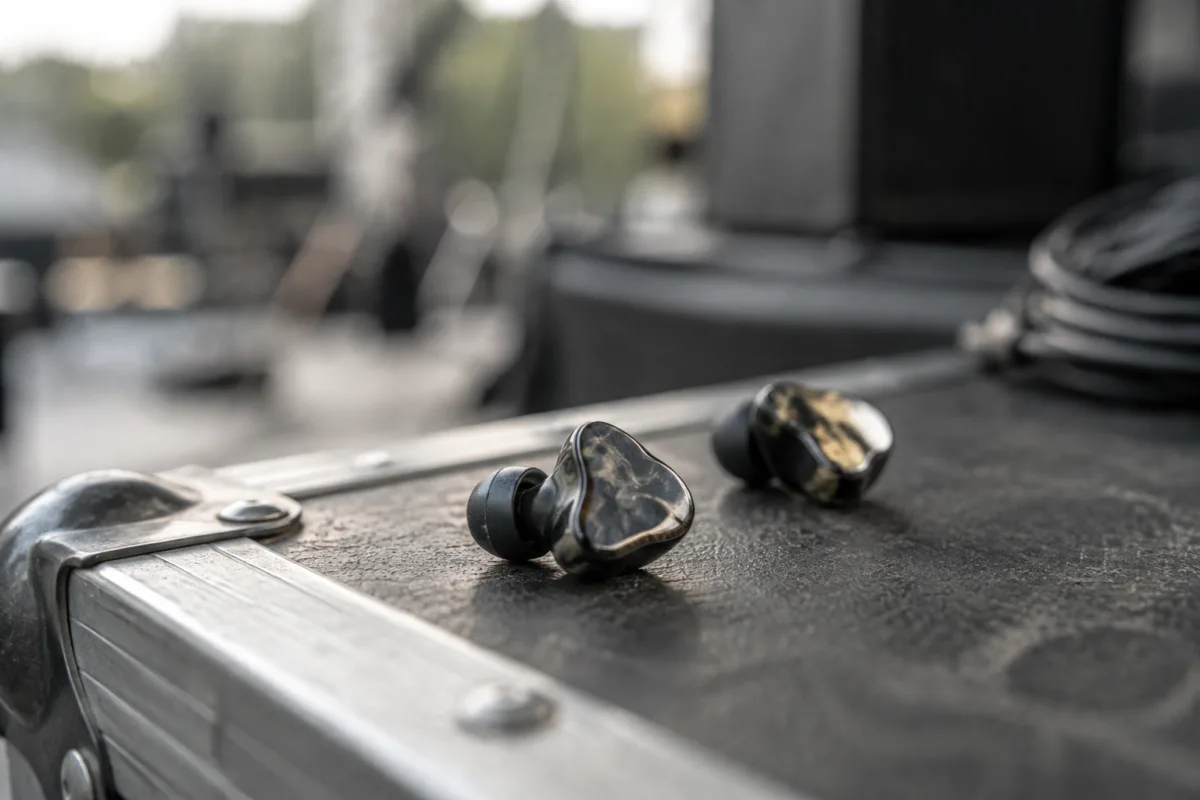
Professional performers demand precise audio monitoring during live performances, and custom-moulded in-ear monitors provide the isolation, comfort, and personalised sound quality that standardised earphones cannot match. These custom-fitted devices reproduce each performer's unique mix—typically different from what the audience hears—enabling confident performances even in challenging live environments. Understanding what distinguishes quality moulded monitors, how the fitting process works, and what performance benefits they deliver helps musicians make informed decisions about this significant investment in performance reliability.
What Are Moulded In-Ear Monitors?
Custom-moulded in-ear monitors are earpieces fabricated from impressions of individual performer ear canals, creating perfect acoustic fit and seal. Unlike universal earphones resting loosely in ears, moulded versions lock securely in place, preventing displacement during vigorous performance whilst providing superior sound isolation.
Each moulded monitor carries multiple small drivers—typically three to six per side—enabling crossover splitting that directs different frequencies to different driver types. This architecture produces clarity and fidelity rivalling studio headphones whilst maintaining portability and on-stage practicality.
The Moulding Process and Craftsmanship
Creating quality moulded monitors requires precise ear impressions captured by trained audiologists. The process involves injecting soft impression material into ear canals, capturing detailed anatomy of outer ear, canal depth, and eardrum position. These impressions are then scanned digitally and used to fabricate custom shells fitted with professional-grade drivers.
Quality varies significantly between manufacturers. Premium custom shops employ experienced ear specialists, sophisticated scanning equipment, and careful driver selection. Budget alternatives sometimes skip critical steps—inadequate ear impressions, rushed manufacturing, or cheap driver selections—resulting in uncomfortable fits or disappointing acoustic results.
Key Performance Characteristics
| Characteristic | Why It Matters | Professional Standard |
|---|---|---|
| Fit and isolation | Prevents displacement, isolates stage noise | Custom-moulded to individual ear anatomy |
| Frequency response | Accurate audio reproduction across spectrum | 20 Hz to 20 kHz typically |
| Driver quality | Clarity, dynamics, and longevity | Multiple drivers per side, quality brands |
| Wireless connectivity | Freedom during performance without cables | 2.4 GHz digital or proprietary systems |
| Battery life | Ensures operation through entire performance | 6+ hours typical |
| Mix control | Performer adjustment of personal mix | Wireless bodypack receiver with controls |
Popular Moulded In-Ear Monitor Systems
Shure PSM series dominates professional touring, offering proven reliability, extensive wireless options, and backward compatibility across major venues' infrastructure.
Sennheiser IEM systems emphasise sonic quality and flexibility, appealing to engineers prioritising audio fidelity alongside performer comfort.
Westone Audio specialises exclusively in custom earpieces, offering numerous driver configurations allowing selection based on performer preferences and budget.
JH Audio produces premium custom monitors favoured by major touring acts, with reputation for sonic excellence and innovative driver designs.
Cost Considerations and Investment Reality
Quality custom in-ear monitors start around £400–£500 for entry-level systems and quickly reach £1,500–£3,000 for premium professional-grade equipment. This pricing reflects genuine manufacturing complexity, professional driver quality, and custom fitting processes.
For professional touring musicians and session performers, these investments provide reliable performance enabling confident playing and audience connection. For amateur or occasional performers, less expensive universal earphones might serve adequately despite acoustic and comfort compromises.
Care and Maintenance
Custom moulds require occasional maintenance but last years with proper care. Clean earpieces regularly with soft cloths to remove earwax, oils, and dust. Avoid exposure to excessive heat, which can warp acrylic moulds. Store safely in protective cases when not in use.
Professional maintenance services exist for valuable systems. Occasional re-molding may be necessary as ear anatomy changes over years, but quality custom monitors provide exceptional durability for serious performers.
Benefits Beyond Audio Quality
Professional in-ear monitors improve performer confidence through reliable monitoring, reduced stage anxiety from uncertain hearing, and freedom to move naturally knowing audio remains consistent. Many performers report improved performances and audience connection when using reliable personal monitoring.
Conclusion
Custom-moulded in-ear monitors represent a significant but worthwhile investment for professional performers. The perfect acoustic fit, tailored sound quality, and performance reliability justify premium pricing for touring musicians, session performers, and serious amateurs. Explore options from reputable manufacturers, invest in proper ear impressions from trained specialists, and you'll discover these devices transforming how you experience on-stage monitoring and performer confidence.




Comments