


In Ear Monitors Moulded article
In Ear Monitors Moulded for Beginners: A Complete Guide
Starting with moulded in-ear monitors doesn't require expensive gear. This beginner's guide covers getting ear moulds, choosing your first system, and setting up a comfortable monitoring mix.
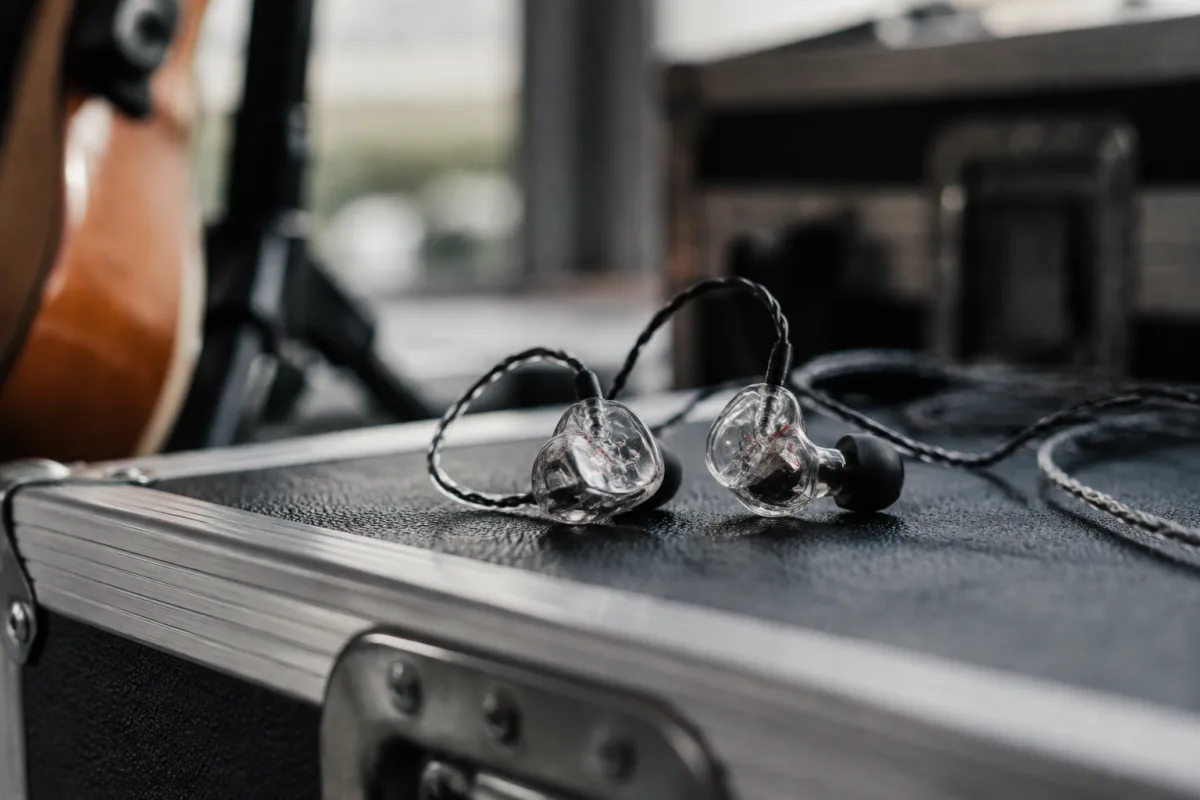
If you're stepping into live performance or studio work for the first time, the phrase "in-ear monitors" might sound intimidating—a piece of professional gear that feels far removed from bedroom practice. But moulded in-ear monitors (moulded IEMs) are actually one of the most accessible ways to hear yourself reliably during performances. Whether you're performing in a small venue or expanding into larger stages, this guide removes the mystery and helps you take your first confident steps with moulded IEMs.
What Moulded In-Ear Monitors Actually Do
An in-ear monitor is simply a personal speaker that sits in your ear, letting you hear yourself (or a mix of instruments) during performance. Moulded IEMs are custom-shaped to fit your ears precisely—like hearing aids, they're cast from moulds of your ear canals. This matters because they stay put even during energetic performances, they're comfortable for hours, and they seal properly so you hear the mix clearly without straining. As a beginner, the key insight is this: moulded IEMs help you perform with confidence because you can always hear what you need to, whether that's your vocals, the click track, or the drummer's timing reference.
The Getting-Started Reality
Many beginners believe they need professional-grade wireless IEM systems or expensive audiophile-quality earpieces to begin. You don't. Start simple: most beginners work with wired, single-driver moulded IEMs and a basic personal monitor mixer or return feed from the main mixing desk. This setup costs far less than wireless systems, eliminates signal dropout worries, and lets you focus on learning how to use an IEM effectively. You can upgrade to wireless systems later once you understand your actual needs. This practical approach prevents spending money on features you won't use initially.
Getting Your Ear Moulds Made
The first step with moulded IEMs is getting custom moulds cast from your ear canals. Visit a local audiologist or audio specialist who offers ear mould casting services. The process takes fifteen minutes: they inject impression compound into your ear canal (completely painless), let it set, and remove the mould. You'll walk away with a soft silicone or foam mould that's uniquely shaped to your ears. Cost typically runs £40-100 per pair, a one-time investment. This mould becomes your foundation—audiophile-grade or budget IEM drivers all rely on proper mould fit for comfort and isolation. Never skip this step or attempt to use standard earpieces; comfort suffers and isolation diminishes dramatically.
Choosing Your First IEM Drivers
IEM "drivers" are the tiny speakers inside your moulded earpieces. Beginners face a choice between single-driver IEMs (one speaker per ear, simpler and affordable at £100-300) and multi-driver IEMs (multiple speakers per ear, offering richer detail but costing £300+). Start with single-driver models. They're robust, easy to use, durable for frequent gigs, and genuinely sufficient for hearing yourself perform. As you gain experience and understand whether you want more bass definition or vocal clarity, consider upgrading. Many professionals perform regularly with single-driver IEMs; don't feel pressured to buy complexity you haven't yet experienced needing.
Wired vs. Wireless Systems
Your first IEM system will almost certainly be wired—a cable runs from your IEM drivers to a personal monitor mixer or wireless pack, giving you direct control over your mix. This simplicity is liberating for beginners. You don't worry about signal dropout, battery management, or frequency coordination. Wireless IEM systems are genuinely impressive but add layers of complexity, cost, and potential failure points. You'll know when you're ready for wireless (typically when you're performing regularly and movement restrictions frustrate you). For your first performance season, embrace wired simplicity and focus on developing good monitoring habits.
Setting Up Your Monitor Mix
Once you have moulded IEMs and drivers, the next step is configuring your monitor mix—what you actually hear. For singers, the priority mix is usually vocal plus a click or drum reference. For instrumentalists, it might be your instrument, a click, and the lead vocal. Start minimalist: two or three key elements. Resist the temptation to add everything. A cluttered mix becomes fatiguing and distracting during performance. Coordinate with your sound engineer or bandmates about what feed supplies your mix. In smaller venues, you might simply tap into a return from the main mixing desk; in larger venues, you might have a dedicated personal monitor mixer. Either way, communicate clearly about what you need to hear.
Common First-Timer Mistakes to Avoid
Beginners frequently make predictable mistakes that reduce their IEM experience. Over-cranking volume to compensate for poor mould fit causes hearing fatigue and hearing damage risk; fix mould comfort first. Creating overly complex mixes with excessive elements leads to decision paralysis during performance; keep it simple. Neglecting to test IEMs during soundcheck means discovering problems on stage when adjustment becomes impossible; always test early. Forgetting to pack spare moulded earpieces or replacement drivers strands you without backup if a driver fails; redundancy matters during performances. Failing to discuss monitor mix with bandmates beforehand leaves everyone guessing what everyone else needs. These aren't technical failures—they're planning oversights that training prevents.
Your Comfort is Paramount
Here's a truth many professionals learn the hard way: uncomfortable IEMs ruin performances regardless of audio quality. If your moulded earpieces cause pain, itching, or pressure after fifteen minutes, the mould fit is wrong. Return to the audiologist for adjustment. If you experience feedback (high-pitched squealing), check mould seal and cable connections before worrying about equipment quality. Discomfort is always fixable through mould adjustment, proper insertion technique, or cable routing changes. Never push through pain thinking it's normal. Performers wearing properly fitted, comfortable moulded IEMs forget they're wearing anything—they simply hear the mix they need. Work toward that goal.
For comprehensive technical details and deeper exploration of moulded in-ear monitor systems, explore our complete guide to moulded in-ear monitors, which covers advanced configurations and technical specifications.
Conclusion
Starting with moulded in-ear monitors doesn't require expensive wireless systems or complicated setups. Get proper ear moulds cast, choose a single-driver wired system, create a minimal monitor mix, and prioritise comfort above all. Test everything during soundcheck, communicate with your bandmates, and don't hesitate to ask your sound engineer questions. Many nervous first-timers have discovered that reliable personal monitoring transforms performance confidence. You're taking a significant step toward professional-quality performances, and moulded IEMs put you squarely on that path.


Comments