


Humidity Control Instrument Buying guide
Humidity Control Instrument: A Complete Buyer's Guide
Proper humidity control protects your instrument from cracking and damage. This guide covers the solutions available, their costs and how to choose one for your climate.
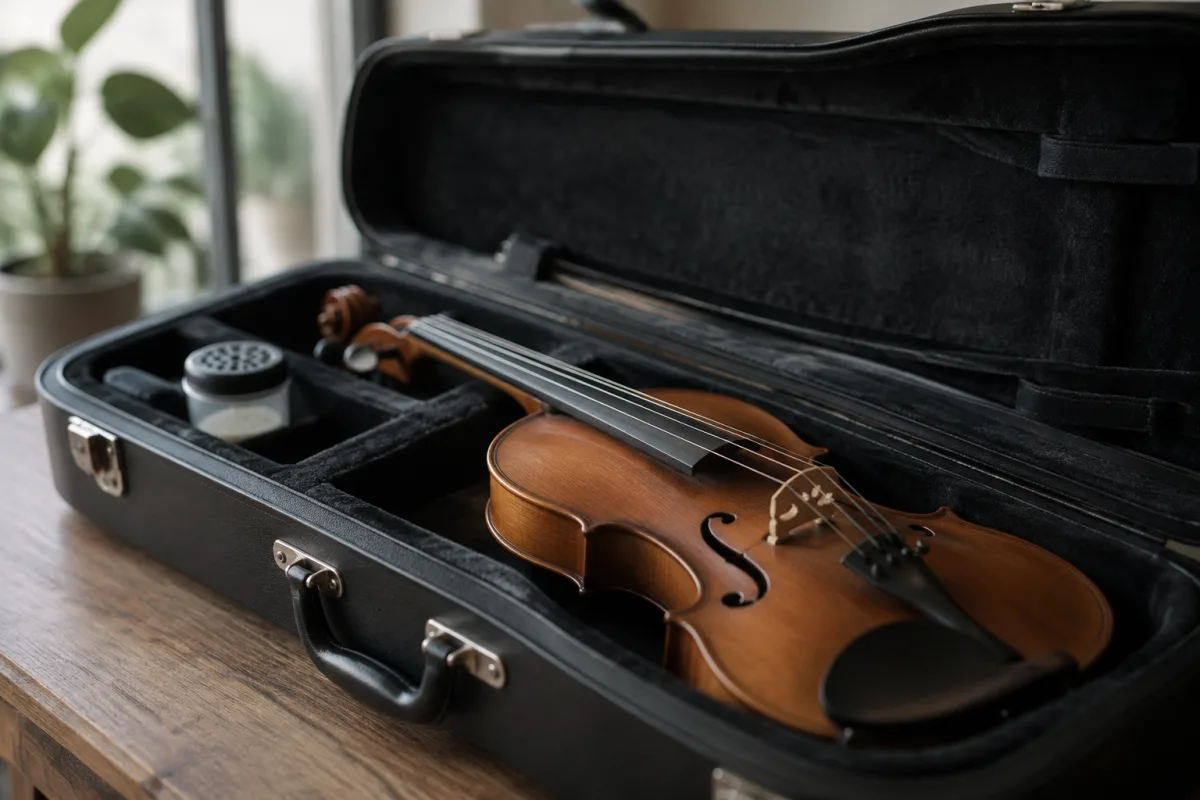
Protecting your instrument from humidity damage is one of the most cost-effective investments a musician can make, yet many beginners don't know what to look for when choosing a humidity control solution. The right system keeps wood stable, prevents cracking, maintains playability and extends instrument life dramatically. This guide walks you through the options, specifications and price points so you can choose the humidity control instrument that fits your needs and budget.
Why Humidity Control Matters for Your Instrument
Wood is alive—it responds to moisture. When humidity drops, wood shrinks; when it rises too high, wood swells. These changes cause frets to become uneven, action to change, finishes to crack and joints to separate. Extreme humidity swings can cost thousands in repairs. A proper humidity control system keeps the environment around your instrument stable, protecting your investment and maintaining playability. For acoustic guitars, violins, cellos and many woodwind instruments, humidity control is not optional if you want your gear to last.
Understanding Humidity Levels
Before you buy, understand what humidity level your instrument needs. Most wooden instruments prefer 45–55% relative humidity. String instruments like guitars and violins are particularly sensitive. Woodwinds (clarinets, oboes, saxophones) are also vulnerable. Electric guitars with wooden bodies benefit from humidity control, though they're less sensitive than acoustics. Check your instrument's manual or maker's specifications. Once you know the ideal range, you can choose a solution that maintains it.
Types of Humidity Control Solutions
Humidity control comes in several varieties, each with different effectiveness, cost and convenience:
Humidifiers (Add Moisture)
Soundhole humidifiers (guitars/mandolins): A small plastic tube filled with water-absorbent material, it sits inside the soundhole. Cost: £5–15. Pros: cheap, simple, fits into most acoustic instruments. Cons: requires refilling (sometimes daily in dry climates), doesn't work if your room humidity is already above 55%, basic humidifiers are unpredictable. Good for: casual players in moderately dry climates, or as a backup.
Case humidifiers: A larger unit designed to regulate humidity inside a hard case. Cost: £20–50 for passive types, £60–150 for active units. Pros: keeps the entire case at stable humidity, reliable over time, protects the instrument even when the room is dry. Cons: only works if you store your instrument in a closed case. Good for: any serious player who uses a hard case.
Room humidifiers: A device that raises humidity throughout a practice room or small space. Cost: £30–200 depending on size and type. Pros: if your whole room is too dry, this solves the problem for all your instruments and your own comfort. Cons: less precise than case-based systems, affects a wide area, only works if your room is sealed fairly well. Good for: musicians with multiple instruments in a home studio.
Dehumidifiers (Remove Moisture)
Silica gel packets or containers: Absorb excess moisture. Cost: £10–30 for reusable containers. Pros: cheap, simple, no electricity needed. Cons: must be monitored and replaced or recharged regularly, only works for very high humidity. Good for: storing instruments in humid climates (tropical, coastal areas).
Electronic dehumidifiers: Active systems that remove moisture from a room or enclosed space. Cost: £100–400. Pros: precise, reliable, ideal for very humid climates. Cons: expensive, requires electricity, often overkill for casual musicians. Good for: professional studios in genuinely humid climates.
Integrated Systems
Digital hygrometers with alert systems: Measure humidity in real time and alert you if it drifts outside your target range. Cost: £15–50. Pros: you know exactly what's happening in your case or room; some link to humidifiers and dehumidifiers automatically. Cons: you still need separate humidifying/dehumidifying devices. Good for: players who want data-driven humidity control.
Choosing by Your Climate
Dry Climates (Arid, Desert, or Heating Season)
Your instrument is at risk when humidity regularly drops below 40%. Start with a case humidifier (£40–60) if you use a hard case—this is your best investment. Add a soundhole humidifier (£10) as a backup if you're playing without the case. Consider a room humidifier (£50–100) if you practise regularly in a small, sealed room. Monitor with a hygrometer (£10–20) to know your actual humidity levels.
Humid Climates (Tropical, Coastal, or Summer Dampness)
Your risk is swelling, finish cracking and fret corrosion. Invest in silica gel reusable containers (£15–30) stored in your case alongside your instrument. Use a small digital hygrometer (£15) to track humidity. If your case sits in a naturally damp space, consider an electronic dehumidifier (£100+), but this is only necessary if humidity regularly exceeds 60% inside the case. Many humid-climate players find that simply keeping their instrument in a sealed hard case with silica gel is sufficient.
Mixed/Temperate Climates (Seasonal Swings)
You need flexibility. Use a hygrometer to track your actual humidity year-round. In winter (heating dries the air), deploy a case humidifier. In summer or damp seasons, have silica gel ready. A case humidifier and a small dehumidifier together give you coverage for the full range. Cost: around £80–100 total, and you're covered for the entire year.
Key Specifications to Check
- Humidity range: Does it maintain your target 45–55%? Some systems only humidify; others only dehumidify. Make sure the type you choose addresses your specific problem.
- Accuracy: If the system includes a hygrometer, check its accuracy rating. Most consumer units are accurate to ±2–5%. That's fine for guitar care; you don't need lab precision.
- Coverage: How much space does it cover? A soundhole humidifier protects only the instrument. A case system protects what's in the case. A room system affects a whole space. Choose based on your storage method.
- Refill cycle: How often do you need to refill or replace the water/gel? Soundhole humidifiers need frequent refilling (sometimes daily). Case humidifiers typically last 2–4 weeks. Silica gel needs recharging every 1–2 weeks depending on humidity.
- Reliability: Read reviews specifically about how consistent the system is. A humidifier that swings wildly from 30% to 60% is worse than useless.
- Visibility: Can you see the water level (in humidifiers) or moisture absorption (in silica gel) without opening the case constantly? Transparent reservoirs or indicator dyes help.
Common Pitfalls to Avoid
- Buying only a soundhole humidifier and calling it done: Soundhole humidifiers are convenient but unreliable. They're a first step, not a complete solution. If your climate is genuinely dry, add a case system.
- Over-humidifying: More moisture is not better. Humidity above 60% causes as much damage as humidity below 30%. Aim for 45–55%; don't exceed 60%.
- Buying an expensive room humidifier when a case system would suffice: If you store your instrument in a hard case and close it, a case humidifier (£40–60) is far more cost-effective than humidifying your entire room.
- Forgetting to monitor and refill: The best humidifier is useless if you never refill it. Make it part of your weekly practice routine.
- Assuming one solution covers all seasons: In mixed climates, you may need humidification in winter and dehumidification in summer. Budget for both.
- Ignoring condensation: If a humidifier creates visible condensation inside your case, you've gone too far. Reduce the moisture level immediately.
What to Check Before You Buy
- Measure your actual room or case humidity with a hygrometer (£10–15) before investing in a full system. You may find it's already fine.
- Read recent reviews specifically mentioning your climate and instrument type.
- Check whether refills or replacement materials are easily available and affordable where you live.
- Confirm that the system fits your storage method (hard case, soft case, open stand, etc.).
- Look for a warranty or return period, especially on electronic systems.
For comprehensive information on humidity control and how it protects your instrument, see our complete humidity control guide.
Final Thoughts
Humidity control is insurance against costly damage. The good news is that proper systems are affordable—£30–100 covers most musicians' needs. Start by measuring your actual humidity with an inexpensive hygrometer. Then choose a system based on your climate and how you store your instrument. A combination of a case humidifier and a hygrometer costs less than a single repair and will keep your instrument playable and beautiful for decades. Make it a routine part of your practice setup, and you'll forget about humidity problems entirely.



Comments