


Electric Guitar Strings article
The Ultimate Guide to Stringing Electric Guitar
Choosing the right electric guitar strings influences tone, playability and durability. This guide covers gauges, materials and selection for every player.
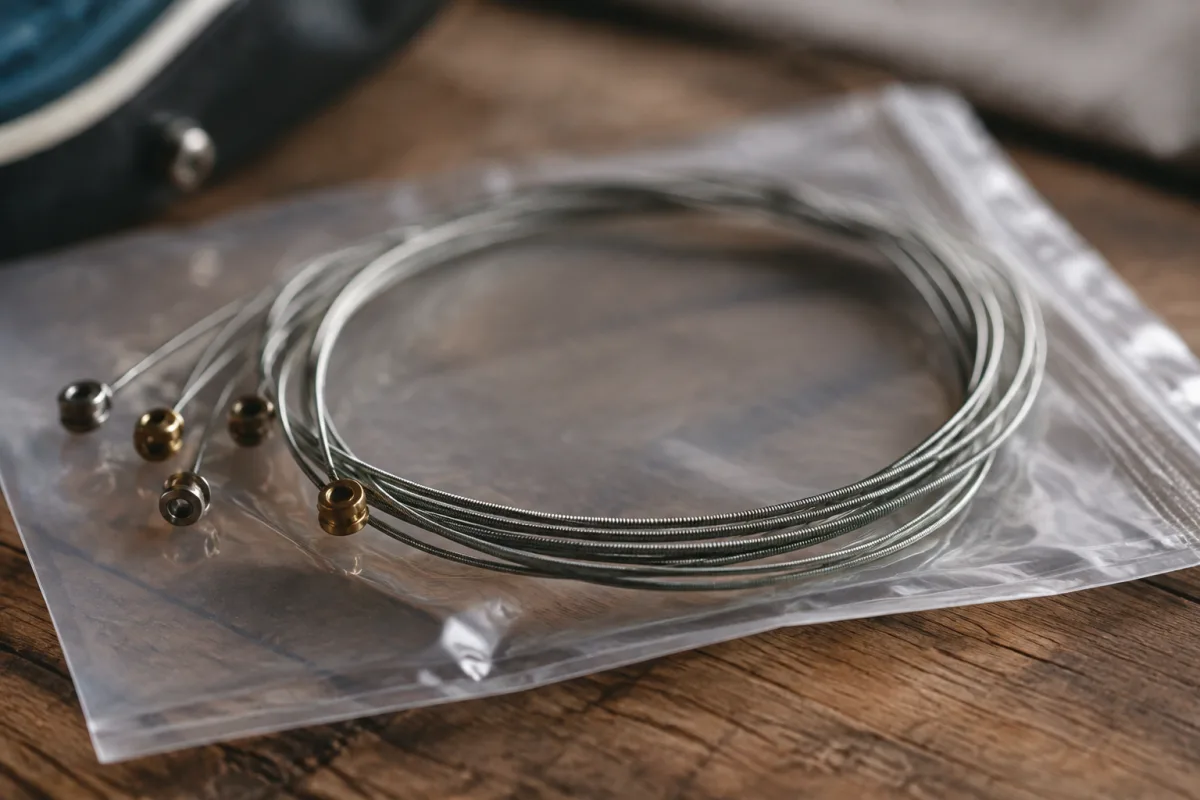
Electric guitar strings are the foundation of your instrument's sound, playability and response. The choice of strings—gauge, material, winding, and brand—profoundly influences tonal character, sustain, playability and durability. Whether you prefer bright, cutting tones or warm, mellow warmth; prefer easy bending or maximum stability; play gentle chord work or aggressive lead lines, the right electric guitar strings transform your playing experience. This guide covers string construction, gauge selection, materials, brands and care to help you find your ideal strings.
Understanding String Gauge
String gauge refers to the diameter of each string, typically measured in thousandths of an inch. A standard set notation like "10–46" means the high E string is .010 inches and the low E string is .046 inches. Common gauge options include:
- Super light (08–38 or 09–40) — easiest bending, fastest playability, brightest tone; popular in shred and lead playing
- Light (10–46) — excellent balance between playability and tone; standard choice for most electric guitarists
- Medium (11–49) — fuller tone, more sustain, greater string tension; suits rhythm and blues playing
- Heavy (12–54 or heavier) — maximum sustain and stability for low tunings; suits downtuned rock and metal
Heavier strings offer greater mass for deeper tone and better sustain; lighter strings bend more easily and feel effortless to play. The optimal choice depends on your playing style, hand strength and tonal preferences. Many players experiment across gauges to find their sweet spot.
String Construction and Winding
Electric guitar strings are typically constructed with a steel core wrapped in steel or nickel-plated wire:
Roundwound Strings
The most popular style, roundwound strings feature a round wire wrap creating a textured surface. This construction provides bright, aggressive tone with excellent articulation. The textured surface can create slight picking noise (desirable for lead clarity, undesirable for smooth chords). Roundwound strings feel slightly rough to the touch but wear longer than flatwound alternatives.
Flatwound Strings
Flatwound strings wrap a flat wire creating a smooth, polished surface. This smooth construction produces warm, mellow, deep tone reminiscent of vintage electric guitars and jazz recordings. Flatwounds feel silky-smooth on the fingers and minimise picking noise for articulate, controlled playing. The disadvantage is higher cost and shorter lifespan—the flat wrap wears faster than roundwound alternatives.
Halfround Strings
A compromise between roundwound and flatwound, halfround strings feature a semi-flattened wrap producing tone between bright roundwounds and warm flatwounds. Halfround strings feel smoother than roundwounds whilst lasting longer than flatwounds, offering balanced characteristics for players seeking both playability and tonal warmth.
Core Materials and Tone
String construction materials significantly influence tone:
- Steel core — bright, aggressive, maximum sustain; standard for modern electric guitars
- Nickel-plated steel — smoother, warmer tone than bare steel whilst maintaining clarity; preferred for vintage and blues tones
- Pure nickel — warmest, most mellow option; original material used on vintage guitars
- Stainless steel — brightness and maximum durability; popular for touring and high-wear applications
Nickel-plated and pure nickel strings warm the treble response naturally; stainless steel strings emphasise brilliance and projection. Your preference depends on whether you want to enhance or warm your guitar's inherent tone.
Popular String Brands
Quality guitar strings come from several trusted manufacturers:
- Ernie Ball — iconic American brand, bright tone, consistent quality
- D'Addario — diverse range from budget to premium, reliable construction across all price points
- GHS — warm tone, popular with blues and rock players
- Fender — standard tone and quality, suitable for all playing styles
- La Bella — traditional brands, favoured for vintage tones and flatwound options
- Dunlop (Tortex) — value-oriented brand, good tone at budget prices
- DR Strings — premium hand-crafted strings, exceptional brightness and longevity
String Longevity and Maintenance
Proper care extends string lifespan significantly:
- Wash hands before playing — removes oils and sweat that accelerate corrosion and tone dulling
- Wipe strings after playing — removes sweat and debris preventing oxidation and dirt accumulation
- Change strings regularly — every 1–3 months depending on play intensity; dull-sounding strings indicate replacement time
- Store strings in cool, dry conditions — heat and humidity accelerate oxidation and corrosion
- Stretch new strings carefully — gently pull strings away from the fretboard to help them settle faster and maintain tuning stability
Worn strings sound dull, lose tuning stability and feel rough to the touch. Replacing strings promptly maintains tonal brightness and playability.
Selecting Strings for Your Playing Style
Different musical styles benefit from different string choices:
- Lead and shred — light or super-light gauges for easy bending; roundwound for brightness and articulation
- Blues and classic rock — light or medium gauges; nickel-plated or pure nickel for warm, smooth tone
- Jazz — flatwound strings for silky smoothness and reduced noise; medium or heavy gauges for full tone
- Surf and funk — light gauges, bright roundwound strings for cutting, crisp rhythm articulation
- Heavy metal and drop tunings — heavy gauges for tuning stability in low tunings; stainless steel for sustain
- Studio recording — premium brands for tonal consistency across multiple takes and sessions
Cost and Value Considerations
String prices range from budget alternatives (£3–5 per pack) to premium hand-crafted options (£15–25 per pack). Higher-priced strings often feature superior construction, longevity and consistent tone. However, budget strings perform adequately for beginners and casual players.
Professional musicians often prefer premium strings for tonal consistency and longevity on tour. Home players typically find quality mid-range strings (£6–12 per pack) offer excellent value, balancing cost against performance and lifespan.
Tuning Stability and Intonation
New strings require settling time for stable tuning. Stretching new strings gently and retuning multiple times during the first hour of playing accelerates settling. Most strings reach stable tuning within a few hours of normal playing.
As strings age and oxidise, they retain tuning less effectively. Regular string replacement maintains tuning stability and prevents frustration from constant retuning during practice or performance.
Conclusion
Electric guitar strings are a consumable item requiring regular replacement, yet the right choice profoundly influences your instrument's tone, playability and responsiveness. Experiment across gauges (light vs heavy), materials (roundwound, flatwound, halfround) and brands to discover your personal preference. Invest in quality strings matched to your playing style, maintain them through regular cleaning and timely replacement, and you will enjoy maximum tonal benefits and playing pleasure. Whether your preference runs to bright, aggressive roundwounds or warm, mellow flatwounds, there is a perfect string waiting to unlock your electric guitar's full potential.




Comments