


Electric Guitar Strings Buying guide
Electric Guitar Strings: A Complete Buyer's Guide
A practical buyer's guide to electric guitar strings covering gauge, materials, coatings, price tiers, and the pitfalls to avoid when making your next purchase.
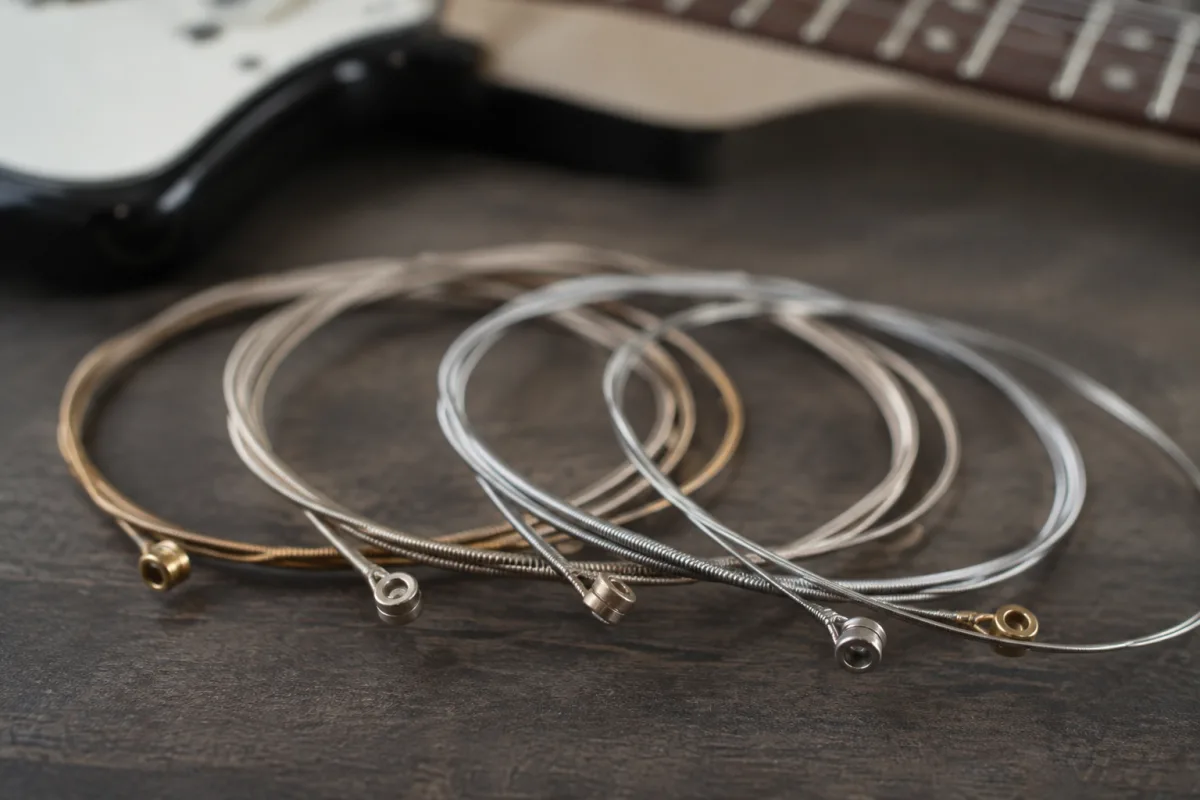
Buying the right electric guitar strings shouldn't be a guessing game. If you're standing in front of a wall of string packs at your local music shop or scrolling through endless online options, this guide will cut through the confusion and help you make an informed purchase. We'll focus on the practical factors that determine whether you're getting a good deal or wasting money on the wrong set.
Understanding Gauge: The Most Important Buying Factor
Gauge refers to the thickness of your strings, measured in thousandths of an inch. This single specification has the biggest impact on how electric guitar strings feel to play and sound. When shopping for electric guitar strings, you'll see gauge expressed as a set—for example, 10-46 means the high E string is .010 inches thick and the low E is .046 inches.
Here's what matters when you're comparing gauges:
- Light gauge (9-42 or lighter): Easier on your fingers, easier to bend, better for fast lead playing. Downside: thinner tone, more prone to breaking.
- Regular gauge (10-46): The industry standard. Good balance between playability and tone. A safe choice if you're unsure.
- Heavy gauge (11-49 or heavier): Fuller, thicker tone. Harder on your fingers and requires more finger strength. Better for down-tuning.
When shopping for electric guitar strings, match the gauge to your playing style and hand strength. Light gauge doesn't mean inferior—it means different. Many professionals use light gauge strings for specific musical genres.
Material Matters: Nickel vs. Stainless Steel
The core material of electric guitar strings affects both tone and lifespan. The two most common choices are:
- Nickel-plated steel: Warmer tone, shorter lifespan (around 3-4 months of regular playing), slightly cheaper. Ideal if you change strings frequently or prefer a mellow sound.
- Stainless steel: Brighter, more aggressive tone, lasts longer (6+ months), more expensive. Better if you want maximum durability.
When comparing prices for electric guitar strings, account for lifespan. A cheaper set that dies in weeks isn't economical.
Coated vs. Uncoated: The Longevity Question
Coated electric guitar strings have a thin polymer coating that resists corrosion and oxidation. Uncoated strings deteriorate faster. The choice depends on your budget and maintenance habits:
- Uncoated: Lower cost, classic bright tone, requires regular cleaning. Good for players who don't mind frequent changes.
- Coated: Higher price (often 30-50% more), longer lifespan, tone can feel slightly duller initially, stays playable longer. Best value if you keep the same set for months.
If you're buying electric guitar strings on a tight budget, uncoated regular gauge makes sense. If you hate changing strings frequently, invest in coated.
Price Tiers: What You're Really Paying For
Budget (£4-7 per set):
- Generic brands or house-brand electric guitar strings
- Adequate quality, unpredictable consistency
- Fine for beginners, practice, or beaters
- Higher breakage rates
Mid-range (£7-14 per set):
- Established brands with solid reputations
- Consistent quality, better playability
- Good lifespan for the price
- Best value for most players
Premium (£14-25+ per set):
- Top-tier brands or specialist electric guitar strings
- Superior tone, exceptional durability
- Precision manufacturing
- Diminishing returns unless you play professionally
Most players find mid-range electric guitar strings deliver the best value. Premium sets are worth it only if you're recording, performing professionally, or have very specific tonal requirements.
Common Pitfalls to Avoid When Buying
Many guitarists make preventable mistakes when purchasing electric guitar strings:
- Buying for the wrong scale length: Standard short-scale guitars need different string lengths than full-scale. Check your guitar's specifications before ordering online.
- Mismatching gauge to your setup: If you drop-tune heavily, light gauge strings will struggle. Heavier gauge with a higher tension rating makes sense.
- Ignoring brand consistency: Some brands vary in quality from batch to batch. Stick with brands known for reliability.
- Buying old stock: Old electric guitar strings lose their brightness and playability. Purchase from retailers with regular inventory turnover.
- Skipping spare strings: Broken strings happen during performances. Always keep a spare high E and B string in your gig bag.
- Choosing by packaging alone: Flashy packaging doesn't equal better strings. Focus on gauge, material, and brand track record.
Buying Online vs. In-Store
When shopping for electric guitar strings online, you'll typically find better prices and more variety. However, you can't feel the strings or ask for immediate advice. In-store shopping lets you compare physical sets and get hands-on recommendations, but prices are usually higher.
A smart approach: research online to understand what specs you need, then decide whether the price difference justifies buying locally or ordering online. For regular maintenance, consider a subscription service that delivers strings monthly—many offer significant discounts compared to one-off purchases.
Special Considerations for Different Genres
Jazz and blues players often prefer light or extra-light gauge electric guitar strings for expressiveness. Metal and hard rock players lean toward heavy gauge for down-tuning and a fuller tone. Country and classic rock players typically use regular gauge. When buying, match the gauge recommendation to your genre and playing style.
Making Your Buying Decision
Before you purchase your next set of electric guitar strings, ask yourself these questions:
- What's my primary playing style and genre?
- How often do I currently change strings?
- Do I need coated strings for longevity, or will uncoated save me money?
- What's my budget per set?
- Am I happy with my current tone, or do I want warmer or brighter strings?
- What gauge do the strings I currently use?
Answering these questions will guide you toward the right purchase. When you're ready to compare options, remember that the "best" electric guitar strings are the ones that match your needs and budget—not necessarily the most expensive or most famous brand.
For a deeper dive into string maintenance and installation, see our comprehensive guide to stringing electric guitar, which covers everything from selection through setup and care.


Comments