


Yamaha PA Speaker article
Yamaha Pa Speaker for Beginners: A Complete Guide
Yamaha PA speakers offer beginner-friendly reliability with professional quality. Discover your first steps, essential controls, and encouragement for nervous newcomers.
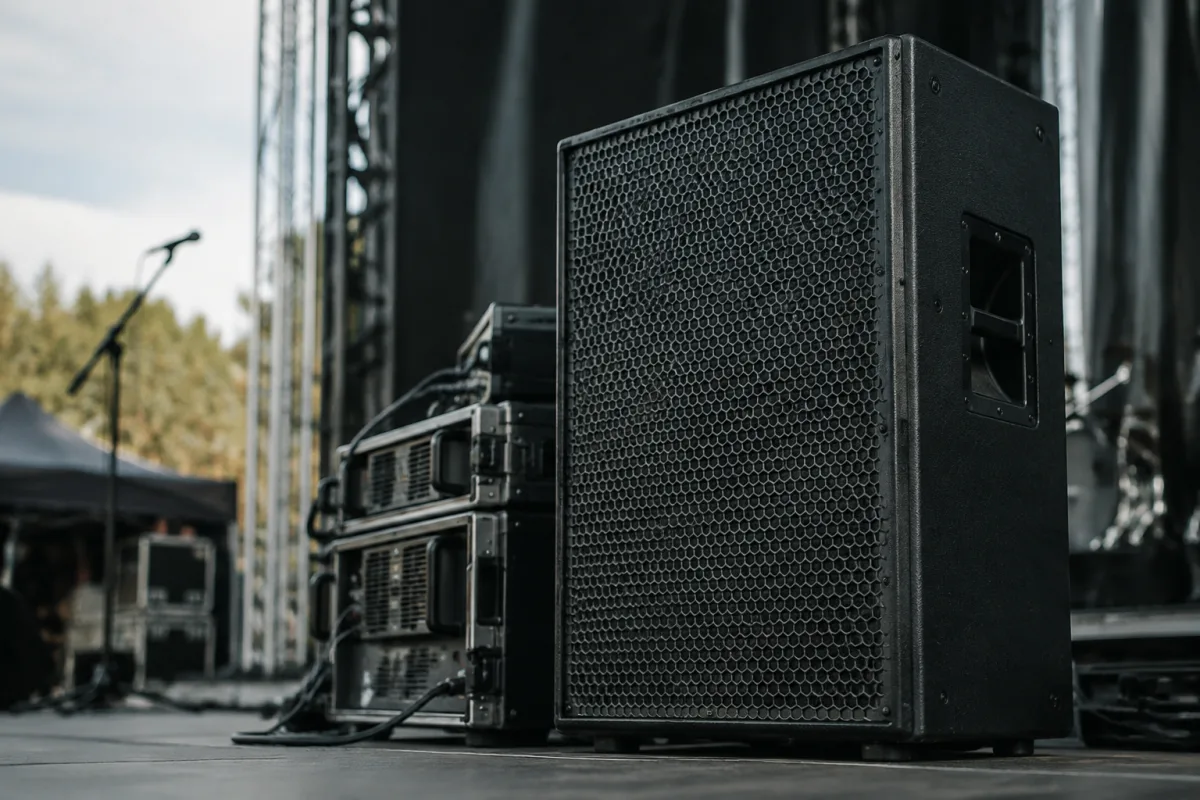
When you're starting with live sound amplification, discovering that Yamaha PA speakers remain industry favourites might ease your concerns significantly. Yamaha's reputation for reliability, intuitive design, and consistent performance makes their PA speakers surprisingly approachable for nervous beginners. Rather than feeling overwhelmed by unfamiliar technology, you're actually investing in tools trusted by experienced professionals across countless venues worldwide. This beginner's guide walks you through understanding Yamaha PA speakers, your first setup steps, and building confidence with equipment designed specifically for accessibility.
Why Yamaha PA Speakers Appeal to Beginners
Yamaha has built their reputation over decades by manufacturing reliable musical equipment accessible to users at every experience level. Yamaha PA speakers specifically reflect this philosophy – they're engineered for straightforward operation without sacrificing professional sound quality. This means you're not choosing between ease-of-use and performance; Yamaha delivers both.
Beginning sound engineers appreciate that Yamaha PA speakers feature consistent controls across their product range. Learning one Yamaha model familiarises you with fundamental concepts applicable to other professional equipment. This educational value extends beyond your current system.
Understanding Yamaha PA Speaker Types
Yamaha produces several PA speaker categories serving different needs. Powered speakers include built-in amplifiers, requiring only audio input connections – ideal for beginners because you're operating one integrated system rather than coordinating separate components. Passive speakers require external amplifiers, adding complexity unnecessary for nervous first-timers.
Yamaha's portable lines prioritise lightweight designs whilst maintaining professional sound quality. Their installation-grade speakers serve permanent venue setups. For beginners, portable Yamaha PA speakers suit most initial needs perfectly.
Your First Steps with Yamaha PA Speakers
Begin by reviewing your specific Yamaha model's quick-start guide rather than the complete manual. Most guides cover basic setup – powering on, connecting audio inputs, adjusting volume – within a few pages. This focused introduction prevents information overload.
Next, perform your first simple test. Connect a microphone to your Yamaha PA speaker. Speak normally, listening to how your voice amplifies. Adjust volume gradually, noticing responsiveness to your control input. This hands-on experience builds comfort immediately.
Experiment with tone controls (if your Yamaha model includes them). These typically include bass and treble adjustments. Start with middle positions, then adjust slightly to hear tonal differences. You're developing intuitive understanding of how controls influence sound.
Common Beginner Mistakes with Yamaha PA Speakers
Many beginners worry they'll damage Yamaha PA speakers through normal operation. These are professional tools engineered for regular use. Normal operation won't create problems. They're manufactured for durability.
Another frequent concern involves whether you're operating Yamaha PA speakers correctly. If your speakers amplify sound, accept microphone input, and respond to volume adjustments, you're operating them perfectly acceptably. Professional polish develops through consistent use.
Some nervous users maximise volume settings immediately, overwhelming audiences and creating feedback. Start conservatively – most performances operate well at 40–60% volume settings. You can always increase if needed.
Overlooking cable quality sometimes disappointment beginners. Cheap cables may produce noise or intermittent connections. Invest in quality audio cables – this prevents frustrating technical issues.
Essential Controls on Yamaha PA Speakers Explained
Master volume controls overall amplification – your primary adjustment during performances. Most Yamaha models feature intuitive volume controls clearly labelled.
Input level controls determine amplification for individual audio sources. Microphone inputs, line-level inputs, and auxiliary connections each have adjustable levels. Yamaha makes these controls clearly distinguishable so confusion is minimised.
Tone controls (bass and treble) adjust frequency response. Leave these at neutral initially. Adjust only if you notice problematic sound quality.
Power switches and input selection buttons are straightforward. Yamaha prioritises clear labelling so operation feels natural.
Building Confidence with Yamaha PA Speakers
Practice with your Yamaha PA speakers in familiar environments before public performances. Record audio through them, listen critically, and identify any adjustments needed. This experimentation builds confidence efficiently.
Perform for supportive friends using your Yamaha equipment. Collect feedback about sound quality and volume balance. These practice performances prepare you for public settings.
Connecting Multiple Devices to Yamaha PA Speakers
Start with a single microphone connected to your Yamaha PA speakers. Master this configuration completely. Only after comfortable operation, add additional inputs – instruments, audio players, additional microphones.
Yamaha PA speakers typically accept XLR microphone connectors and quarter-inch audio inputs. Your user guide specifies which connections your model supports. Music shop staff can confirm cable compatibility quickly.
Maintenance and Care for Your Yamaha PA Speakers
Keep your Yamaha PA speakers clean and dry. Wipe speakers occasionally with dry cloths. Avoid exposing them to extreme moisture or temperature changes. Store them in moderate conditions when not in use.
Verify cables remain secure before each performance. Loose connections create sound issues. Regular cable inspection prevents frustrations.
When Your Yamaha PA Speakers Seem Problematic
If your Yamaha PA speakers produce no sound, verify power connections are secure and the device is powered on. Check audio cable connections. Ensure volume controls aren't at minimum. These simple checks resolve most issues.
If sound is distorted, reduce input volume slightly. Distortion typically indicates excessive amplification rather than equipment failure.
Your Journey with Yamaha PA Speakers
Selecting Yamaha PA speakers marks excellent judgment – you're choosing equipment trusted by professionals worldwide. This decision demonstrates commitment to quality and reliability. You should feel confident about this investment.
For comprehensive guidance about Yamaha PA speakers and professional sound techniques, review our complete guide to Yamaha PA speakers, which explores equipment options and advanced sound applications.
Remember that Yamaha's reputation stems directly from equipment reliably serving users from complete beginners to touring professionals. You've chosen equipment designed specifically for your success. Embrace your learning process, enjoy your early performances, and let your Yamaha PA speakers amplify your voice and music into grateful audiences.



Comments