


Mackie PA Speaker Buying guide
Mackie Pa Speaker: A Complete Buyer's Guide
Mackie PA speakers are professional equipment at accessible prices. This buying guide covers which models offer value, when to buy, and what to avoid.
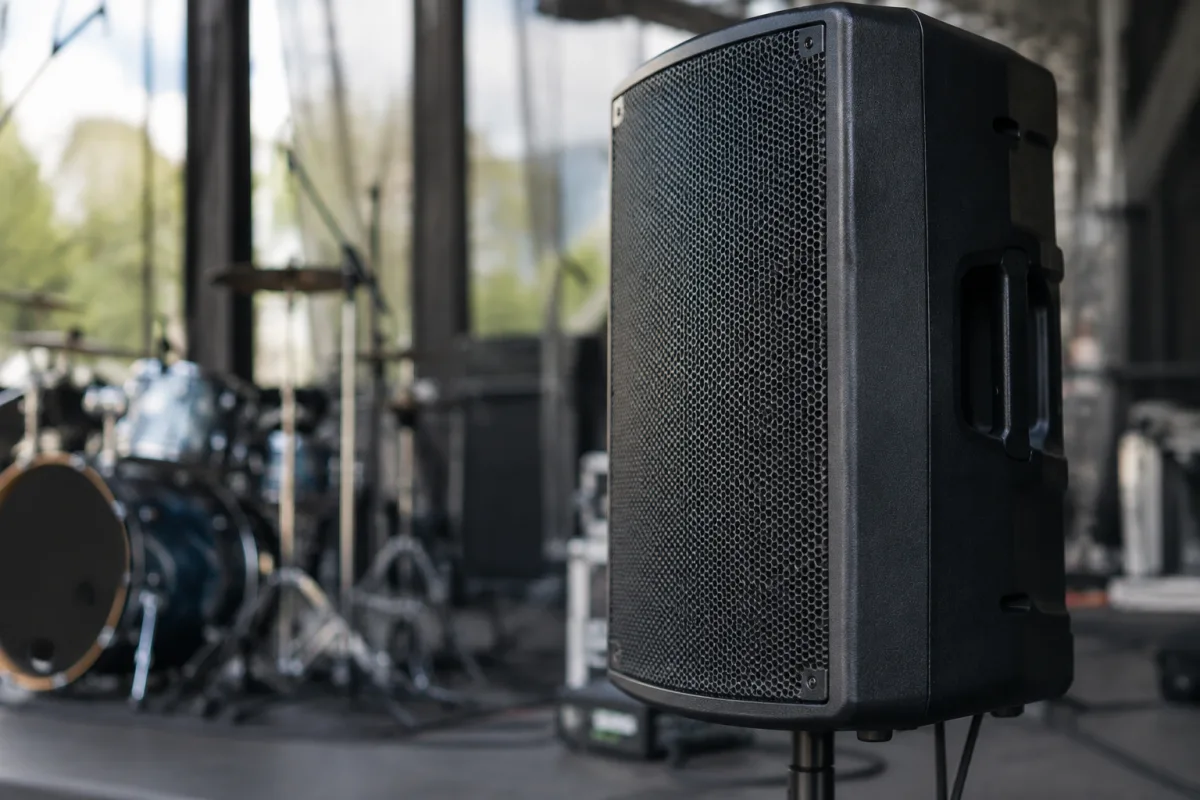
Buying a Mackie PA speaker is entering one of the most mature, competitive segments of live sound equipment. Mackie has built a reputation for reliability and value that spans decades. But "reputable brand" doesn't always mean "right for you." A Mackie PA speaker might be overkill for bedroom projects or insufficient for festival stages. This buying guide walks you through when Mackie PA speakers make sense, what models deliver actual value, what specs matter, and what alternatives might serve your needs better depending on your specific requirements.
Why Mackie PA Speakers Matter in the Live Sound Market
Mackie PA speakers represent the affordable professional bracket. They're not budget equipment—you're investing in proven reliability and professional sound quality. A Mackie PA speaker costs more than bedroom options but far less than premium club-grade equipment. This sweet spot means every small venue, touring band, and professional presenter who doesn't have access to permanently-installed sound systems relies on equipment like Mackie PA speakers. Understanding where Mackie fits helps you determine whether their pricing and capability match your needs.
The Mackie PA Speaker Lineup and Model Distinction
Mackie's active PA speaker range includes the SRM series (compact powered speakers good for small venues), the THR series (larger, more powerful options), and the Thump series (DJ-focused, bass-heavy tuning). For most buyers, the SRM series is the starting point. The SRM350 offers serious punch at moderate cost. The SRM450 steps up the SPL and features. Larger SRM610 and SRM815 models handle bigger venues. Each Mackie PA speaker tier represents genuine capability jumps, not marginal tweaks.
Mackie also offers passive speakers paired with external amplifiers, giving flexibility to buyers who already own amplification gear. But for most buyers, active Mackie PA speakers (amplification built-in) are the right choice—simpler setup, fewer cables, more reliability.
Critical Mackie PA Speaker Specifications to Evaluate
When shopping for a Mackie PA speaker, these specifications determine whether it matches your needs. SPL (Sound Pressure Level) measured at one metre tells you maximum loudness. A Mackie PA speaker offering 126dB SPL handles large venues; 120dB SPL suits smaller rooms. Frequency response (typically 50Hz to 20kHz on Mackie PA speakers) is adequate for most uses, though larger Mackie PA models offer more extended bass.
Input options on Mackie PA speakers matter considerably. Most include XLR mic inputs and 1/4-inch line inputs. Premium Mackie PA models add USB input for laptops or direct smartphone connectivity. Driver sizes (woofer and tweeter measured in inches) correlate loosely to capability; larger drivers move more air but demand more power.
Price Tiers for Mackie PA Speakers: Understanding Value
The Mackie PA speaker market has clear pricing tiers representing genuine capability differences.
Entry-level Mackie PA speakers (£250–£500): Models like the SRM350 deliver professional sound quality at a price point small venues can justify. These Mackie PA speakers work beautifully for bands, DJs, and presenters in venues up to roughly 100 people. They're reliable workhorses.
Mid-range Mackie PA speakers (£500–£1,200): The SRM450 and larger SRM610 models handle bigger venues and more demanding applications. These Mackie PA speakers are serious professional equipment, not stepping stones. Many touring bands carry Mackie PA speakers at this tier.
Premium Mackie PA speakers (£1,200–£2,500): Larger models like the SRM815 deliver exceptional power and refinement. These Mackie PA speakers serve festival stages and permanent installations. They're statement purchases, not workhorse necessities.
When a Mackie PA Speaker Makes Financial Sense
Mackie PA speakers are sensible purchases when you need reliability without boutique pricing. A small band that rents PA equipment monthly will save money within a year by owning a Mackie PA speaker. A regular presenter who carries their own equipment benefits from Mackie PA reliability. A DJ working multiple venues weekly finds Mackie PA speakers justify their cost. If you're using PA equipment regularly and can't rely on venues to provide it, Mackie PA speakers represent solid value.
Bedroom producers don't need Mackie PA speakers. Neither do venues with permanently-installed systems. Match the equipment to your actual use case before committing to the Mackie PA speaker investment.
Common Mackie PA Speaker Buying Mistakes
Most buyers make predictable errors when selecting a Mackie PA speaker. Avoid these:
- Buying larger Mackie PA speakers than you need: A Mackie SRM815 is genuinely powerful but weighs significantly more, costs more, and requires more robust transport. Start with compact Mackie PA speakers. Upgrade later if you genuinely need more power.
- Ignoring weight and portability: Larger Mackie PA speakers are heavy. The SRM815 weighs 26kg per unit. If you're carrying your own equipment regularly, this matters. Lighter compact Mackie PA speakers demand less physical toll over time.
- Assuming passive speakers are cheaper: Passive Mackie PA speakers cost less than active models, but require external amplification, cables, and setup complexity. For most buyers, active Mackie PA speakers offer better value.
- Not considering your actual venue sizes: A Mackie SRM450 handles bands in venues up to 200 people comfortably. If you're consistently playing larger venues, you'll need a Mackie PA speaker tier up. Conversely, spending on massive Mackie PA speakers when you play small venues is wasteful.
- Confusing a Mackie PA speaker with a subwoofer: A Mackie PA speaker alone doesn't provide deep bass reproduction. If you mix bass-heavy electronic music or hip-hop, pair your Mackie PA speaker with appropriate subwoofers.
- Buying without auditioning in person: Online reviews help, but hear a Mackie PA speaker in your own room if possible. Frequency response and tone signature vary between models. Your ear is the final judge.
Alternatives to Mackie PA Speakers
The active PA speaker market includes competitive alternatives. JBL offers similar capability at similar pricing (slightly different character). QSC makes premium active speakers with more features. Behringer offers cheaper alternatives with less refinement. For most professional users, Mackie and JBL are the benchmarks. Cheaper brands offer value but sacrifice reliability; premium brands offer features most users won't use.
Testing a Mackie PA Speaker Before Buying
Visit a music retailer and spend time with your target Mackie PA speaker model. Bring audio you'll actually use (live vocals, backing tracks, your band's mix). Play it through the Mackie PA speaker at realistic volumes. Does the tone satisfy you? Is bass clarity adequate? Does it handle peaks without distortion? Does high-volume use feel comfortable (some speakers get fatiguing)? Trust your ear, not marketing claims.
For Complete Mackie PA Speaker Details and Specifications
If you want detailed specifications, comparisons between specific Mackie PA speaker models, technical information, or advanced setup guidance, our complete Mackie PA speaker guide covers everything comprehensively. This guide focuses on the buying decision itself. Right now, remember: a Mackie PA speaker is a professional tool worth the investment if you use PA equipment regularly. Match it to your actual needs before committing.
Making Your Mackie PA Speaker Purchase Decision
Answer these questions honestly: Will you use PA equipment regularly enough to justify ownership? Can you transport your Mackie PA speaker comfortably (considering weight)? What's your typical venue size? What's your budget? These answers guide your Mackie PA speaker selection. Rent before buying if possible—most retailers offer rental options. Use a rented Mackie PA speaker for a full gig before purchasing. If it becomes your go-to system, buy confidently. If you find yourself wishing for different features or more power, the rental period identified a wrong choice. Buy based on authentic usage, not marketing appeal or brand prestige.



Comments