


Yamaha PA Systems article
Yamaha Pa Systems for Beginners: A Complete Guide
Yamaha PA systems are deliberately engineered for straightforward operation, making them ideal for beginners. This guide focuses on making your first experience comfortable and productive.
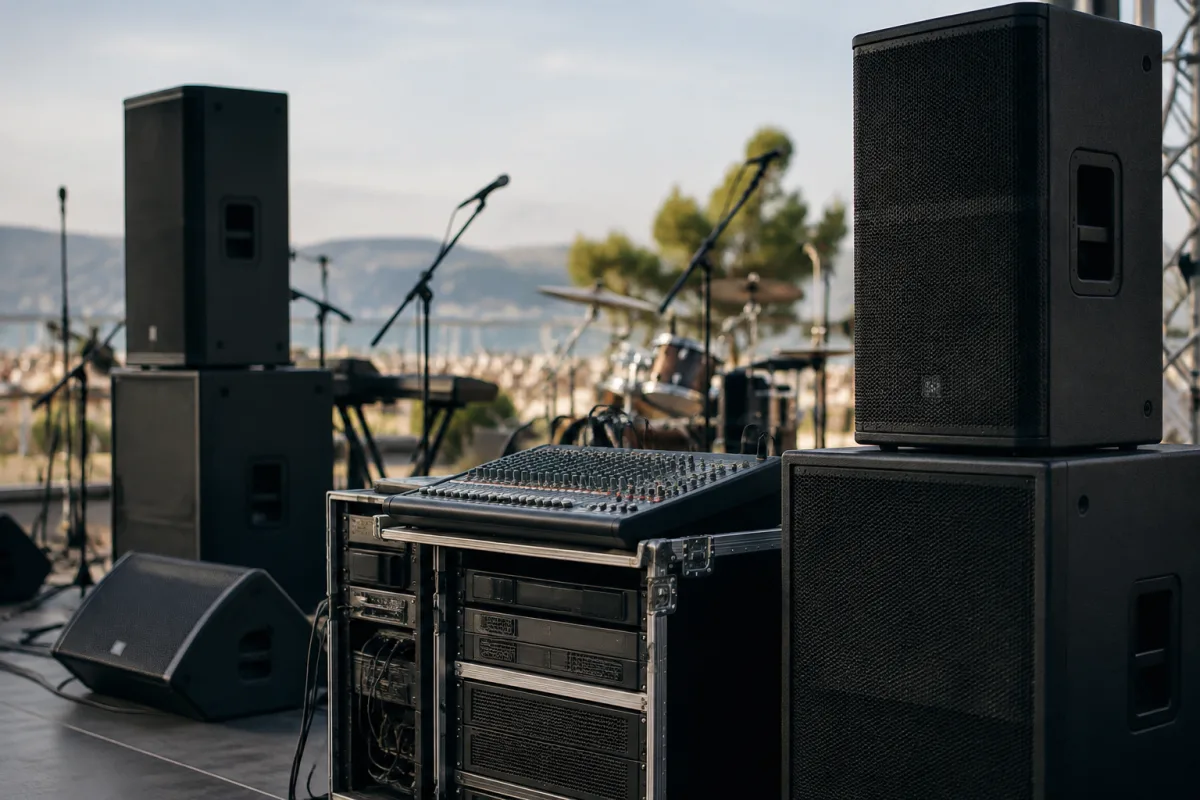
Discovering Yamaha PA systems as a beginner in live sound can feel overwhelming—powerful brands, technical specifications, and expensive equipment create anxiety for those taking first steps into audio. Here's the encouraging reality: Yamaha PA systems are deliberately engineered for straightforward operation, making them ideal for beginners. This guide focuses specifically on making your first experience with Yamaha PA systems comfortable, productive, and genuinely fun. You'll quickly realise that quality equipment from trusted manufacturers like Yamaha simplifies rather than complicates your journey into live sound.
Why Yamaha PA Systems Are Beginner-Friendly
Yamaha built their reputation on reliability and user-friendly design, and their PA systems reflect these principles throughout. The controls use clear, intuitive layouts without unnecessary complexity. Documentation and user manuals read plainly without excessive jargon. Support and replacement parts remain readily available worldwide. The sound quality consistently impresses, making your events immediately sound better without requiring expertise. Perhaps most importantly, other operators worldwide use identical Yamaha models, meaning your colleague or mentor likely has hands-on experience with your specific system. This community familiarity accelerates learning dramatically. Yamaha chose to build beginner-friendly equipment rather than assuming operators possess technical expertise—a philosophy that reduces anxiety considerably.
Understanding Yamaha PA Systems' Basic Components
Yamaha PA systems typically combine several elements into integrated packages. The mixer forms the system's heart, receiving microphone and instrument signals and routing them through amplifiers to speakers. The amplifier section boosts weak audio signals to levels strong enough for audiences. Speaker configurations vary from compact portable systems to larger installations, though all follow identical operating principles. The system's physical design emphasises durability and straightforward setup, reducing time from unboxing to first sound. Cables and connectors employ standard audio industry specifications, meaning you can repair or replace components using common parts. Understanding this basic architecture—audio sources feeding a mixer, which connects to amplifiers, which drive speakers—clarifies how Yamaha PA systems function without requiring technical mastery.
Your First Successful Experience Setting Up Yamaha PA Systems
Begin with Yamaha's own quick-start guides; they're written specifically for beginners without experience. Unpack the system slowly, examining each component and reading brief descriptions. Don't rush; understanding what you're unpacking prevents confusion during setup. Follow the colour-coded cable connections; Yamaha deliberately uses matching colours simplifying the connection process. Once physically connected, power everything on in the sequence the manual recommends. Test by speaking into a microphone; hearing your voice through the speakers provides immediate positive feedback confirming everything works. This simple success motivates continued engagement and proves the system functions as intended.
Common Beginner Concerns with Yamaha PA Systems (Spoiler: They're Normal)
Many beginners worry about accidentally breaking expensive equipment through incorrect operation. Reassuringly, Yamaha PA systems include protection against common mistakes. Accidentally plugging cables incorrectly won't damage components; connectors are designed safely. Turning volume controls fully clockwise won't break anything; the amplifier simply reaches maximum output. Switching channels or toggling buttons won't harm components. These protective design features prove intentional—manufacturers recognise beginners will experiment and build equipment accordingly. Your experimentation actually represents learning and skill development, not dangerous incompetence. This permission to explore without fear transforms your relationship with the equipment from anxious to confident.
Fundamental Yamaha PA Systems Operation Steps
Operating Yamaha PA systems follows a logical sequence experienced operators perform identically. First, confirm all cables are properly connected before powering anything on. Second, power everything on in manufacturer-recommended sequence; usually master amplifier last. Third, set all volume controls to minimum or off positions. Fourth, power on audio sources gradually, increasing individual channel volumes slowly. Fifth, monitor audio quality listening carefully for distortion, feedback, or unusual noise. Sixth, adjust levels for comfortable audience listening volume. Seventh, test all microphone channels and input devices confirming functionality. Finally, maintain levels throughout your event, making small adjustments as needed. This straightforward sequence applies identically across all Yamaha systems and all events, making it reliably learnable.
Managing Feedback and Common Issues Without Panic
Feedback—that squealing sound—causes anxiety in beginners assuming equipment failure. Reassuringly, feedback results from straightforward causes beginners easily manage. Audio looping occurs when microphone output feeds back into the system, creating the distinctive squealing. Simply reduce volume slightly, move the microphone away from speakers, or mute channels temporarily. This simple cause-and-effect relationship means you actually diagnose and solve feedback independently, building competence and confidence. Similarly, one-channel silence usually indicates that channel's switch being disabled; toggle it and audio returns immediately. Distorted sound typically means volume set too high; reduce slightly and tone improves. These common issues all have simple solutions within beginner capability. Approaching them as puzzles to solve rather than catastrophic failures prevents panic and focuses problem-solving efforts.
Building Confidence Through Gradual Practice with Yamaha PA Systems
Confidence with Yamaha PA systems develops through hands-on experience, not reading manuals. Ask your venue if you can practice with the system during off-hours. Record yourself speaking into microphones whilst adjusting mixing controls; immediate audio feedback builds intuitive understanding. Practice mixing two audio sources—perhaps a vocalist and guitar—adjusting their balance. Notice how small volume adjustments significantly affect audience experience. Spend time simply experimenting with controls, listening carefully to how changes affect sound. This hands-on exploration transforms abstract concepts into tangible, learnable skills. Recording practice sessions and reviewing them later accelerates understanding dramatically; you hear directly how your adjustments affect sound quality.
When to Ask for Help and Finding Yamaha PA Systems Expertise
Recognise when problems exceed beginner troubleshooting capability. Equipment displaying physical damage, unusual noises beyond simple feedback, or complete failure to respond requires expert assessment. Yamaha PA systems include documentation contact information; manufacturers often provide technical support helping diagnose issues. Local audio rental companies maintain Yamaha equipment and willingly help troubleshoot problems when you ask. Experienced sound engineers in your venue represent invaluable learning resources—ask about their experiences with the specific Yamaha system you're using. Online Yamaha PA systems user communities provide peer support from operators facing identical challenges. Requesting help represents professional maturity and equipment respect, demonstrating you care enough to seek expertise rather than guessing and potentially causing damage.
Moving Beyond Beginner Stage with Yamaha PA Systems
As comfort develops through practice, gradually undertake more sophisticated operations. Try mixing three or more audio sources simultaneously. Experiment with tone controls shaping frequencies. Learn about proper microphone positioning improving sound quality. Study different cable routing options understanding their effects. Attend workshops specifically addressing Yamaha PA systems operation. Watch experienced operators during real events observing their techniques and decision-making. Join online communities where you can ask questions and share learning. Your progression from nervous beginner to comfortable operator happens gradually through consistent engagement, gentle learning, and celebration of progress.
For comprehensive information about Yamaha PA systems and advanced techniques, explore our complete guide to Yamaha PA systems.


Comments