


Yamaha PA Systems Buying guide
Yamaha Pa Systems: A Complete Buyer's Guide
Selecting Yamaha PA systems requires understanding your venue, event types, and budget. This guide helps identify which system genuinely solves your sound reinforcement needs.
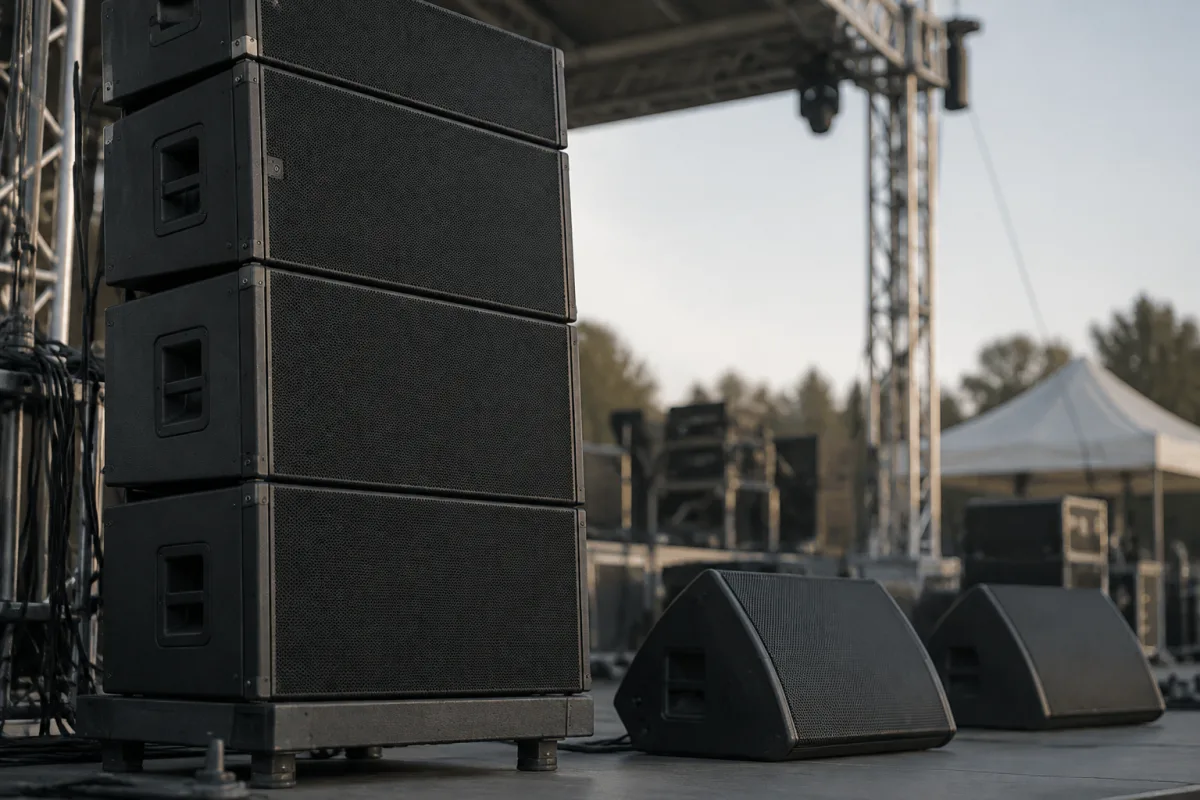
Selecting Yamaha PA systems for your venue, event company, or touring operation requires understanding your specific acoustic challenges, venue characteristics, and budget constraints rather than simply purchasing the highest-output model available. Yamaha's comprehensive PA lineup spans portable systems for small events through large-scale installations for major venues, with engineering excellence and reliability that define professional sound reinforcement standards. This buying guide helps you identify which Yamaha PA system genuinely solves your sound reinforcement requirements without overshooting capabilities you'll never utilise.
Understanding Yamaha's PA System Landscape
Yamaha manufactures PA systems across several categories distinguished by deployment model and application. Portable powered systems integrate amplification and processing in compact, mobile designs ideal for touring companies, mobile DJs, and event professionals requiring flexibility. These systems prioritise setup speed and portability over maximum output.
Column speaker arrays deliver uniform coverage across challenging room shapes through vertical speaker stacking, particularly valuable in narrow venues, conference spaces, and installations where traditional speaker placement options don't exist. Yamaha's column systems deliver surprising output from modest footprints.
Line array systems represent professional-grade deployments for large venues and outdoor events, providing precise coverage control and exceptional output capacity. These require dedicated amplification and sophisticated rigging, representing investments suited to established touring companies and large permanent installations.
Powered subwoofers extend bass response for venues and applications requiring low-frequency reinforcement. Yamaha's subs integrate seamlessly with their speaker systems, delivering seamless frequency response integration across the spectrum.
Critical Specification Understanding
Output power, measured in watts, determines maximum volume capability. Small venues (100-200 attendees) typically need 500-1000 watts total output. Medium venues (200-500 people) usually require 2000-4000 watts. Large venues (500+ people) demand 8000+ watts often distributed across multiple speaker stacks.
Frequency response range indicates which frequencies the system reproduces effectively. Most Yamaha PA systems cover 50Hz to 20kHz adequately for speech and most musical applications. If your typical programming includes heavy electronic bass or extended low-frequency content, verify frequency response extends sufficiently or plan subwoofer integration.
Coverage angle describes the horizontal and vertical area each speaker effectively covers. Wider coverage angles suit open spaces but scatter sound unnecessarily in tight venues. Narrower angles concentrate sound where audiences sit, reducing wasted output and echo problems. Yamaha's specifications clearly define coverage angles for each model.
Input options matter significantly for integration with your mixing console or audio source. Professional-grade XLR connectors, appropriate input count, and signal routing flexibility determine whether you'll integrate systems seamlessly or face frustrating workarounds.
Portable Versus Installation Systems: Choosing Your Deployment Model
Portable systems prioritise mobility and quick setup, with built-in amplification eliminating separate amplifier requirements. These suit touring sound companies, event professionals needing regular venue changes, and users valuing convenience over absolute performance. Setup and teardown typically require 30 minutes or less.
Installed systems separate speakers, amplifiers, and processing, distributing components throughout venues for optimal coverage. Installation systems offer superior coverage control and output scaling but require longer deployment times and venue-specific configuration. These suit permanent installations, venues with dedicated technical staff, and touring operations with sufficient crew for complex setups.
Many professional operations maintain both: portable systems for flexibility and smaller events, permanent installations in regularly-used venues. This hybrid approach provides maximum operational flexibility.
Yamaha PA System Series Overview
| Series | Best For | Output Range | Key Advantage | Price Tier |
|---|---|---|---|---|
| Portable Powered Series | Mobile DJs, touring musicians, events | 500-2000W | Quick setup, mobility, simplicity | £500-2000 |
| Column Array Series | Venues with odd shapes, installations | 400-1200W per unit | Compact footprint, uniform coverage | £800-2500 per unit |
| Full-Range Systems | Live music venues, large events | 1000-4000W | Balanced frequency response, flexibility | £2000-6000 |
| Line Array Systems | Large venues, festivals, touring | 5000W+ | Precise coverage, maximum output | £5000-15000+ |
| Subwoofer Systems | Venues requiring extended bass | 500-2000W | Deep bass integration, flexible deployment | £1000-4000 |
Budget Tiers and Value Assessment
Compact portable systems (£500-1000) suit casual event professionals and small-scale applications. Expect adequate sound quality and basic functionality without extensive feature sets. These systems handle speech and light music effectively but lack headroom for demanding applications.
Professional portable systems (£1000-3000) represent the sweet spot for most mobile sound professionals. These deliver professional sound quality, adequate output for venues up to several hundred people, and build quality supporting regular touring. Most event companies and touring acts operate in this tier.
Premium systems (£3000+) deliver exceptional sound quality, extensive output scaling, and professional-grade construction. These justify their cost through extended durability and refined capabilities for high-demand applications.
Venue-Specific Considerations Before Purchase
Visit venues where you'll regularly deploy systems. Walk the spaces, stand in audience areas, assess acoustic challenges. Rooms with hard surfaces and long reverberation times demand different speaker placement and coverage strategies than absorptive environments with short reverb times.
Assess available electrical infrastructure. Large systems require adequate dedicated power circuits—overloading general-purpose circuits causes breaker trips during critical events. Confirm venues provide proper power before installing systems demanding significant draw.
Evaluate mounting and rigging options. Portable systems typically stand on stands or ground positioning. Permanent installations might require rigging from ceiling structures. Confirm your venues accommodate your preferred deployment method.
Integration with Mixing Consoles and Processing
Modern Yamaha PA systems integrate with digital mixing consoles and external processing, though many portable options include onboard mixing capabilities. Assess whether you'll use built-in mixing or integrate with external consoles. This decision affects total system cost and operational flexibility.
Digital signal processing (DSP) functions like equalization, delay, and dynamics processing optimise sound in challenging rooms. Yamaha's professional systems include sophisticated onboard processing. Simpler systems offer basic controls. Determine processing sophistication you genuinely need versus convenience features you'll never use.
Reliability and Support Expectations
Yamaha equipment has earned legendary reputation for reliability through decades of professional service. Verify warranty coverage and availability of service support in your region. Establish relationships with Yamaha-authorised service providers before purchasing expensive systems.
Familiarise yourself with basic troubleshooting. Understanding common issues (speaker connections, amplifier settings, signal routing) prevents panic when problems arise during events. Yamaha provides comprehensive documentation supporting self-service diagnosis and resolution.
Planning Expansion and Future Growth
Purchase systems allowing growth without complete replacement. Stackable designs, modular amplifier configurations, and expandable speaker arrays enable adding capacity as your business grows. This strategy prevents stranded investment in obsolete equipment.
Consider lease versus purchase decisions for occasionally-used systems. If you'll deploy specific equipment fewer than 20-30 times annually, renting from professional rental companies often costs less than ownership when calculating depreciation and storage expenses.
Further Resources and Technical Information
For comprehensive information about Yamaha PA systems and their applications across different venues and event types, explore our complete guide to Yamaha PA systems, which covers technical specifications, installation approaches, and professional deployment strategies.
Making Your System Selection
Start by honestly assessing your typical venue sizes and event requirements. This immediately indicates appropriate output ranges and deployment models. Then visit venues where you'll regularly work, understanding acoustic challenges and physical constraints. Finally, compare Yamaha systems matching your requirements across your budget range, prioritising reliability and build quality over feature counts you'll never utilise.
Remember that PA systems represent infrastructure investments supporting your business or event production. Purchasing the cheapest option often creates operational headaches and customer dissatisfaction far exceeding initial savings. Invest appropriately in equipment supporting your professional standards and client expectations.


Comments