


Audio Mixer with Bluetooth Buying guide
Audio Mixer With Bluetooth: A Complete Buyer's Guide
An audio mixer with Bluetooth adds wireless convenience, but quality mixing matters most. This buying guide covers essential specs, price tiers, Bluetooth reliability, and how to avoid overpaying for features you won't use.
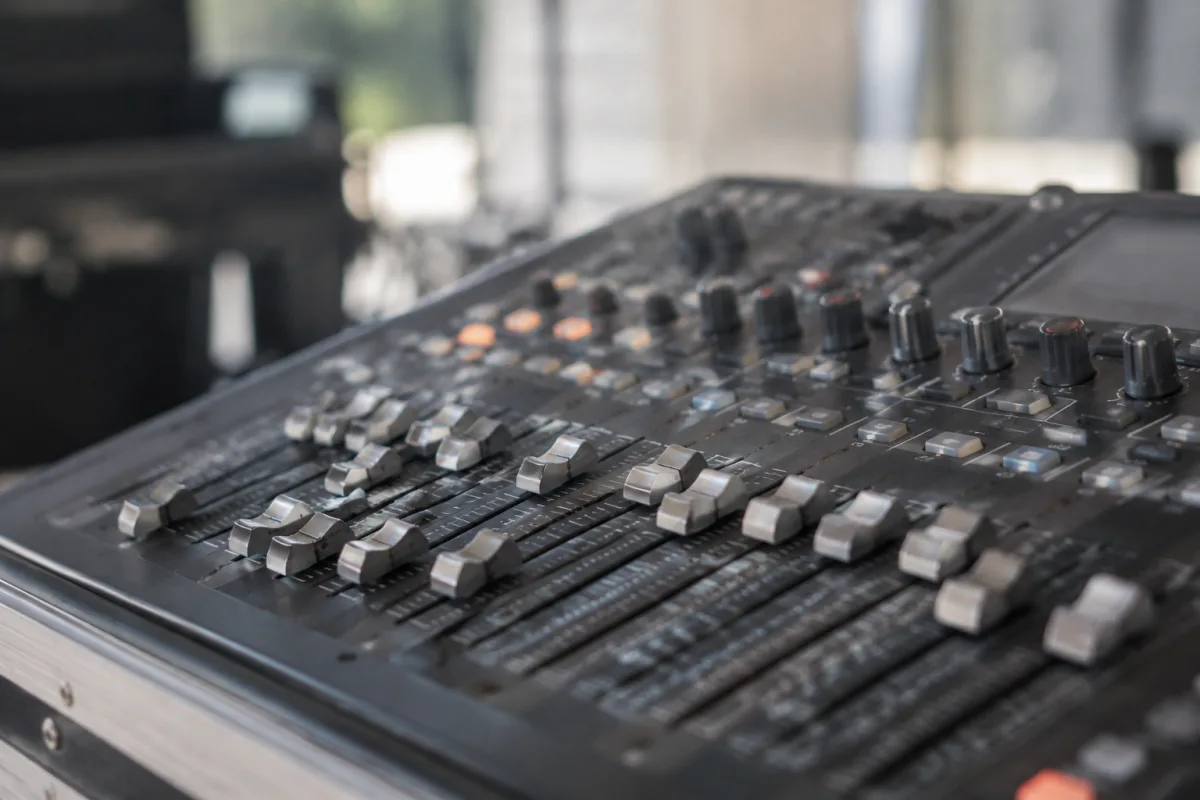
You want an audio mixer with Bluetooth. Wireless audio convenience is attractive—stream from your phone, integrate multiple sources, eliminate cable clutter. But choosing the right audio mixer with Bluetooth means understanding what Bluetooth actually does on a mixing console, which features justify the cost, and which products deliver real value versus marketing hype. This guide focuses on what matters when buying.
Understanding Bluetooth on Audio Mixers: What It Actually Does
Bluetooth on an audio mixer with Bluetooth lets you stream audio wirelessly from phones, tablets, or laptops directly into the mixer. This bypasses traditional wired inputs and offers convenience. Here's what to understand: Bluetooth adds cost and complexity. It's genuinely useful for some applications, unnecessary for others. Before paying extra, confirm you'll actually use it.
Quality Bluetooth on audio mixers with Bluetooth maintains reasonable audio fidelity. However, Bluetooth inherently sacrifices some audio quality compared to wired connections. For critical audio work, wired inputs are superior. For background music, podcasts, or casual mixing, Bluetooth works fine.
Key Specs to Compare Before Buying
When evaluating any audio mixer with Bluetooth, these specifications separate good products from mediocre ones:
- Channel count: How many inputs can your audio mixer with Bluetooth handle? Count all sources you'll use simultaneously. A 6-channel mixer might support: microphone + guitar + backing track + Bluetooth stream + two more sources. Avoid undersizing.
- Input types and impedance: Verify the mixer has the right input connectors for your devices—XLR for microphones, 1/4" for instruments, RCA or 3.5mm for keyboards. Impedance matching prevents noise and signal loss.
- Bluetooth version and codec support: Newer Bluetooth (5.0+) offers better range and reliability than older standards. Some audio mixers with Bluetooth support aptX or other high-quality codecs for better wireless audio fidelity. Check these details.
- Output options: Where does your mixed signal go? An audio mixer with Bluetooth needs proper main outputs (XLR, RCA, or 3.5mm). USB audio output is useful for recording to computers.
- Built-in effects and EQ: Basic 3-band EQ is standard. Built-in effects (reverb, delay) are bonus features. Don't choose an audio mixer with Bluetooth based solely on effects—a basic mixer with proper levels and gain staging is more useful.
- Phantom power for condenser microphones: If you use condenser mics, confirm your audio mixer with Bluetooth provides 48V phantom power on the XLR channels.
Price Tiers and Value Assessment
Audio mixers with Bluetooth cluster into distinct price brackets:
- Budget (£50-150): Basic mixing functionality with Bluetooth added as marketing. Often sacrifices channel isolation, has limited EQ, and questionable Bluetooth reliability. Risky for serious work.
- Mid-range (£150-400): Solid mixing platform with reliable Bluetooth. Good channel isolation, decent preamps, useful built-in EQ. Suitable for small venues, studios, and home recording.
- Professional (£400-1000+): Heavy-duty mixers with broadcast-quality audio, advanced routing, redundant inputs, and robust Bluetooth. Overkill for beginners.
Most buyers should target mid-range. You get genuine mixing capability without paying for features you won't use.
Bluetooth Reliability: Critical Considerations
Bluetooth reliability varies dramatically between products. Before buying, understand these factors:
- Connection stability: Does the audio mixer with Bluetooth maintain a stable connection, or does it frequently drop and reconnect? Read reviews specifically about connection drops.
- Pairing process: Can you pair and unpair devices quickly, or is it tedious? An audio mixer with Bluetooth should remember recent devices and reconnect automatically.
- Range: How far can you move your phone from the mixer before signal degrades? 10 metres is typical. Some mixers manage 30 metres. Check specifications.
- Interference susceptibility: Do WiFi networks or other Bluetooth devices cause dropouts? An audio mixer with Bluetooth in a busy wireless environment (like a venue or event space) needs robust shielding.
These issues are application-specific. A bedroom recording setup tolerates occasional dropouts. A live venue mixer cannot.
Common Buying Mistakes with Bluetooth Audio Mixers
Avoid these pitfalls:
- Buying Bluetooth first, mixing capability second: The Bluetooth feature doesn't matter if the core mixing quality is poor. Prioritise mixing performance.
- Assuming smaller is always better: Compact audio mixers with Bluetooth sacrifice channel isolation and physical control room. For serious mixing, size is necessary.
- Overlooking USB connectivity: Many modern mixers offer USB audio I/O for computers. If you plan to record, this matters more than Bluetooth in many workflows.
- Ignoring noise floor specifications: Cheap mixers have high noise floors—audible hiss even when quiet. Check signal-to-noise ratio before buying.
- Assuming all Bluetooth implementations are equal: Older Bluetooth chipsets on budget audio mixers with Bluetooth are noticeably worse than modern implementations. Don't assume you're getting the same wireless quality on a budget mixer.
- Not testing with your actual devices: Before buying, if possible, test the audio mixer with Bluetooth using your specific phone or tablet. Compatibility issues are rare but happen.
Specific Use Cases and Appropriate Specs
Choose based on application:
- Home recording: 4-6 channels, USB output, Bluetooth for convenience. Professional specs unnecessary. Budget: £100-250.
- Small event or venue (10-50 people): 8-16 channels, multiple microphone inputs, Bluetooth for phone audio, main XLR outputs. Budget: £250-600.
- Studio use: 12+ channels, phantom power, flexible routing, USB I/O. Bluetooth is optional bonus. Budget: £300+.
- Live band mixing: Minimum 12-16 channels, robust build quality, comprehensive I/O, backup power options. Bluetooth is nice-to-have. Budget: £500+.
Wired vs. Bluetooth Inputs: Practical Trade-offs
Bluetooth is convenient but has trade-offs:
- Audio quality: Wired connections preserve higher fidelity. Bluetooth introduces compression and potential latency.
- Reliability: Wired connections never drop. Bluetooth can disconnect, especially in RF-heavy environments.
- Convenience: Bluetooth offers wireless freedom. Perfect for integrating phone audio without adding XLR/RCA cables.
Ideal approach: choose an audio mixer with Bluetooth that has strong wired inputs AND Bluetooth. Use wired for critical sources (microphones, instruments), Bluetooth for convenience sources (background music, phone backing tracks).
Maintenance and Firmware Updates
Check whether your audio mixer with Bluetooth receives firmware updates. Bluetooth stability and reliability often improve through software updates. Buy from manufacturers known for ongoing support, not one-time releases.
Making Your Purchase Decision
Establish your actual use case first. Count inputs needed, confirm Bluetooth will genuinely improve your workflow, and verify build quality and reviews specifically addressing Bluetooth stability. Don't buy Bluetooth as a gimmick.
For detailed comparisons of specific audio mixers with Bluetooth and advanced technical information, see the complete guide to audio mixers with Bluetooth.
Final Perspective
An audio mixer with Bluetooth is a modern convenience, but mixing quality matters far more than wireless connectivity. Buy for core functionality first. Bluetooth is a bonus—useful when it works, helpful when it doesn't dictate your choice. Choose wisely and you'll integrate wireless audio seamlessly. Choose poorly and you'll regret the added cost for a feature you rarely use.


Comments