


Rcf Powered Monitors Buying guide
Rcf Powered Monitors: A Complete Buyer's Guide
Selecting RCF powered monitors requires understanding power output, venue size, and model differences. This guide covers specifications, price tiers, and what to check before buying.
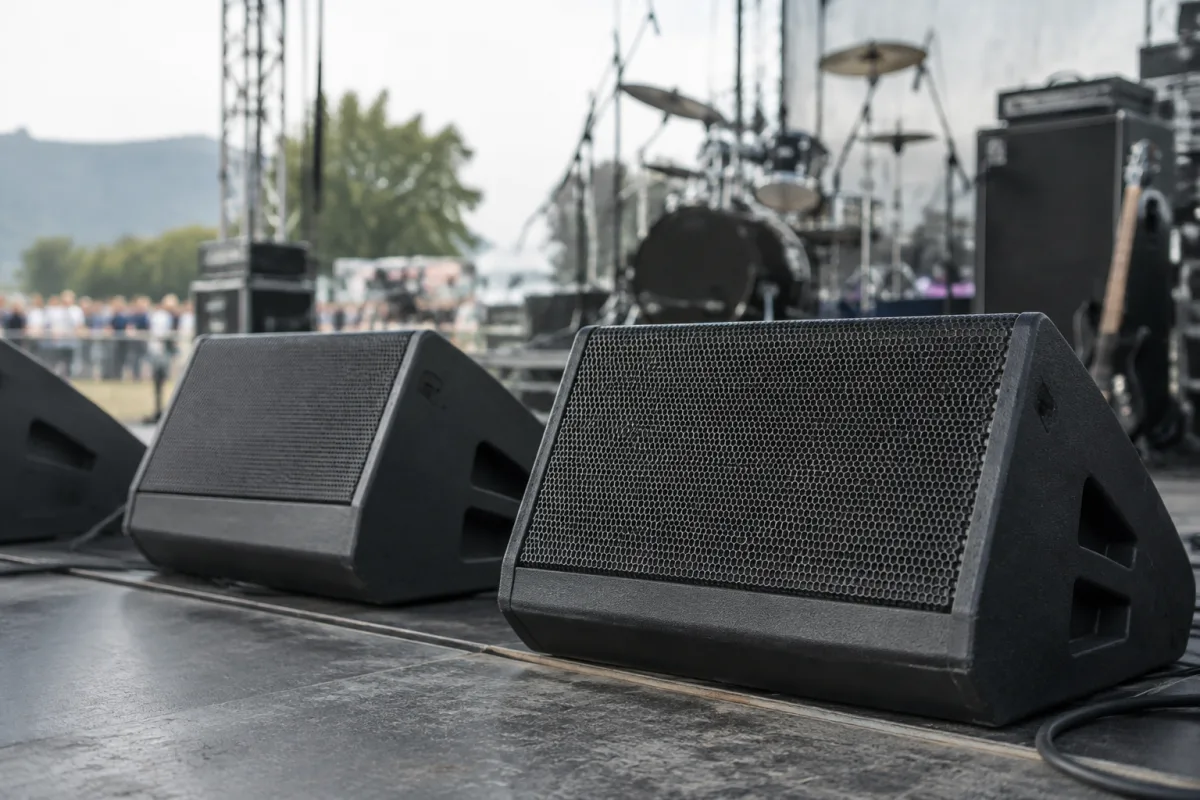
RCF powered monitors are a workhorse choice for venues, touring bands, and live sound professionals worldwide. Yet buying RCF powered monitors—whether for a permanent installation or mobile use—requires understanding what models exist, which specifications genuinely matter, and how to match RCF powered monitors to your venue's size and requirements. This buying guide focuses entirely on the purchase decision: what makes RCF powered monitors distinct, which models offer value at different price points, what to inspect before purchasing, common mistakes to avoid, and how to calculate total system cost for RCF powered monitors.
Why Choose RCF Powered Monitors?
RCF powered monitors are built for professional use, engineered to withstand repeated touring setup and breakdown cycles, and supported by strong technical communities and replacement-part availability. Unlike budget powered monitors that fail after a season or two, RCF powered monitors maintain functionality and resale value over years. Sound professionals favour RCF powered monitors because reliability matters more than saving £100 upfront.
RCF powered monitors deliver consistent coverage patterns, built-in amplification, and easy setup—connect one XLR cable and power, and you have monitoring. This simplicity makes RCF powered monitors ideal for venues lacking technical staff or touring musicians needing quick setup.
Understanding RCF Powered Monitor Models
RCF manufactures several lines of powered monitors suited to different applications:
- ART Series RCF Powered Monitors: Entry-level professional RCF powered monitors offering exceptional value for small venues and rehearsal spaces. The ART series RCF powered monitors deliver reliable performance at accessible prices—typically £400–£800 per unit.
- E Series RCF Powered Monitors: Mid-range RCF powered monitors with enhanced features and better sound quality than ART models. E series RCF powered monitors suit working bands and medium venues, costing £800–£1,500 per unit.
- M Series RCF Powered Monitors: Tour-grade RCF powered monitors built for demanding professional environments. M series RCF powered monitors cost £1,500–£2,500+ per unit but deliver durability and sound quality justifying the investment for touring or high-use installations.
- TMH RCF Powered Monitors: Compact high-output RCF powered monitors designed for tight spaces. TMH series RCF powered monitors pack substantial power into small cabinets, ideal for monitor wedges and limited-space applications.
Identify your venue size and usage type first, then narrow RCF powered monitors selection within the appropriate model tier.
Key Specifications for Buying RCF Powered Monitors
When evaluating RCF powered monitors options, focus on these critical specs:
- Power Output: Measured in watts, RCF powered monitors range from 300W to 1000W+. Larger venues need higher-powered RCF powered monitors; smaller spaces need less. A 500W RCF powered monitor suits most working situations.
- Frequency Response: RCF powered monitors typically handle 60 Hz–20 kHz. Lower frequencies mean deeper bass response; important if you're monitoring low instruments like kick drums or bass guitar. Verify RCF powered monitors frequency specs match your monitoring needs.
- Maximum SPL: This shows how loud RCF powered monitors can play. Expect 95–105 dB SPL from professional RCF powered monitors. Higher SPL allows monitoring in louder venues without driving RCF powered monitors into distortion.
- Driver Size and Configuration: RCF powered monitors use combinations of 8-inch, 10-inch, and 12-inch woofers with compression-driver tweeters. Larger drivers suit bass monitoring; smaller drivers emphasise vocals. Choose RCF powered monitors driver sizes matching your monitoring priorities.
- Input Options: Check RCF powered monitors connections. Standard XLR is essential; some RCF powered monitors include 1/4-inch, RCA, or digital inputs. Verify your mixer's monitor outputs match the RCF powered monitors inputs you're considering.
RCF Powered Monitors Price Tiers
Budget RCF powered monitors (under £400) are entry-level models sometimes lacking the durability of higher-tier RCF powered monitors. Avoid ultra-cheap options for professional use.
Mid-range RCF powered monitors (£400–£1,000) represent the core of RCF's lineup. Most working venues rely on this tier of RCF powered monitors—good value, reliable performance, and strong resale markets.
Premium RCF powered monitors (£1,000–£2,500) suit touring operations and venues demanding absolute reliability. Professional RCF powered monitors at this tier are built to withstand intensive use.
Ultra-premium RCF powered monitors (£2,500+) are specialist models for extreme applications. Most buyers don't need this tier.
Common Mistakes When Buying RCF Powered Monitors
Live sound professionals frequently make these purchasing errors with RCF powered monitors:
- Underestimating power requirements: Buying under-powered RCF powered monitors forces you to crank them into distortion. Get RCF powered monitors with 25% more power than you think you need. Underpowered RCF powered monitors are false economy.
- Ignoring venue acoustics: The same RCF powered monitors sound dramatically different in a carpeted room versus a concrete-floored warehouse. Test RCF powered monitors in your actual venue before purchasing large quantities.
- Overlooking cable requirements: Budget for XLR cables, stands, and covers when calculating total RCF powered monitors cost. RCF powered monitors alone don't create a complete monitoring system.
- Confusing models: RCF manufactures many similar models with different performance characteristics. Verify you're comparing identical RCF powered monitors models across vendors.
- Buying based on peak specs alone: Two RCF powered monitors with identical wattage can sound and perform very differently. Listen to RCF powered monitors before purchasing if possible.
Venue Size Guidelines for RCF Powered Monitors
Small rehearsal spaces and intimate venues (capacity under 100) work fine with RCF powered monitors in the 300–500W range. Medium venues (100–300 capacity) typically need 500–750W RCF powered monitors. Larger venues (300+ capacity) benefit from higher-power RCF powered monitors or multiple units.
Remember that RCF powered monitors serve performers, not audiences. You need enough power for band members to hear reliably across the stage, not to fill the entire room.
New vs. Used RCF Powered Monitors
Used RCF powered monitors typically cost 50–70% of new prices. Professional RCF powered monitors hold value well and remain reliable through multiple owners. Inspect used RCF powered monitors carefully for physical damage, electrical issues, and speaker integrity before purchasing. Buying used RCF powered monitors from reputable sellers who offer returns is safer than private sales.
Conclusion
Buying RCF powered monitors requires identifying your venue size, selecting appropriate power output (typically 500–750W for most working situations), and verifying model specifications match your monitoring needs. Budget for complete systems including cables, stands, and cases alongside the RCF powered monitors themselves. Mid-range RCF powered monitors offer excellent value; avoid ultra-cheap options for professional use. For deeper context on RCF's history in professional audio, how different powered monitor technologies evolved, and their role in live sound systems, explore our comprehensive guide to RCF powered monitors and professional monitoring solutions.



Comments