


Dmx Lighting Buying guide
Dmx Lighting: A Complete Buyer's Guide
Choosing the right DMX lighting system means understanding universes, channel capacity, connectivity options, and real-world performance. This buying guide explains specifications, highlights pitfalls, and clarifies pricing to help you select the system your production actually needs.
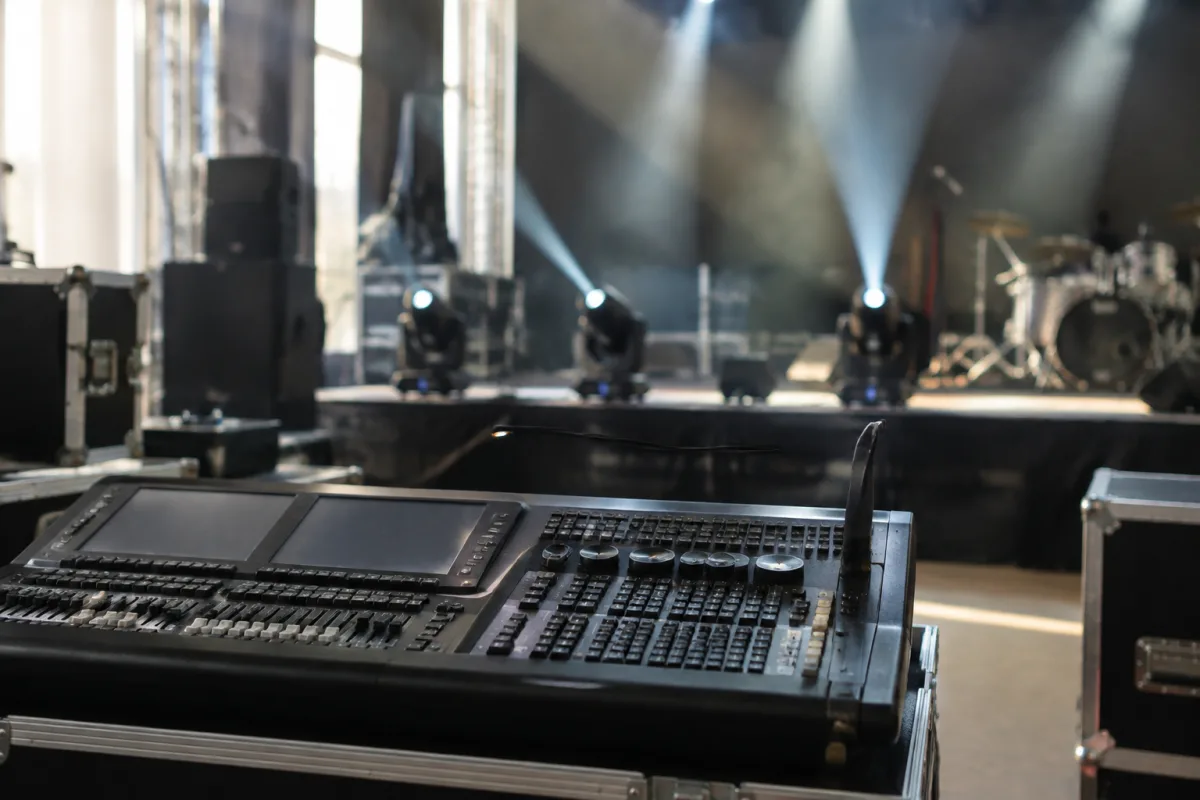
Purchasing DMX lighting systems requires navigating technical specifications, understanding real-world performance limitations, and matching capability to your budget. Whether you're equipping a small venue, upgrading a touring rig, or establishing a community theatre's lighting control, knowing which specs matter separates smart purchases from expensive mistakes. This guide walks you through the buying decision, highlighting the specifications you should examine, common pitfalls, realistic price expectations, and how to evaluate whether a particular system justifies its cost.
Understanding DMX Universe Capacity: Your First Specification
DMX channels come in standardised units called universes, each containing 512 channels. Your first purchasing decision involves determining how many universes you actually need. A small venue with twenty fixtures might require only one universe. A touring production with hundreds of fixtures requires multiple universes. The critical mistake many buyers make is purchasing a controller designed for one universe when future growth demands more—ending up needing a costly upgrade within months.
Calculate your real requirements, then add thirty percent for future expansion. A single universe controller costs significantly less than a dual-universe system, but if you'll eventually need more capacity, buying dual-universe from the start proves economical. Many venues find that a two-universe controller remains relevant for years, making it a better investment than single-universe for anything but the most minimal installations.
Fixture Count and Channel Density
Each fixture consumes a different number of channels depending on its capabilities. A basic moving light might consume eight channels (pan, tilt, colour, intensity, and several effects). A more sophisticated fixture demands twenty-five channels. Before selecting any DMX system, inventory the fixtures you'll control, calculate their total channel consumption, and verify that your controller handles that load.
Don't assume all fixtures operate identically. LED PAR cans consume fewer channels than moving heads. Older conventional fixtures require fewer channels than intelligent lighting. Many buyers discover mid-installation that their new controller doesn't support the channel configuration their fixture requires—an expensive and time-consuming realisation. Always cross-reference fixture channel requirements against your controller's specifications.
Physical Connectivity: More Than Cable Jacks
Examine the physical connectors on any DMX lighting system you're considering. Three-pin and five-pin XLR connectors remain the industry standard, but some budget systems occasionally use non-standard connectors, creating headaches when you need to integrate with other equipment. Verify that your system uses industry-standard connections before committing to purchase.
Consider the number of output ports as well. A system with four DMX outputs allows you to split fixtures into multiple chains, improving redundancy and troubleshooting flexibility. A single-output system offers no such flexibility. If you're running a mission-critical installation, multiple outputs justify the higher cost.
Software Interface and Control Philosophy
DMX lighting systems range from simple hardware controllers with physical faders to sophisticated software-based systems. The distinction matters more than many buyers realise. Physical fader systems offer tactile control and require no computer—reliable in live situations where computers might fail. Software-based systems offer greater flexibility and programmability but introduce dependency on a computer's stability.
Examine the learning curve. Some DMX lighting controllers offer intuitive interfaces immediately accessible to newcomers. Others require significant training investment. If you're buying for an organisation with rotating operators, prioritise systems offering quick operator training. The software interface you're comfortable with matters less than one your actual users can operate effectively under pressure.
Budget Tiers and Realistic Performance
Entry-level DMX lighting systems (under £500) typically offer basic fixture control with limited channel capacity—suitable for tiny installations or learning purposes. These systems work reliably within their specifications but offer little growth potential. Expect limited software capabilities and simple user interfaces.
Mid-range systems (£500-£2000) deliver robust performance for small-to-medium venues. Expect support for multiple universes, more sophisticated programming features, and better build quality. These systems handle professional touring and permanent installations effectively. Most mid-sized venues and production companies find value in this tier.
Professional systems (£2000-£10000+) offer the sophistication required for complex productions, touring operations, and integration with additional control protocols beyond DMX. These systems deliver reliability, flexibility, and features that justify their premium pricing only when your installation's complexity demands them. Don't overpay for features you won't use; equally, don't cheap out if your actual needs require professional-grade capability.
Software Updates and Support Longevity
Before purchasing, investigate the manufacturer's track record for software updates. Controllers receiving regular updates gain bug fixes, compatibility improvements, and new features—extending their useful lifespan. Controllers abandoned by manufacturers become increasingly unreliable as operating systems and external software evolve.
Check whether the manufacturer provides technical support and how responsive they are to reported issues. A system from an established manufacturer with a reputation for support protection represents better long-term value than a bargain-basement option from a company offering no support infrastructure.
Integration Capabilities Beyond DMX
Modern production environments increasingly require integration between DMX lighting, audio systems, video playback, and show control software. Evaluate whether your potential purchase supports MIDI, sACN, Art-Net, or other protocols your production might need. A system limited to raw DMX control becomes a liability when integration demands expand.
Some sophisticated venues require show control capabilities allowing a single operator to trigger lighting, audio, and effects simultaneously. Verify that your DMX lighting purchase supports these integration requirements. Discovering compatibility issues after purchase means costly workarounds or expensive system replacements.
Physical Robustness and Road-Worthiness
If your DMX lighting system will tour, prioritise build quality and portability. Controllers designed for touring feature reinforced casings, secure cable connections, and compact form factors. Venue-permanent installations can prioritise features over durability, but touring systems must survive repetitive packing, transport, and setup.
Examine the power supply as well. Systems with international voltage switching adapt easily to different venues. Systems requiring specific voltage become problematic when touring internationally. Verify that your purchase includes appropriate regional power adapters.
Common Purchasing Mistakes to Avoid
Mistake one: buying without calculating channel requirements. Many venues discover too late that their controller doesn't support their fixture configuration, leading to costly workarounds or replacement.
Mistake two: prioritising initial cost over longevity and support. The cheapest DMX lighting system frequently becomes the most expensive when support disappears and upgrades become necessary.
Mistake three: purchasing for current needs without considering foreseeable growth. Adding universes or capabilities later often requires complete system replacement rather than simple expansion.
Mistake four: overlooking software complexity. A system offering tremendous power remains useless if your team can't operate it effectively during productions.
Making the Final Purchase Decision
Create a detailed specification document outlining your fixture inventory, channel requirements, required outputs, software integration needs, and budget. Use this specification to evaluate competing systems objectively. Request demonstrations from manufacturers, prioritise systems from established vendors offering proper support, and verify that your purchase actually addresses your documented requirements.
Don't be persuaded to overspend on features you won't use, but equally, don't cheap out on essential capabilities. The right DMX lighting purchase aligns specifications with actual needs, providing reliable operation today and flexibility for reasonable future growth. For comprehensive technical details and alternative approaches to lighting control, consult the complete guide to DMX lighting.
Your DMX lighting investment represents years of productions, events, and experiences. Choosing wisely means choosing a system that reliably serves your needs today and adapts to your demands tomorrow.


Comments