


Conference PA System article
Conference Pa System for Beginners: A Complete Guide
Setting up your first conference PA system doesn't have to be complicated. This beginner's guide walks you through the essentials, from basic setup to troubleshooting common issues.
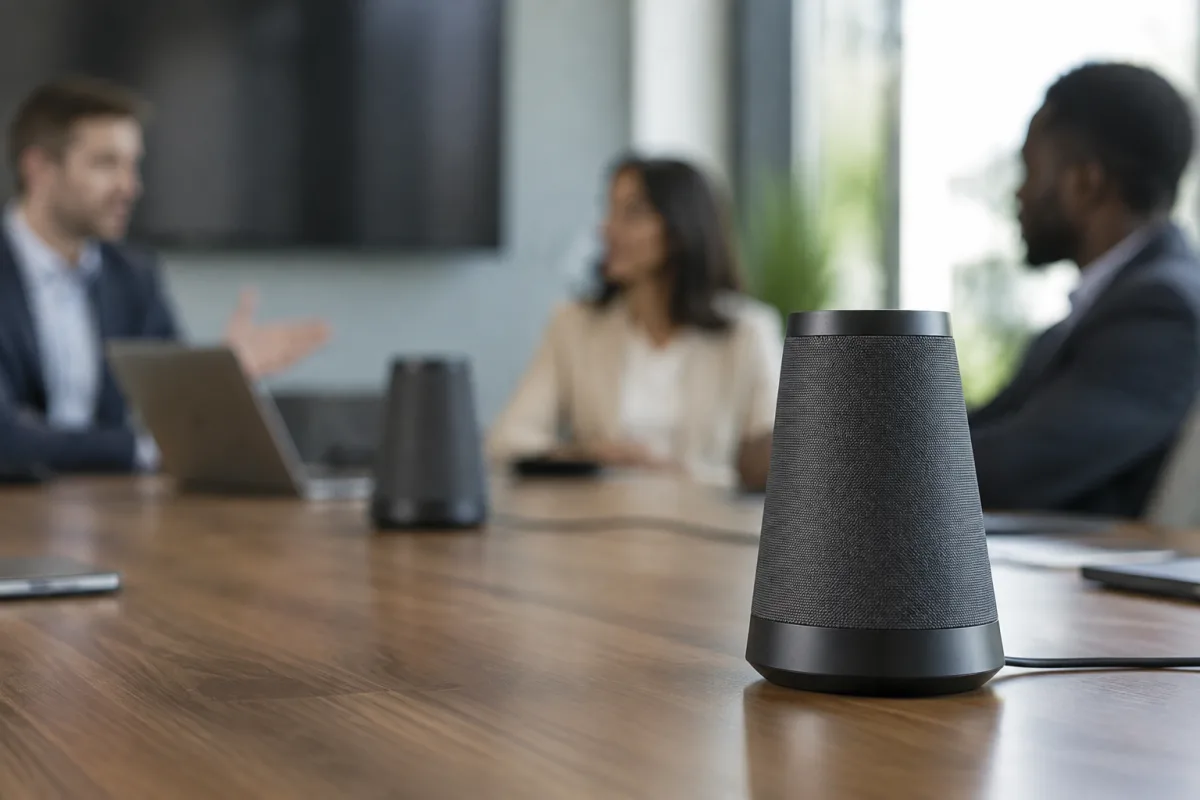
Setting up your first conference PA system can feel daunting, especially when you're faced with unfamiliar equipment and technical jargon. But here's the good news: a conference PA system is designed to make your life easier, not harder. Whether you're running a small company meeting, a workshop, or a community event, this guide will walk you through the fundamentals without overwhelming you with unnecessary complexity.
Why a Conference PA System Makes Sense for You
A conference PA system simply amplifies sound so everyone in your venue can hear clearly. Unlike massive live-sound setups used at concerts, a conference PA system is built for speech intelligibility and ease of use. You don't need to be an audio engineer to use one successfully. Most modern conference PA systems come ready to go out of the box—plug in a few cables, turn it on, and you're ready to be heard.
The Core Components You'll Need
Don't overthink this. A basic conference PA system has just three essential pieces:
- Amplifier/mixer unit — The brain of the system. It receives audio input and sends it to speakers. Many modern systems combine this with wireless microphone receivers built in.
- Speakers — Usually one or two cabinets that sit on the floor or hang from stands. They project your voice or audio to the audience.
- Microphone — Typically wireless for conferences so speakers can move freely. A wired handheld or lavalier works too, depending on your needs.
That's genuinely all you need to start. Some systems add extra features like Bluetooth connectivity for playing background music or a USB input for presentations, but those are nice-to-haves, not must-haves.
Getting Started: The First Time Setup
Here's the easiest path to getting your conference PA system running:
- Unpack the system and place the speaker(s) where your audience can see and hear them. A central position is ideal.
- Plug the power cable from the mixer/amplifier into a wall outlet. Don't switch it on yet.
- Connect the speaker cable(s) to the amplifier. Usually there's a clearly marked speaker output. Push the connectors firmly until they click.
- If your system has a wireless microphone, follow the included instructions to pair it with the receiver (usually just powering on both).
- Flip the power switch to the amplifier. You should see an indicator light.
- Test the microphone by speaking into it at normal volume. Adjust the microphone level on the mixer so it's audible without feedback (a high-pitched squeal).
That's genuinely it. You don't need to memorize technical specs or tweaking settings. Keep it simple on your first go.
Avoiding the Most Common Beginner Mistakes
Most problems stem from a handful of easily preventable errors:
- Turning up the microphone level too high. This causes feedback, the ear-splitting squeal that makes everyone wince. Start low and increase gradually until people can hear comfortably.
- Placing the speaker facing the wrong direction. Point speakers toward your audience, not toward a wall or corner. Sound bounces and causes echo and confusion.
- Using the microphone too close to the speaker. Imagine the speaker is your audience's ear—keep the mic at arm's length away from it to avoid feedback.
- Forgetting to charge wireless microphone batteries beforehand. Dead batteries are the enemy. Charge everything the day before your event.
- Ignoring the user manual. Yes, it's tempting to skip it, but it takes five minutes to read and will save you twenty minutes of confusion.
Your First Event: Practical Tips
The day you use your conference PA system for the first time, do a soundcheck at least 15 minutes before guests arrive. Ask a friend to sit in the back and confirm they can hear clearly. Speak at your normal conference voice (not shouting—that's a rookie mistake). If you need to adjust anything, do it then, not once the event is running.
Keep your hand on the microphone level control. If feedback happens, quickly turn the level down slightly. It's not a disaster; it's just a sign you need less gain. Most conference venues are forgiving—audiences expect minor technical hiccups and appreciate that you're trying to make yourself heard.
If you're using any additional features like background music or video, test them with a laptop or device beforehand. Know which input you're using (auxiliary, USB, Bluetooth) so you're not hunting for it during the event.
Troubleshooting the Most Common Issues
If something goes wrong, take a breath. It's usually something simple:
- No sound? Check that the amplifier is powered on, the microphone is switched on, and the level isn't turned all the way down.
- Sound cuts out? The wireless microphone might be out of range (usually around 30 metres). Move closer to the receiver or check the battery.
- Horrible feedback? Turn down the microphone level immediately. Move the microphone further from the speaker. Check that you're not standing directly in front of the speaker.
- Very quiet? Increase the microphone level gradually. Make sure the speaker cables are connected firmly.
If you've tried these and still have issues, consult the manual or ring the manufacturer's support line. Don't fiddle with settings you don't understand—that usually makes things worse.
Moving Forward: When You're Ready for More
Once you've successfully run a few events and built your confidence, you might explore advanced features. Some conference PA systems let you add extra speakers for larger venues, integrate with presentation software, or use multiple microphones simultaneously. For now, knowing the basics puts you firmly in control, and that's what matters.
Many users find they rarely need anything beyond the core setup. A conference PA system is refreshingly user-friendly once you understand what each button does. You've already taken the biggest step by deciding to learn. The rest is practice.
Conclusion
A conference PA system is your ally for being heard clearly. Start simple, test everything beforehand, and remember that most problems have straightforward solutions. Your audience will appreciate the clear sound, and you'll feel confident knowing your voice reaches everyone in the room. With these fundamentals under your belt, you're ready to run your first event with genuine peace of mind.


Comments