


Column PA System Buying guide
Column Pa System: A Complete Buyer's Guide
Selecting the right column PA system means matching power to venue size and understanding coverage patterns. Learn what specs matter and which tier suits you.
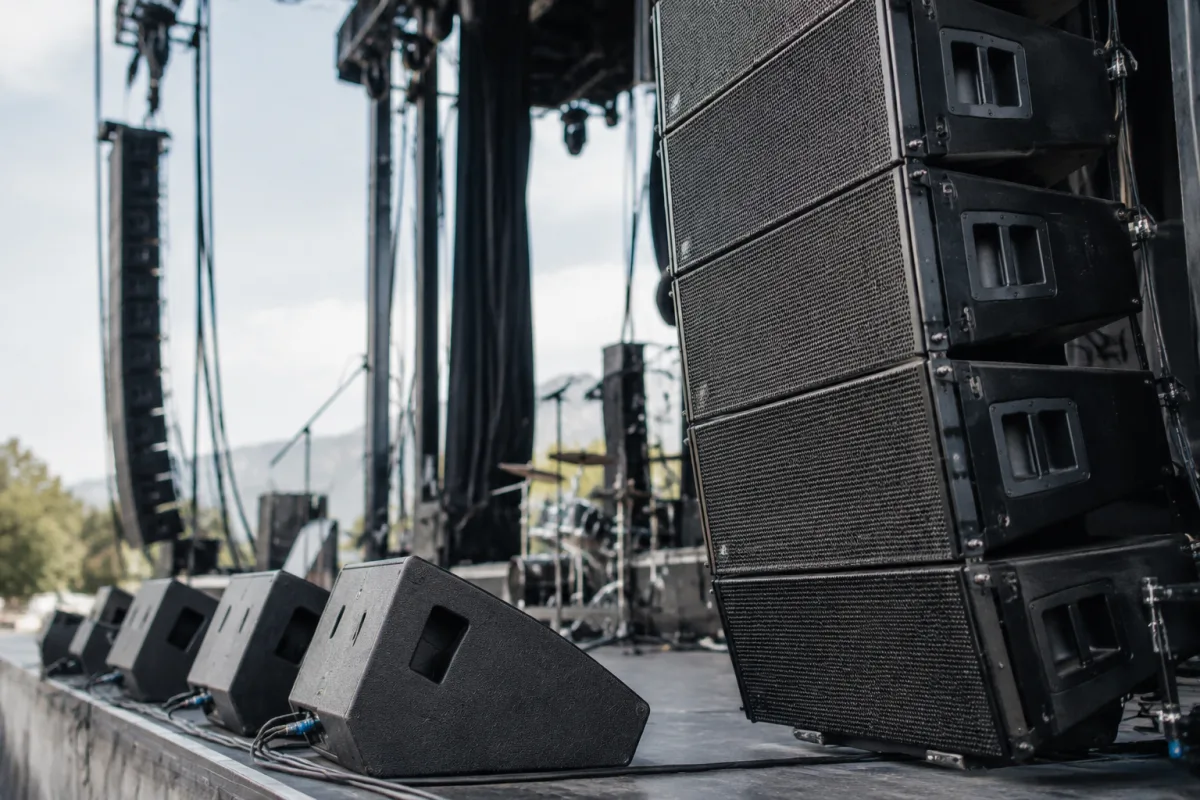
Choosing the Right Column PA System for Your Needs
A column PA system is a vertical speaker array designed for wide, even coverage in small to medium venues. They're portable, elegant, and offer excellent sound coverage without the bulk of traditional speaker stacks. Choosing the right one requires understanding power requirements, coverage patterns, build quality, and price tiers. This guide helps you navigate those decisions.
Power and Wattage: Matching Venue Size
Low power (300–500W): Suitable for rooms up to 150 people. Coffee shops, small churches, intimate lounges. Achieves good clarity; may lack bass impact in larger spaces. Affordable and portable.
Medium power (600–1200W): The sweet spot for most venues. Handles 150–400 people comfortably. Lounges, small clubs, larger church spaces. Punchy enough for live bands and DJs; still moveable by one or two people.
High power (1500W+): Large venues, 400+ attendees. Outdoor festivals, ballrooms, conferences. Excellent projection and bass; requires serious rigging or a dedicated tech. Often bundled as complete PA systems rather than standalone columns.
Honestly assess your biggest likely venue. Don't buy for a venue you might play five years from now—buy for where you'll actually use it. Undersized is better than overkill because undersized is portable.
Coverage Patterns and Speaker Configuration
A good column array has multiple small drivers stacked vertically rather than a single large one. This creates consistent coverage across the venue's width and depth. Check the specification: what's the horizontal and vertical coverage pattern? 120° horizontal is standard and good. Vertical coverage should be tight—around 10–20°—so sound projects forward without bouncing off ceilings.
Frequency response matters. If the spec says 50Hz–18kHz, it covers most live sound adequately. Anything lower (50Hz or below) suggests a subwoofer is necessary for bass-heavy music. Anything higher is luxury. Check whether the column includes built-in bass drivers or if you'll need separate subs for punch.
Build Quality and Ruggedness
Columns get transported, dropped, and weathered. Materials matter enormously. Plywood cabinets are affordable but dent and degrade. Fibreglass is lightweight and durable—standard for touring rigs. Aluminium is excellent but pricey. Check the grill protection: a cheap plastic grille shatters on impact; better models use metal mesh.
Weight and transportability are vital. A 40kg column is a single-person carry; 60kg requires two people or a trolley. For frequent moves, weight quickly becomes the deciding factor. Test the carrying handles or dolly compatibility in person.
Connectivity and System Integration
What inputs does the column accept? XLR connectors are industry standard. RCA is cheaper but less reliable for professional use. 1/4" jack is common on budget models. Confirm it works with your mixer and microphones.
Does the column include onboard mixing, tone controls, or EQ? Budget models are passive (no built-in processing). Mid-range options often include basic EQ. Professional columns integrate fully with modern mixers and processing chains. Understand what you're getting.
Price Tiers and Value
Budget (£300–600): Basic column systems from brands like Behringer or Soundcraft. Adequate for learning or casual use. Trade-offs: modest build, limited coverage, basic connectors. Fine for hobby bands in small venues.
Mid-range (£800–2000): Solid performers from QSC, JBL, or Electro-Voice. Professional build, reliable coverage, better connectivity. Standard for working bands and venues. Most of the market lives here.
Premium (£2500+): Concert-grade systems with exceptional components, weatherproofing, and processing. Rarely necessary for gigging bands; typically for permanent installations or touring acts.
Common Buyer Mistakes
Don't buy too much power thinking it's "future-proof." Oversized systems are heavier, costlier, and overkill for venues you'll realistically play. Start appropriately sized; upgrade if you consistently maxes out your current rig.
Don't ignore impedance and speaker loading. Mismatched impedance causes distortion and equipment damage. Check that all components (amps, columns, subs) work together at the same impedance—usually 4 ohms in live sound.
Don't cheap out on connectivity. Invest in quality XLR cables and adapters. A crackly, intermittent connection ruins a performance. Buy decent components; cheap connectors cost more in frustration and lost gigs.
Testing Before Commitment
Most live sound retailers rent systems or offer returns. Test a column PA system in a space similar to your largest venue. Bring your mixer, mic, and music. Listen for even coverage, bass extension, and overall clarity. Does the sound fatigue your ears after an hour? That's a sign of poor frequency balance. If possible, A/B compare two different brands in the same space.
For more information on how column PA systems integrate into larger sound reinforcement setups and when to add subwoofers or additional elements, see our complete guide to column PA systems.



Comments