


Hi-Fi System article
Everything You Need to Know About Argos Hifi Systems
A hi-fi system is an integrated collection of audio components—source, amplifier, speakers and preamp—designed to reproduce recorded music with accuracy and detail. Building one thoughtfully, not haphazardly, is the difference between genuine sound quality and expensive disappointment.
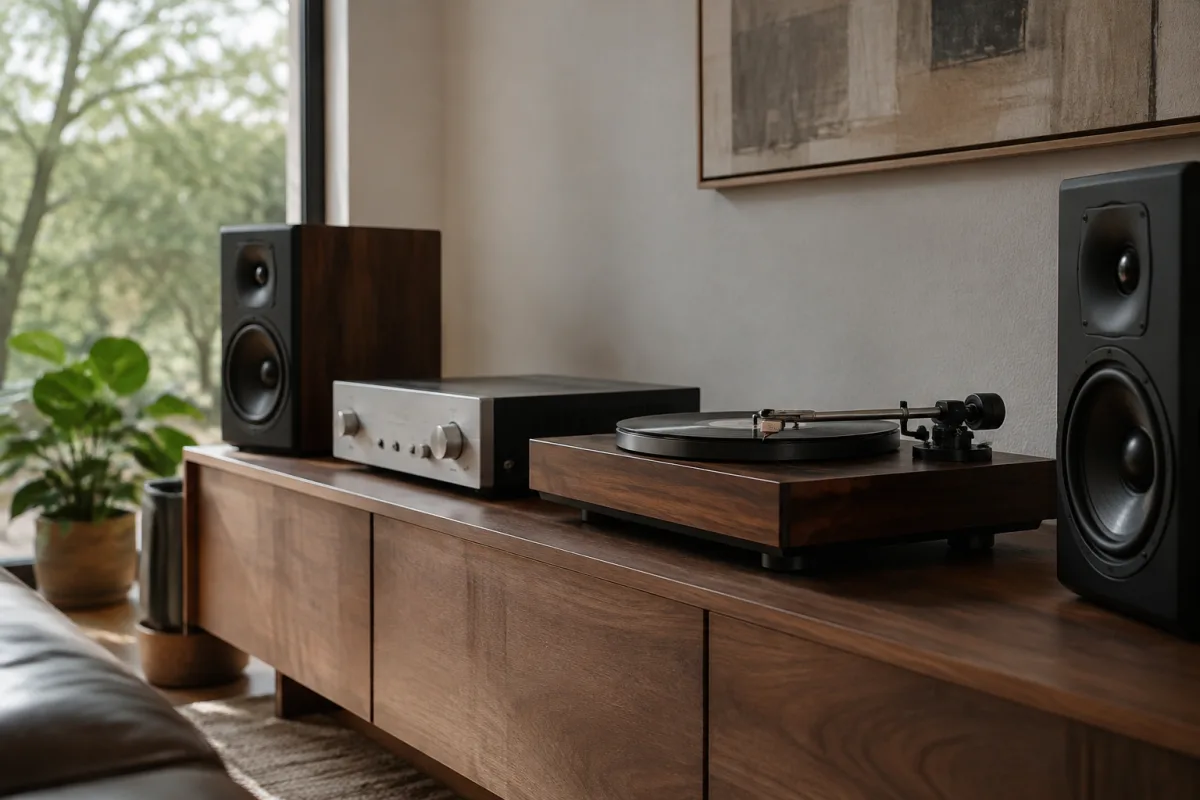
A quality hifi system transforms the way you experience music. Not in a gimmicky, over-hyped way—in a fundamentally real way. Suddenly, you hear details in recordings you've listened to for years but never consciously noticed. You understand why musicians care about sound quality. You rediscover albums you thought you knew. But here's the thing: building a proper hifi system isn't about chasing the most expensive equipment or believing that astronomical spending is required for excellence. It's about understanding what makes sound good, making thoughtful choices, and building synergistically rather than treating each component as a standalone purchase.
What Exactly Is a Hi-Fi System?
A hifi system is an integrated collection of audio components designed to reproduce recorded music with accuracy, detail and musicality. At minimum, you need a source (turntable, CD player, streaming device), an amplifier and speakers. Many hifi systems include additional components: a preamp, a dedicated phono stage, outboard DACs (digital-to-analogue converters), or various cables and isolation accessories. The goal is simple: get the music from its source to your ears with as little distortion and loss of detail as possible.
The key word is "hifi"—high fidelity. Fidelity means faithfulness to the original recording. A hifi system aims to reproduce what was recorded, not to colour the sound or add excessive "sparkle." That commitment to accuracy is what distinguishes hifi from consumer audio, which often chases a particular sonic character regardless of accuracy.
Core Components of a Hi-Fi System
Your source component determines what music you can play. A turntable plays vinyl records, a CD player plays compact discs, and a digital streaming device (your phone, a dedicated music server, or a streaming box connected to a network) plays digital files or streaming services. Many modern hifi enthusiasts use multiple sources—vinyl for albums, streaming for discovering new music, physical media for their favourite recordings.
The amplifier is your system's engine. It takes the tiny signal from your source and amplifies it to a level sufficient to drive your speakers. A quality amplifier preserves the signal without adding distortion or colouration. Class A amplifiers offer exceptional linearity but run hot. Class D amplifiers are efficient and compact. Tube amplifiers have a devoted following for their warm character. Solid-state amplifiers dominate hifi systems for their reliability and precision.
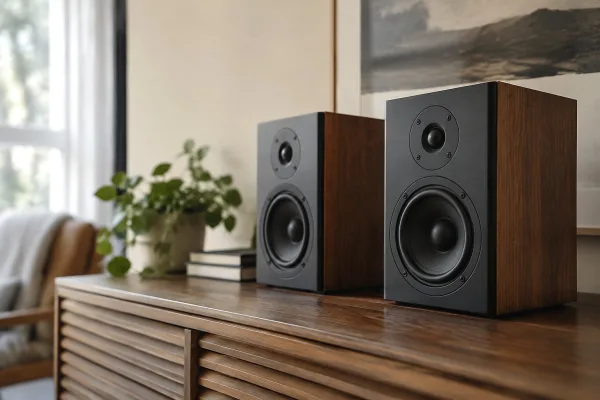
Speakers are where the music reaches your ears. A quality speaker accurately converts electrical signals into sound waves, reproducing the frequency range from deep bass to sparkling highs. Active speakers include built-in amplification; passive speakers require an external amplifier. Standmount speakers sit on stands; floorstanding speakers stand freely. The choice depends on your room, your listening distance and your music preferences.
A preamp acts as your system's control centre, managing volume, switching between sources, and potentially adding character to the signal. Many modern integrated amplifiers include a preamp section, eliminating the need for a separate component. Others prefer dedicated preamps for flexibility and sound quality.
A phono stage amplifies the delicate signal from a turntable to usable levels. Some hifi systems include a phono stage in the preamp; dedicated phono stages offer superior sound quality and flexibility for vinyl enthusiasts.
Understanding Synergy in a Hi-Fi System
Component synergy matters more than raw specifications. A hifi system isn't like a computer where each component performs independently. Sound emerges from how components interact: the amplifier driving the speakers, the preamp colouring the signal, the cables carrying electricity and signal from device to device. A modest amplifier paired with excellent speakers might sound superior to an expensive amplifier paired with inferior speakers.
This is why building a hifi system requires thoughtful consideration. You're not shopping for individual components; you're assembling an ensemble that works cohesively. Many enthusiasts spend months researching, listening to systems, and contemplating choices before committing. That deliberation matters—buying haphazardly usually results in disharmonious systems that disappoint.
Room Acoustics and Hifi System Performance
Your listening room is arguably your most important component. Even a superb hifi system sounds mediocre in a poor room. Reflective rooms cause bass to bloom and bloom excessively, making kick drums thunder unnaturally. Overly dampened rooms sound lifeless and disconnected. The sweet spot—where bass is controlled, midrange is clear, and highs are present without harshness—requires room treatment.
Basic room treatment: add soft furnishings to absorb reflections (curtains, rugs, sofas), position speakers away from walls, and use bass traps in room corners to tame low-frequency room modes. Acoustic panels on first-reflection points (where sound bounces off the wall directly into your ear) eliminate flutter echo and harshness. Serious hifi enthusiasts often spend as much on room treatment as on components.
Building Your First Hi-Fi System
Decide your source first. Are you a vinyl enthusiast or a streaming listener? Will you use multiple sources? Your source choice influences everything downstream. A quality turntable requires a quality preamp and phono stage; a digital streamer might integrate more seamlessly with modern hifi systems.
Choose your amplifier next, but only after you've considered your speakers. You need enough power to drive your chosen speakers adequately—typically 50–100 watts of clean amplification for standmount speakers in a medium room. Buy less power than you think you need, and you'll be frustrated by compressed, strained sound. Buy excessive power, and you're wasting money on headroom you'll never use.
Your speakers deserve careful consideration. This is where you'll ultimately hear all the music, so don't compromise. Audition speakers in your own listening room before buying if possible—a speaker that sounds brilliant in a dealer's showroom might sound completely different at home. Read reviews, attend listening events, and trust your ears above all else.
Budget-conscious builders often apply the "thirds rule": spend roughly equal amounts on amplification, speakers and source. This rough principle prevents you from over-investing in one area at the expense of others. A £2,000 budget might become £700 amplifier, £700 speakers, £600 source, with the remainder spent on cables and accessories.
Cables and Accessories in a Hi-Fi System
Quality cables matter, but not in the way some hifi folklore suggests. Expensive cables won't transform your system if your core components are mediocre. Good cables—reasonably priced but well-designed—reduce noise interference and preserve signal integrity. Very expensive cables rarely sound proportionally better than decent mid-range options.
Isolation accessories—equipment stands, isolation platforms, cable lifters—reduce vibration and noise that degrades sound quality. These tweaks offer genuine benefits, but introduce them last, after your core system sounds excellent.
The Hifi Journey Never Really Ends
Building a hifi system is often a lifelong pursuit. Enthusiasts spend years refining their systems, swapping components, experimenting with room treatment, upgrading cables and accessories. This pursuit isn't obsessive perfectionism—it's genuine passion for sound quality and the joy of hearing music exactly as the artist intended.
Your first hifi system won't be perfect. Neither will your second or third. But that's the beauty of hifi culture: there's always something to improve, discover or refine. You're building an instrument that lets you experience music at a level that transforms casual listening into genuine engagement.
A quality hifi system is an investment in your enjoyment of music—not just for years, but for decades. Built thoughtfully and upgraded gradually, a hifi system becomes a permanent part of your life, delivering richer, more detailed, more emotionally engaging music than you've ever experienced. That's worth pursuing.




Comments