


Fender Pro Junior Amplifier Buying guide
Fender Pro Junior Amplifier: A Complete Buyer's Guide
Complete buying guide for Fender Pro Junior amplifiers: pricing tiers, condition checks, value assessment and negotiation tips.
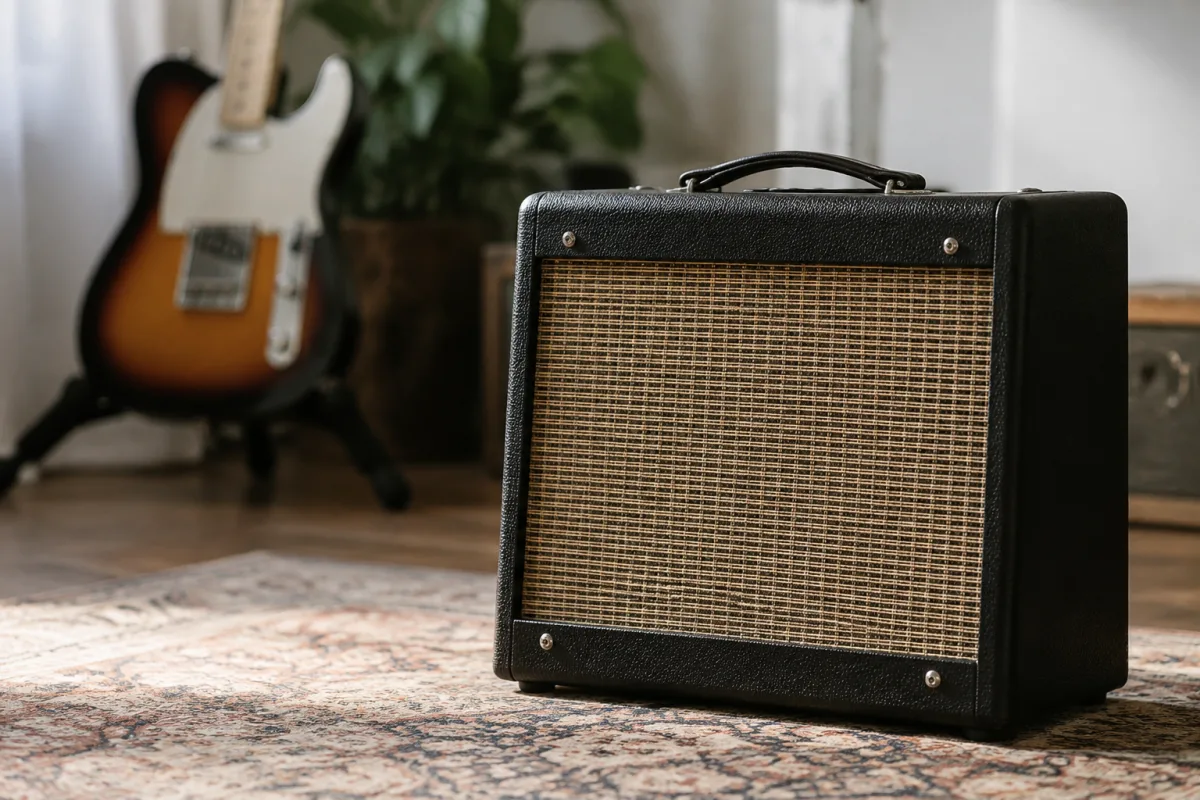
If you're considering a Fender Pro Junior amplifier, you're looking at one of the best compact tube amps available. But buying one requires knowing what you're actually paying for—which specs matter, which don't, and how to spot a good deal versus overpaying for the wrong unit. This guide strips away the marketing and shows you exactly what to check before you commit.
The Fender Pro Junior Amplifier Versions and Pricing Tiers
Fender Pro Junior amplifiers come in three primary configurations, each priced differently:
Standard Fender Pro Junior tube amp (15 watts): £500–£700 new, £300–£500 used. This is the original version—15 watts of Class A tube power, 12-inch speaker, reverb and effects loop. If you're buying used, this is what you'll typically find.
Fender Pro Junior Reverb tube amp (15 watts): £600–£850 new. Adds spring reverb to the standard Fender Pro Junior amp, which genuinely improves tone. Worth the premium over the standard version.
Fender Pro Junior Combo (with speaker): £800–£1000 new, £500–£750 used. Compact combo format. If you prefer all-in-one convenience and hate lugging a separate cabinet, this Fender Pro Junior amplifier combo is the choice.
The used Fender Pro Junior amplifier market is healthy—these amps hold value because they're genuinely useful. Expect to pay 50–65% of the new price for a used Fender Pro Junior amplifier in good condition.
Deciding: Do You Actually Need a Fender Pro Junior Amplifier?
Before buying, be honest about your use case.
Studio recording: A Fender Pro Junior amplifier is brilliant. 15 watts is enough to drive speakers hard without shaking walls. You can mic the cabinet and get professional tone.
Home practice: Overkill. A Fender Pro Junior amplifier at bedroom volumes still has loud tube headroom you don't need. Consider a smaller combo or attenuator.
Small venue gigging: Perfect. A Fender Pro Junior amplifier fills small clubs and paired with a modest PA will carry any room under 300 capacity.
Large venue gigging: You'll need a Fender Pro Junior amplifier plus external cabinet or a larger amp entirely.
Checking the Condition and Tone of a Used Fender Pro Junior Amplifier
Used Fender Pro Junior amplifiers are sold for good reasons—sometimes because the player upgraded, sometimes because the amp developed issues. Here's what to inspect before buying:
Tube condition: Ask the seller when tubes were last replaced. Fender Pro Junior amplifier tubes (usually EL84 power tubes, 12AX7 preamp) last 5–10 years with regular use. If it's been 10+ years and the amp sounds thin or weak, budgeting £150–£200 for a full retube should factor into your offer.
Speaker integrity: Plug in and listen. A blown Fender Pro Junior amplifier speaker creates buzzing, distortion or muffled sound even at low volume. Don't buy a Fender Pro Junior amplifier with a blown speaker unless the price reflects a £300–£400 speaker replacement.
Transformer condition: Hum or buzz that doesn't go away with volume adjustments suggests transformer issues. A new transformer for a Fender Pro Junior amplifier costs £400–£600 installed. This is a dealbreaker for most buyers.
Output issues: Does the Fender Pro Junior amplifier produce sound at all volumes? Intermittent output points to tube or internal wiring problems. Ask the seller to demonstrate the amp working for 10+ minutes at various settings.
New vs Used: Value for Money
A new Fender Pro Junior amplifier costs more but comes with warranty protection (usually 2 years) and is guaranteed working. You also get consistent build quality—no surprises.
A used Fender Pro Junior amplifier saves £200–£400 but requires inspection before purchase. The risk is low if you're careful; many used Fender Pro Junior amplifiers are genuinely excellent and outlast new ones because they were built in an earlier era with stricter QC.
For buying: if you find a well-maintained used Fender Pro Junior amplifier at 55% of new price, it's usually the better deal. Full price used amps are overpriced.
Speaker and Cabinet Considerations
A Fender Pro Junior amplifier head paired with a quality 1×12 cabinet sounds better than the standard combo speaker. If you're buying a Fender Pro Junior amplifier head (no cabinet), budget £300–£600 for a suitable cabinet.
Don't cheap out on the cabinet. A £100 cabinet makes a Fender Pro Junior amplifier sound thin and lifeless. A quality British-voiced 1×12 (like a Marshall, Orange or Celestion-loaded cab) extracts the amp's full character.
Power Output and Real-World Loudness
A Fender Pro Junior amplifier is 15 watts Class A. In practice, this is loud—equivalent to 30–40 watts of Class AB power. You won't need more than a Fender Pro Junior amplifier for any room under 500 people if properly miked.
If you're thinking "15 watts sounds small," remember: tube watts are different from solid-state watts. A Fender Pro Junior amplifier at bedroom volume still has headroom and tone you can't access. Don't buy bigger thinking wattage = automatic improvement.
Common Pitfalls When Buying a Fender Pro Junior Amplifier
Confusing the Fender Pro Junior amplifier with other Fender amps. The Fender Pro Junior amplifier is often confused with the Fender Princeton Reverb (which is smaller) or the Fender Hot Rod Deville (which is much larger). Confirm the exact model before buying.
Underestimating repair costs on a used Fender Pro Junior amplifier. Tube replacement is cheap (£50–£100), but internal repairs can run £200–£400+. Don't assume a Fender Pro Junior amplifier that "needs a retube" is a bargain—factor in the full cost.
Buying a Fender Pro Junior amplifier for the wrong use case. Bedroom practice doesn't need a Fender Pro Junior amplifier. Small recording doesn't need a 2×12 cabinet. Match the amp to the actual job.
Ignoring shipping damage on a used Fender Pro Junior amplifier. Tube amps are fragile. If buying online, insist on insurance and track condition carefully upon arrival. A damaged Fender Pro Junior amplifier transformer can cost £500+ to repair.
Not testing reverb functionality. If buying a Fender Pro Junior Reverb amplifier specifically for reverb, test it thoroughly. Reverb tank issues are expensive and common on older units.
Negotiating the Price of a Fender Pro Junior Amplifier
Used Fender Pro Junior amplifiers price elastically. A clean, played-in unit in good condition should be 55–65% of new price. If it's priced higher, walk. If it's priced at 40–50%, there's likely hidden damage or missing components.
Budget factors that justify negotiation: missing footswitch (£30–£50 to replace), minor cosmetic damage (reduce by 5–10%), tube age (reduce by £100–£200 if original tubes are 5+ years old).
Frequently Asked Questions
Should I buy a new or used Fender Pro Junior amplifier? Used, if you find a clean example at 55–65% of retail. New, if you want warranty peace of mind or can't inspect the used unit thoroughly first.
What's included when buying a Fender Pro Junior amplifier? Usually: the amp head, power cable, footswitch (sometimes). Check the listing. Missing footswitch is typical and costs £30–£50 to replace.
Can I use a Fender Pro Junior amplifier for bass? Technically yes, but not recommended. A Fender Pro Junior amplifier is voiced for guitar and will compress bass frequencies unmusically. Use a proper bass amp.
Are old Fender Pro Junior amplifiers better than newer ones? Older units (pre-2005) often feel more robust and have warmer tone characteristics. Build quality is consistent across decades. Newer ones are fine if maintained.
What's a fair price for a Fender Pro Junior amplifier in 2026? Used: £300–£500. New: £600–£900 depending on spec. Anything above these ranges is marked up.
Do I need additional gear to use a Fender Pro Junior amplifier? For gigging: cables, footswitch (included or £40 used), possibly a cabinet (£300–£600). For bedroom: just a guitar cable and the amp.


Comments