


Boss Amplifier Buying guide
Boss Amplifier: A Complete Buyer's Guide
Choosing a Boss amplifier requires understanding wattage, speaker size, effects quality, and your intended use. This buying guide cuts through marketing to help you make an informed decision.
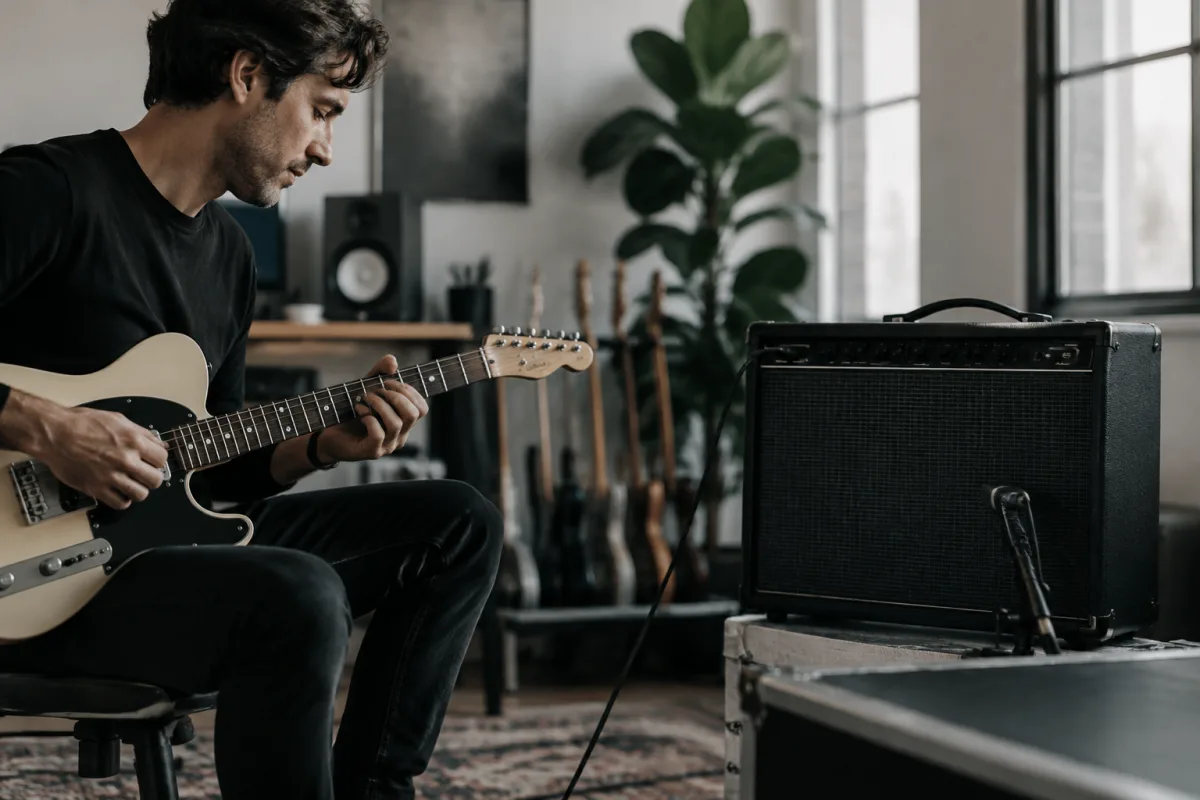
Choosing the right Boss amplifier requires understanding the key specifications and features that matter for your playing style and budget. Whether you're setting up a home studio, performing live, or adding a backup amp to your setup, Boss offers options across multiple price tiers. This guide cuts through the marketing and helps you make an informed buying decision based on wattage, speaker configuration, modelling capabilities, and intended use.
Understanding Wattage and Power Ratings
Boss amplifiers range from compact 5-watt practice amps to professional 100-watt models. The wattage you need depends entirely on your context. A 5 or 10-watt amp suits bedroom playing and small rooms. The jump from 5 to 10 watts doesn't double the volume—it's only about 3dB louder, hardly perceptible. For rehearsal spaces and smaller venues, 20-30 watts suffices. Anything above 50 watts addresses large venue requirements or future-proofing.
Critical mistake: beginners often overbuy wattage, thinking more power equals better tone. High-wattage amps become uncontrollable at low volumes in homes, losing natural breakup and responsiveness. Consider your most common playing environment first.
Speaker Size and Configuration
Boss amps use 8-inch, 10-inch, or 12-inch speakers, each affecting tone and projection differently. An 8-inch speaker is lightweight and portable but lacks bass depth. A 10-inch speaker balances portability with tonal body. A 12-inch speaker delivers fuller bass response and projects further, suited for larger spaces and live performance.
Check whether the amp is combo (speaker built-in) or head/cabinet (separate amplifier and speaker). Combos cost less upfront and require no extra purchases. Heads offer flexibility—you can swap cabinets later—but demand additional investment.
Modelling and Effects Quality
Boss amplifiers distinguish themselves through digital modelling technology. Entry-level models offer basic amp simulations and reverb. Mid-tier amps include comprehensive effects chains, multiple amp models, and expression pedal capabilities. Higher-end models provide hundreds of effects, cab simulations, and even USB audio interface functionality.
Evaluate what effects genuinely matter for your music. Distortion, delay, and reverb are essentials. Chorus, flanger, and phaser appeal to specific genres. USB connectivity is invaluable if you record at home. Avoid paying for features you'll never use.
Price Tiers and Best Value
Budget amplifiers (£200-400) deliver solid practice-grade tone with basic effects. These are genuinely adequate for learning and casual playing, though effects sound synthetic compared to higher-end units.
Mid-range amplifiers (£400-800) represent the best value for most players. They offer genuine amp modelling, multiple effects, decent speakers, and durability. This range suits home recording, rehearsal, and small venue performance.
Professional amplifiers (£800+) justify their cost through superior speaker quality, expanded modelling libraries, expression control, and routing flexibility. These amps remain relevant across career progression.
Genre and Playing Style Considerations
Different Boss amplifier models target specific needs. Clean-focused designs suit funk, soul, and jazz. Versatile platforms work across rock, metal, and blues. Some models emphasise portability for gigging musicians; others prioritise studio recording.
Match the amp's strengths to your genre. A metal-focused amp with high-gain circuitry suits aggressive playing. A clean-biased design serves jazz players better.
Common Buying Mistakes to Avoid
Purchasing based on looks alone leads to dissatisfaction. Judge the amp by its tone and features, not its aesthetic.
Ignoring headphone output capability means you can't practise silently—essential for apartment living. Nearly all modern Boss amps include headphone jacks, but verify this before buying.
Underestimating the importance of feel and responsiveness. Visit a retailer and play through actual models. Tone is partly objective, partly personal. You must enjoy using your amp daily.
Dismissing older used models. Boss amplifiers hold value and remain relevant. Previous-generation models often sell at significant discounts with identical core tone and performance.
Essential Specifications to Check
Before purchasing, verify these specifications:
- Headphone output (essential for silent practice)
- Auxiliary input (for backing tracks or drum machines)
- USB connectivity (for recording)
- Footswitch capability (for live switching)
- Effects quality and quantity
- Speaker impedance compatibility if purchasing a head
- Power consumption and thermal management
New Versus Used Purchase Decisions
Boss amplifiers are robust, and used units from reputable sellers offer exceptional value. Check for physical damage, verify all controls function smoothly, test headphone and input jacks, and request a brief demonstration video before committing to a used purchase.
New amplifiers provide warranty protection and current firmware. If you require peace of mind and immediate support, the new-purchase premium is justified.
Integration with Your Current Setup
Consider how your new Boss amplifier integrates with existing equipment. If you use pedals, ensure the amp has an effects loop or input compatibility. If you own guitars with specific electronics (active pickups require more headroom), select an amp that accommodates this.
Think about cable and connector types. Modern Boss amps use standard ¼-inch jacks and USB-C or USB-B connections. Older models might use different connectors.
Getting the Right Size for Your Space
Apartment dwellers benefit immensely from low-wattage practice amps (5-10 watts) with headphone output. This setup provides flexibility: play through headphones silently, or use the amp's speaker when appropriate. Small venues and rehearsal spaces typically benefit from 20-30-watt amplifiers. Larger venues demand 50-watt minimum.
Your Boss amplifier should feel appropriately sized—neither overextended nor vastly underutilised in your primary playing environment.
Making Your Final Decision
Boss amplifiers compete effectively across price points. After narrowing your choice to 2-3 models within your budget, compare tone through actual playing sessions, not YouTube videos. Purchase from retailers offering trial periods or robust return policies. Read current owner reviews focused on long-term reliability rather than initial impressions.
For additional context on Boss amplifier models and features, explore the complete guide to Boss amplifiers, which covers the full product range and technical specifications.
Your ideal Boss amplifier exists within your budget and use case. Prioritise actual playing time over specifications alone. The right choice feels natural, sounds inspiring, and remains reliable through years of use.


Comments