


Amplifier Modeler article
Amplifier Modeler for Beginners: A Complete Guide
Complete beginner's guide to amplifier modeler technology, covering how it works, benefits for new players, getting started, addressing concerns, and exploring tone.
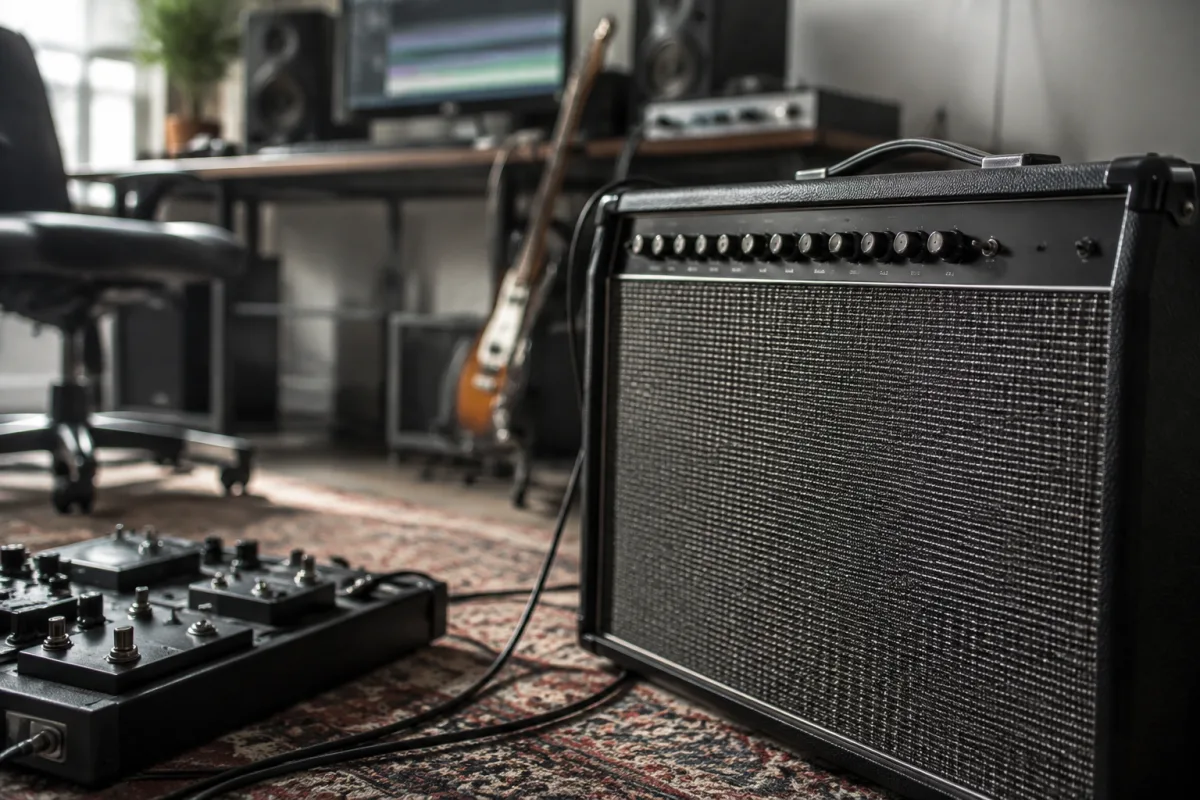
Beginning guitarists often face a choice: invest in expensive physical amplifiers or explore modern solutions. An amplifier modeler offers an appealing alternative, providing access to legendary amp tones through digital emulation. This beginner's guide demystifies amplifier modeler technology, explaining how it works, why beginners benefit from it, how to get started, and addressing common concerns about digital tone.
What Is an Amplifier Modeler and How Does It Work?
An amplifier modeler uses digital technology to emulate how physical amplifiers respond to guitar input. Professional engineers capture the tonal characteristics of expensive vintage amplifiers, converting them into mathematical algorithms. When you use an amplifier modeler, these algorithms process your guitar signal, creating tones virtually identical to the amplifiers they're modelling.
Think of it like this: amplifiers color guitar tone through specific circuits and speaker combinations. An amplifier modeler recreates those colorations digitally. The result is remarkably convincing—often indistinguishable from actual amplifiers to human ears.
These systems typically include cabinet models as well. Just as physical amplifiers use specific speaker enclosures, an amplifier modeler includes digital models of famous speaker cabinets. This combination of amp and cabinet modelling produces remarkably authentic tones.
Why Beginners Benefit from Amplifier Modeler Technology
Physical amplifiers cost hundreds to thousands of pounds, create significant noise (problematic in apartments), and require substantial space. An amplifier modeler solves these problems immediately. You access legendary amp tones through headphones or monitors without disturbing neighbours, at a fraction of amplifier cost.
Variety is another enormous advantage. Instead of owning one amplifier, an amplifier modeler gives you access to dozens. Experimenting with different tones builds your ear and helps you develop your sonic preferences. As a beginner, this exploration is invaluable—you'll discover what tones genuinely excite you.
Reliability distinguishes amplifier modelers from physical amps. They never break, never need tube replacement, and never require professional servicing. This stability lets beginners focus on playing rather than worrying about equipment reliability.
Getting Started with Amplifier Modeler Technology
Entry-level amplifier modeler options include hardware units (devices connecting to your guitar) and software versions (programs running on computers or tablets). Both work excellently; your choice depends on workflow preference.
Hardware amplifier modeler units connect directly to your guitar, offering standalone operation. Software versions integrate with digital audio workstations (music production software), offering more extensive control and effects options. Beginners typically find hardware more straightforward, while those already involved in recording prefer software.
Start by exploring the presets—these pre-configured settings showcase what your amplifier modeler offers. Play through different presets, listening carefully to how they colour your tone. This exploration builds understanding of how amplifiers affect your sound.
Then dive deeper into editing. Most amplifier modeler interfaces let you adjust amplifier gain, volume, cabinet selection, and effects processing. Start with subtle adjustments, listening carefully to how each parameter affects your tone. This experimental approach builds intuition about amplifier operation.
Common Beginner Concerns Addressed
"Does digital tone sound real?" Yes. Modern amplifier modelers sound remarkably close to physical amplifiers. Your ear may perceive subtle differences in direct comparison, but through headphones or monitors, the difference becomes negligible. Professional recordings are increasingly using amplifier modelers exclusively.
"Can I use an amplifier modeler for live performance?" Absolutely. Many touring musicians rely on amplifier modelers exclusively, sending their signal to the venue's sound system. Some use them alongside traditional amplifiers for sonic flexibility. Both approaches work professionally.
"Will an amplifier modeler teach me bad technique?" No. Your actual playing technique—hand position, dynamics control, rhythm—develops through practice regardless of whether you're using an amplifier modeler or physical amplifier. The tone source doesn't affect technique development.
"How much time does it take to learn an amplifier modeler?" Good news: minimal. Most beginners start producing usable tones immediately with presets. Learning to edit and customize tones typically takes a few practice sessions. The learning curve is remarkably gentle.
Exploring Tone and Developing Your Ear
Use your amplifier modeler to explore different genres' tonal characteristics. Clean jazz tones sound entirely different from metal distortion. Bluesy overdrive differs from acoustic amp emulation. Experimenting across these sonic worlds trains your ear and expands your musical understanding.
Record yourself playing through different amplifier modeler settings. Listen back and notice how different tones affect your perception of your playing. This feedback loop accelerates learning and helps you develop tonal preferences.
Connect with other guitarists exploring amplifier modeler technology. Online communities dedicated to specific systems offer preset sharing, technique tips, and moral support. Learning alongside others accelerates your development and keeps you motivated.
Transitioning to Physical Amplifiers (If Desired)
Starting with an amplifier modeler doesn't lock you into digital solutions forever. Many successful guitarists began with modellers, then added physical amplifiers as their playing matured. An amplifier modeler provides an excellent foundation without requiring massive initial investment.
The knowledge you develop exploring amplifier tones through modelling translates perfectly to physical amplifiers. You'll understand gain structures, cabinet interactions, and effect placement better than someone starting with expensive physical gear.
Your Amplifier Modeler Journey
An amplifier modeler removes traditional barriers to accessing quality guitar tones. You get legendary amplifier sounds without cost, space, or noise concerns. Begin by exploring presets, then gradually experiment with editing. Don't obsess over perfect settings—play music and let tone evolve naturally as your ear develops.
Embrace the freedom an amplifier modeler offers. Experiment wildly. Try tones you'd never afford physically. Discover what genuinely excites you sonically. This exploration builds musicality and confidence far more than rigid pursuit of "correct" tones. For comprehensive information about amplifier modeler options, capabilities, and how different systems compare, refer to our complete guide exploring amplifier modeler technology in depth.


Comments