


Amplifier Modeler Buying guide
Amplifier Modeler: A Complete Buyer's Guide
Thousands of amp sounds in one device. Amplifier modelers transform how musicians work—but buying the right one requires understanding what matters for your playing.
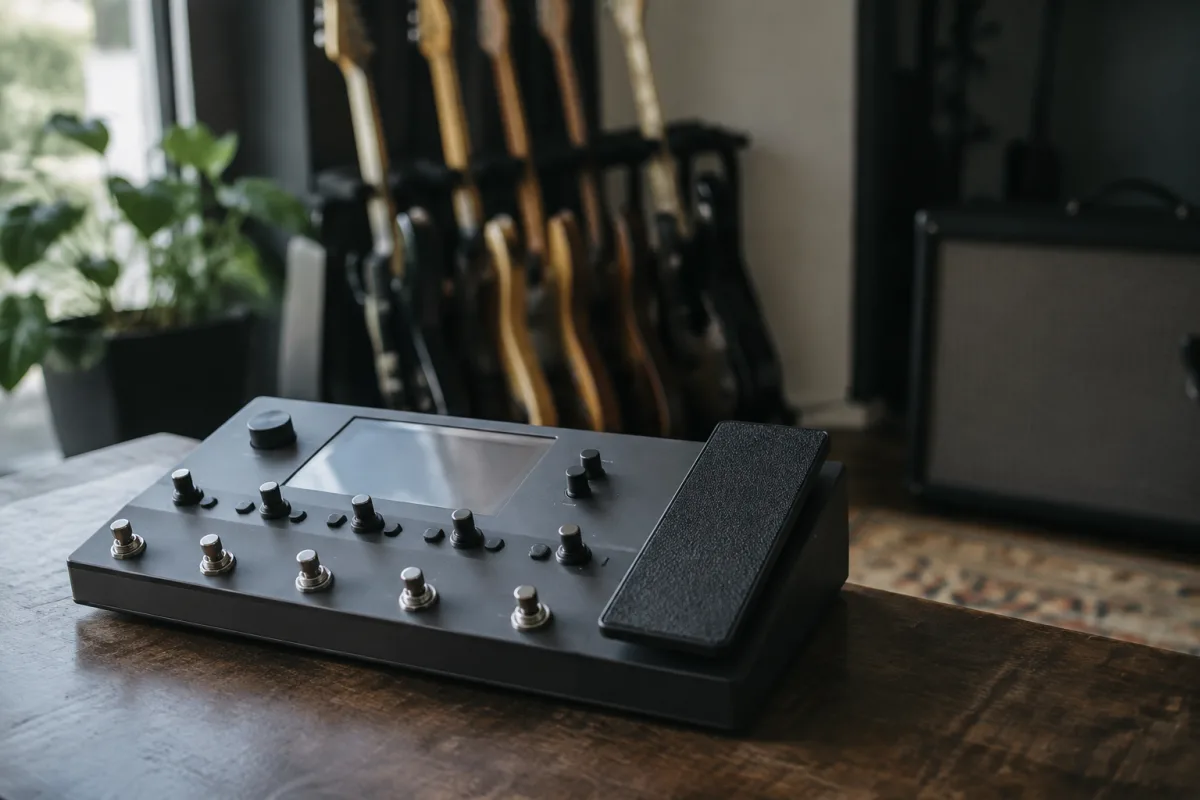
Buying an Amplifier Modeler: Digital Amp Simulation Buyer's Guide
Amplifier modelers have transformed how musicians work with guitar tone. Instead of owning ten amplifiers, you own one device that models them all. Before you buy, you need to understand what an amplifier modeler actually does, who benefits most, and what pitfalls await unprepared buyers. This guide covers the essentials.
What Is an Amplifier Modeler?
An amplifier modeler uses digital processing to replicate the sound of real amplifiers. It captures not just the amp's character but the interaction between amplifier, speaker cabinet, microphone placement, and room acoustics. Plug your guitar in, select an amp model (Marshall Stack, Fender Twin Reverb, Mesa Boogie, etc.), and you hear that amp's sound through your headphones or monitors.
Modelers range from software (computer plugins like Neural DSP or Kemper software) to hardware (standalone units like the Kemper Profiler, Line 6 Helix, or Boss GT-1). Each approach has merits; each suits different workflows.
Why this matters: Traditional amplifiers are loud, heavy, and expensive. A boutique tube amp can cost £2,000+. A modeler delivers thousands of tonal possibilities in a box the size of a pedalboard. That's the entire appeal.
Types of Modelers and Their Strengths
Software plugins. Run on your computer. Affordable (£50–300), vast library of amp models, easy to integrate with recording. Downsides: require a computer, add latency (delay), need audio interface and monitoring setup.
Pedalboard units. Compact floor units (Boss GT-1, Zoom G1X, Line 6 Pod Go). Portability, reasonable pricing (£300–600), straightforward setup. Limitations: smaller screen, fewer simultaneous effects, less processing power than larger units.
Rack and flagship units. Kemper Profiler, Line 6 Helix, Axe-Fx. Professional-grade processing, vast tonal possibilities, excellent for studio and touring. Cost: £1,500–3,000. Complexity: steep learning curve.
Key Specs and What They Mean
Amp library size. How many different amplifier models the unit includes. More isn't always better—quality trumps quantity. 50 excellent amp models beats 200 mediocre ones. Check reviews for the amps you actually care about.
Cabinet modelling. The amplifier sound is only half the equation; speaker cabinets shape tone dramatically. Quality modelers include impulse responses (IR) from real cabinets. Confirm this before buying.
Effects count and simultaneity. How many effects the unit can run at once. Entry-level modelers might do 4–6 effects; flagship units handle 12–16. Decide based on your playing style; most players use 4–6 effects maximum.
Connectivity. USB (to computer), MIDI (to control other gear), XLR or 1/4" outputs (to amplifiers or monitors). Confirm your intended setup matches the modeler's I/O options.
Latency (delay). Between playing and hearing sound. Sub-5ms is imperceptible; 10ms+ becomes frustrating. This matters for monitoring through headphones or PA systems. Professional modelers manage latency better than budget options.
What to Check When Buying
For software, testing is straightforward—download a trial, test on your system. For hardware:
- All buttons and knobs. Press every button and turn every knob. Crackling or sticking indicates age or heavy use. Not necessarily broken, but factor repair into your price offer.
- Display.** Check for dead pixels, fading, or discolouration. Screen failures are expensive to repair (£200+).
- Audio I/O. Plug in a guitar and headphones. Play through various amp models and effects. Listen for crackling, distortion, or dropout. No noise should be perfectly clean.
- USB/MIDI connectivity.** If included, test these connections. Connect to a computer and confirm data flows without errors.
- Physical condition.** Check for dents, cracked knobs, or damaged input jacks. Cosmetic wear is fine; structural damage affects reliability.
- Firmware version.** Older firmware sometimes lacks features or amp models. Confirm the unit can be updated to the latest version and that updates are available.
Common Pitfalls for Buyers
Modeler buyers regularly stumble:
- Assuming any modeler sounds like an amplifier. Entry-level models sound digital and processed. Flagship units sound frighteningly close to real amps. If budget is tight, try before buying.
- Underestimating the learning curve.** Modelers are powerful but complex. Expect weeks to dial in your sound. If you want immediate results, compromise here.
- Ignoring your actual use case.** Home studio? Software is perfect. Touring musician? A pedalboard unit offers portability. Recording engineer? A flagship unit pays for itself in efficiency. Match the modeler to your reality, not your fantasy.
- Forgetting about monitoring.** A modeler plugged into tiny computer speakers sounds terrible. Budget for studio monitors (£200–400) or quality headphones (£100–200). The monitoring solution matters as much as the modeler.
- Buying secondhand without understanding the firmware.** Used modelers might run old firmware with limited amp models. Test whether the seller can update to current firmware. Sometimes upgrades require payment; factor this in.
- Expecting it to replace your real amplifier entirely.** Many professional players keep a real amp for reference and high-volume performing. Modelers excel at other tasks; they're not the one tool to rule them all.
Price Tiers and Value
Software (£50–200): Excellent value if you already have a computer and audio interface. Great for home recording and learning.
Entry pedalboard (£300–500): Portable, affordable, adequate for most players. Smaller screen and fewer simultaneous effects than larger units.
Mid-range unit (£600–1,200): Better processing power, more effects, larger screen. Sweet spot for gigging musicians and serious home players.
Flagship (£1,500–3,000+): Professional-grade sound quality and features. Investment justified for touring musicians and studio professionals.
Secondhand: Usually £40–60% less than new. Older models still sound excellent; firmware updates bring them current. Good value if the unit functions.
The Buying Decision
An amplifier modeler solves real problems: weight, noise, tonal variety, and cost. But it's not magic. Your playing matters infinitely more than your equipment. Buy a modeler to expand your sonic palette and simplify your rig, not to compensate for mediocre technique. And match the modeler to your actual needs—don't overspend on flagship features you won't use. The best modeler is the one you'll actually play through, not admire in a box.



Comments