


Amplifier and Mixer article
Amplifier And Mixer for Beginners: A Complete Guide
New to amplifiers and mixers? This guide explains what they do, when you actually need each one, and how to set up your first audio system without confusion.
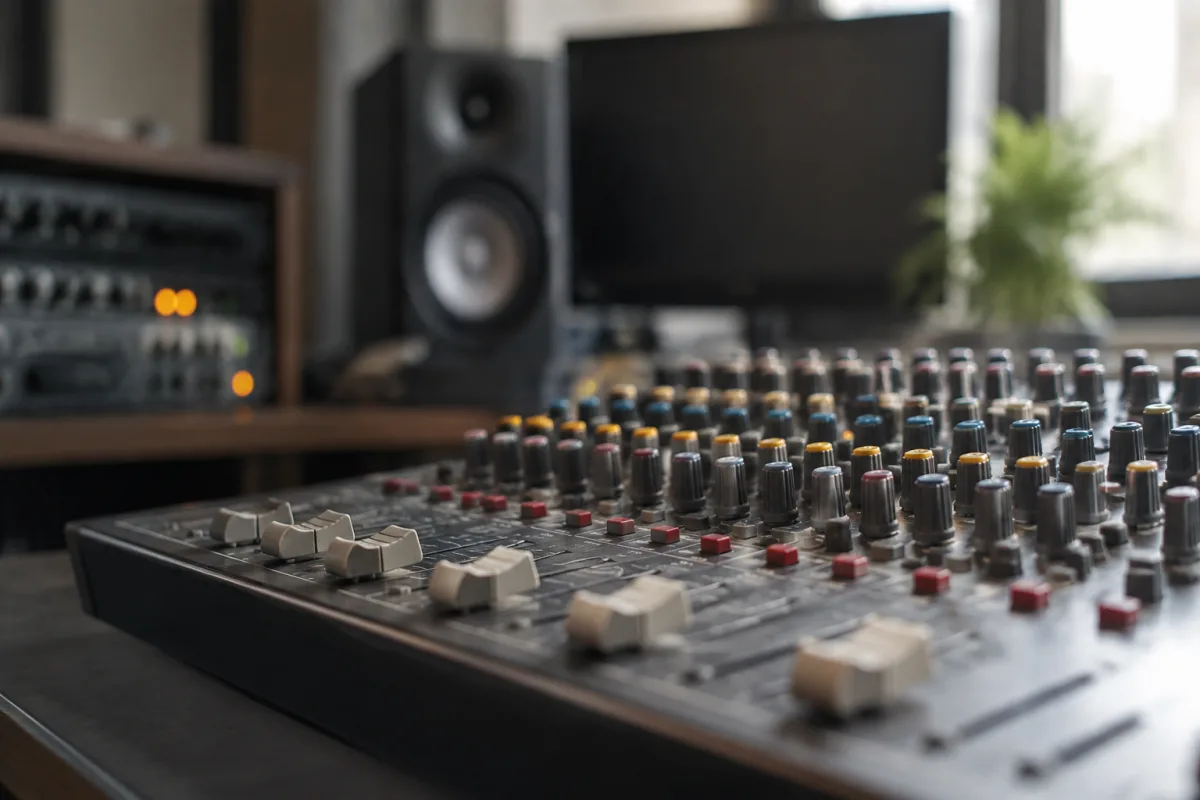
Your First Steps With Amplifier and Mixer
If you're new to recording, live sound, or home audio and you're confused about amplifier and mixer gear—what you actually need, how they work together, why you might need either or both—you've come to the right place. The terminology can feel intimidating, but the core concepts are straightforward. I'm going to walk you through what these devices actually do, when you need each one, and how to choose without wasting money on things you don't need yet.
What's an Amplifier, Really?
An amplifier is simply a device that makes sound louder. You plug a source into it—a guitar, microphone, phone, or any audio device—and it boosts that signal and sends it to speakers. That's it. There's no magic. It takes a weak signal and turns it into a powerful one. If you want to hear your music at any volume other than "too quiet," you need an amplifier.
The power rating (measured in watts) tells you roughly how loud an amplifier can get. A 10-watt amplifier is fine for a bedroom. A 50-watt amplifier is suitable for small rooms and rehearsal spaces. A 100-watt or bigger amplifier is for venues and outdoor spaces. Think of watts as potential loudness—higher wattage means the amplifier can play louder without distorting.
Most amplifiers include a preamp section, which does initial shaping and tone-colouring, and a power amp section, which just makes it loud. As a beginner, you don't need to care about this distinction. Just know that an amplifier's job is to take your source signal and make it louder.
What's a Mixer, and Why Would You Want One?
A mixer is a device that combines multiple audio sources into one output. You plug several inputs into it—a microphone, a phone playing backing tracks, another microphone, a guitar—and the mixer lets you control each one individually. You can make the vocal louder, turn down the backing track, adjust the guitar. Then you send the mixed output to amplifier and speakers.
Think of a mixer as a traffic controller for audio. Without a mixer, you've got one input and one output. With a mixer, you've got many inputs that you can control independently before sending them anywhere. This is useful if you're performing with multiple sources, recording multiple instruments, or running a sound system with many contributors.
A basic mixer might have two to four input channels. A more complex one has eight, twelve, or more channels. Bigger is not automatically better—most beginners never need more than four channels. As with amplifier gear, start small and add complexity only when you actually need it.
Do You Actually Need a Mixer?
Most beginners don't. If you're playing a guitar and singing, you need a microphone and an amplifier, but no mixer. If you're recording one instrument into a computer, you don't need a mixer. A mixer becomes useful when you have multiple audio sources and you want to control them separately in real time.
Perform with a band? You might need a mixer. Record multiple instruments simultaneously? Probably. Play a DJ set with multiple decks? Definitely. Practice alone with your guitar or bass? No mixer needed. Be honest about what you actually do, then decide.
Amplifier and Mixer: When You Need Both
The most common setup for beginners involves an amplifier and mixer working together. A typical workflow: multiple input sources (mics, instruments) go into a mixer. The mixer's output then goes into an amplifier. The amplifier sends the signal to speakers that everyone can hear.
This setup is clean and scalable. If you need to add another microphone, you just plug it into the mixer. You don't have to rewire your amplifier or speakers. The mixer controls the levels and balance; the amplifier just handles volume.
Price Expectations and Getting Started
A basic amplifier suitable for practice starts around £50-£100. For live or recording use, you might spend £150-£400. Premium studio-grade amplifier equipment costs more, but beginners don't need it. A solid mid-range amplifier serves most people well for years.
Mixers start at even lower prices—small USB mixers for recording are available for £30-£50. Standalone mixers with more features run £100-£300. Again, the expensive stuff is for specialists. Start with something basic and well-reviewed.
A realistic budget for getting started with amplifier and mixer: £100-£300 total. Amplifier (£80-£150), a basic mixer (£50-£120), microphone cable (£5-£10), and speaker cables (£10-£20). You can start smaller and expand as you understand what you actually need.
Choosing an Amplifier
Think about where you'll use your amplifier. Bedroom practice is different from rehearsal space, which is different from small venue performance. A 10-20 watt amplifier is quiet enough for neighbours yet loud enough for solo practice. A 50-100 watt amplifier handles rehearsal and smaller gigs. Bigger venues need more power.
Features to consider: Does it have the inputs you need (microphone, instrument, line level)? Does it have tone controls or EQ that let you shape the sound? Is it portable if you need to move it? Does it have built-in effects if that matters to you?
Brands like Behringer, Yamaha, and Roland make affordable, reliable amplifiers. Avoid the very cheapest no-name options—spend at least £50-£80 to get something that actually works well and lasts.
Choosing a Mixer
If you need a mixer, ask yourself: how many inputs do I actually need? Four channels is typically enough to start. Two channels means you're limited to two sources at once. Six or eight channels is more than most beginners ever use.
USB compatibility matters if you want to record into a computer. Some mixers connect directly; others require additional equipment. Read the specs—if you plan to record, make sure your mixer either has USB built in or can be easily adapted to your computer.
Look for a mixer with a headphone output, which lets you monitor what you're recording or mixing without sending that signal to the main output. This is genuinely useful if you're performing or recording.
Common Beginner Mistakes
Don't buy a huge amplifier thinking you'll grow into it. A 300-watt amplifier for bedroom practice is overkill, costs more than you need to spend, and is heavy to move. Buy for your actual situation, not an imagined future need. Upgrading to bigger equipment later is fine—starting too big just wastes money.
Don't buy a mixer if you don't need one. If you have one audio source and one output, a mixer adds complexity for no benefit. Wait until you have multiple sources to manage.
Don't ignore cable quality. A cheap microphone cable that picks up interference makes everything sound bad. Spend a bit more on proper shielded cables—the investment is small and the difference is real.
Setting Up Your First System
Start simple: source device → amplifier → speakers. Plug your microphone or instrument into the amplifier's input. Turn the volume up gradually until it's loud enough. Done. If you later need to add multiple sources, get a mixer and insert it between your sources and the amplifier.
Read the manual. Different amplifier and mixer models have different controls and settings. Ten minutes learning where the gain knob is and how the EQ works is time well spent.
Growth Path
Most people start with just an amplifier. They play one source and control volume on the amplifier itself. As they do more complex things—perform with multiple inputs, record several instruments—they add a mixer. Then they might add effects processors or better speakers. This gradual growth is healthy and economical. You learn each piece as you add it.
For a deeper dive into amplifier and mixer design, features, and how professionals use them, see our complete guide which covers signal flow, technical specifications, and advanced setups.


Comments